Ninety-six medals for the people who show up
On the eve of National Day, the Cour d'Honneur of the Prince's Palace hosted the least glamorous and most load-bearing of the week's ceremonies: medals for Red Cross workers, blood donors and volunteers, the people Monaco's associations run on.
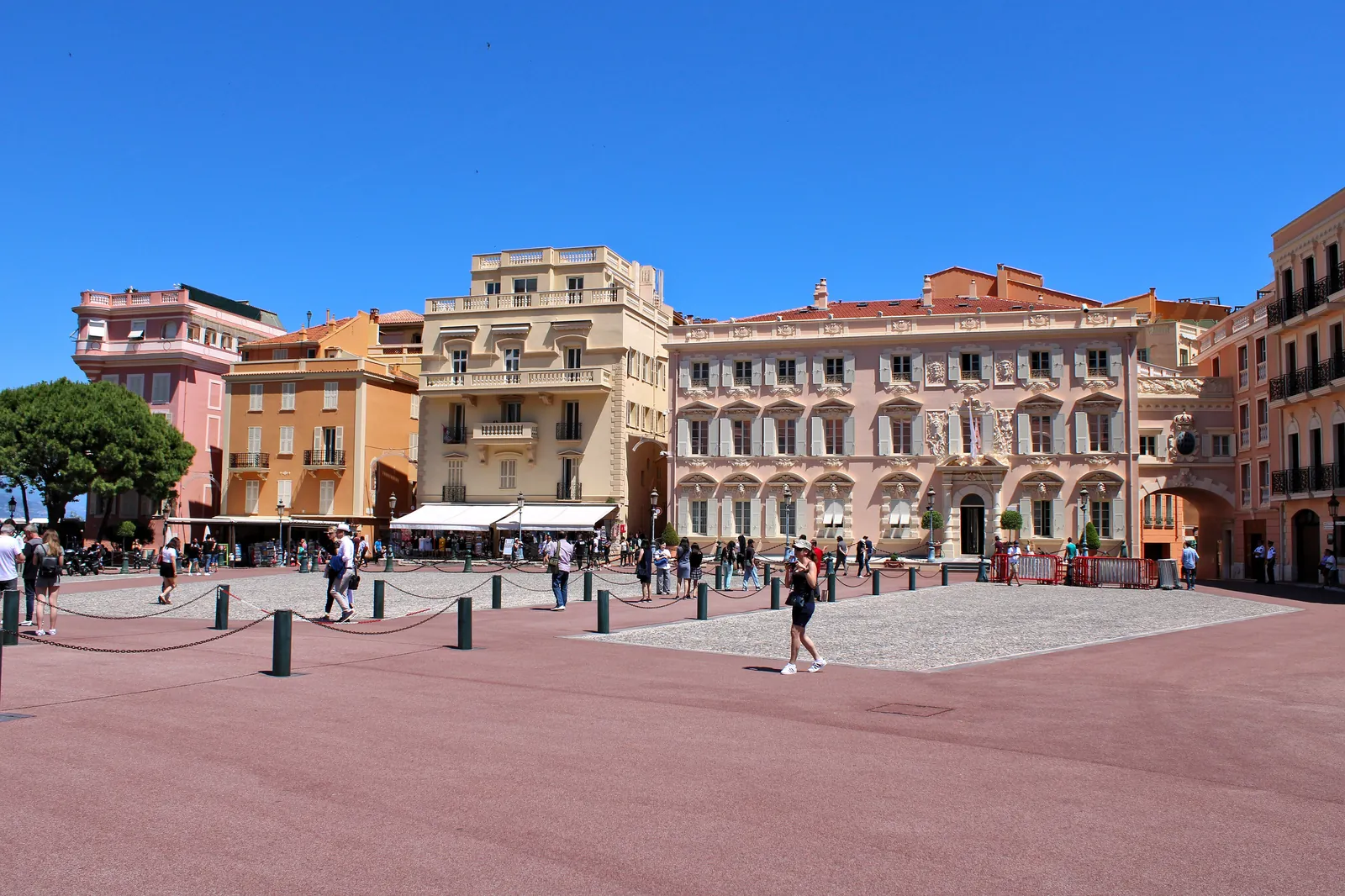
National Day week distributes its honours in a deliberate order, and Wednesday belonged to the helpers. A day before the Fête Nationale itself, inside the Prince's Palace in its Cour d'Honneur, Prince Albert II presented medals to 96 people, with Princess Charlene and Camille Gottlieb present. The two reports of the ceremony, published on Thursday by Riviera Radio and Monaco Life, agree on the setting, the total and the shape of the afternoon: an annual ceremony, one of the series of presentations that runs through the week, given over entirely to volunteering, blood donation and humanitarian work.
The 96 divide into three groups, and the proportions are the story. Forty recipients received the Medal of Recognition of the Monaco Red Cross, the largest single group, for sustained work in the organisation's missions and its daily support of vulnerable residents. Thirty-four were voluntary blood donors, honoured with the national blood merit medal. Twenty-two received the Volunteer Medal of Honour. The government's own honours guidance sets the terms of that last award: it is a bronze medal for people who work for the public good inside an association or a foundation, who are not servants of the state, and it asks for at least ten years of such service before a name can be put forward. The distinctions, the guidance notes, are awarded every year in November, as part of the Fête Nationale, which is why this ceremony sits where it does in the calendar, between the week's grander orders and the day itself.
In his address, as both reports render it, the Prince described volunteers as indispensable partners of the public services rather than auxiliaries to them, working alongside those services across the principality's sporting, cultural and charitable life and in the direct, unrecorded work of helping people in difficulty. He treated that partnership, the volunteers and the services each in their place, as a structural strength of the Monegasque model, thanked the 96, and held their example up to the room as one he hoped others would follow. It is the standard language of such occasions, but in Monaco it has an unusual amount of fact behind it. The Red Cross chapter, the blood service and the associations are not supplements to a larger machine. At this scale, they are a significant part of the machine.
Wednesday's ceremony was, in effect, the week's accounting of unpaid work. The orders and the military honours that follow on National Day itself recognise service to the state. These two ceremonies recognise something the state cannot conscript: time given away, over years, by people whose names are read out once a year in a courtyard. Ninety-six names is a long list for a country of this size, and that is precisely the point the ceremony exists to make.
None to date. The Chronicle corrects errors promptly and transparently. Read our corrections policy.