Six months at Europe's table, counted out loud
Monaco's foreign minister and its ambassador to the Council of Europe gave the closing account of the Principality's first presidency on Monday: more than fifty events, a child-protection resolution in sport, two signed protocols, and a visit to Kyiv.
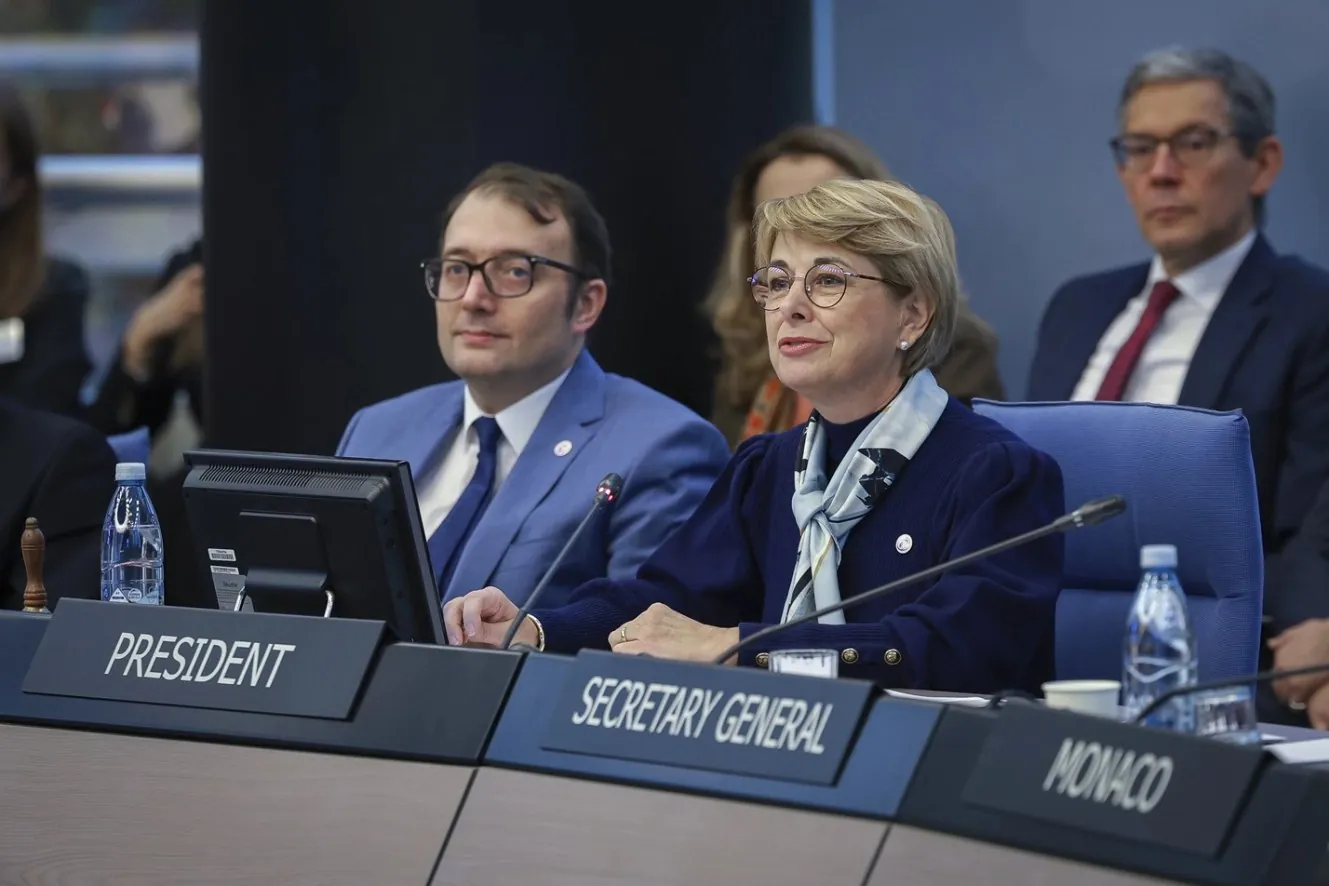
A presidency of the Council of Europe's Committee of Ministers is a six-month tenancy, and on Monday Monaco gave the closing account of its first one. Isabelle Berro-Amadeï, the Minister of Foreign Affairs and Cooperation, and Gabriel Revel, the Principality's permanent representative to the Council, held a press conference in Monaco to review a term that ran from 15 May to 10 November, when the presidency passed to Montenegro in Strasbourg. The minister's verdict on the term, as reported from the conference, was that it had been a real success; the interest of the afternoon was in the evidence offered for it.
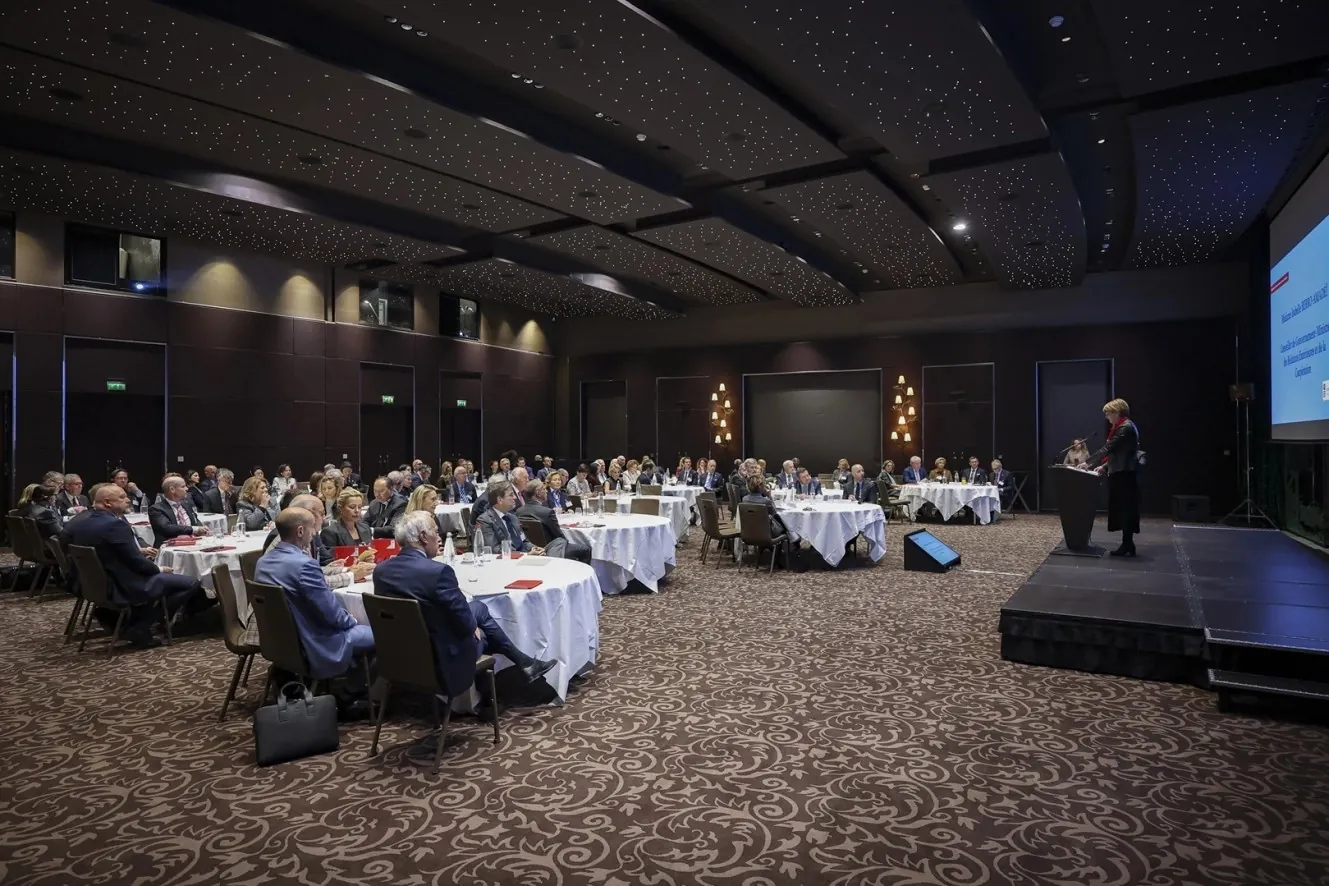
The count came first. More than fifty political, institutional and cultural events were held during the term, most of them in Monaco and Strasbourg, under a stated vision of protecting everyone through an effective organisation. The Government's own handover release lists the set pieces: justice ministers meeting informally on the fight against financial crime, the Ministers' Deputies gathering in Monaco to take up environmental questions, and, in the term's final days, the sport ministers' conference, the nineteenth of its kind, given over to keeping children and young athletes safe.
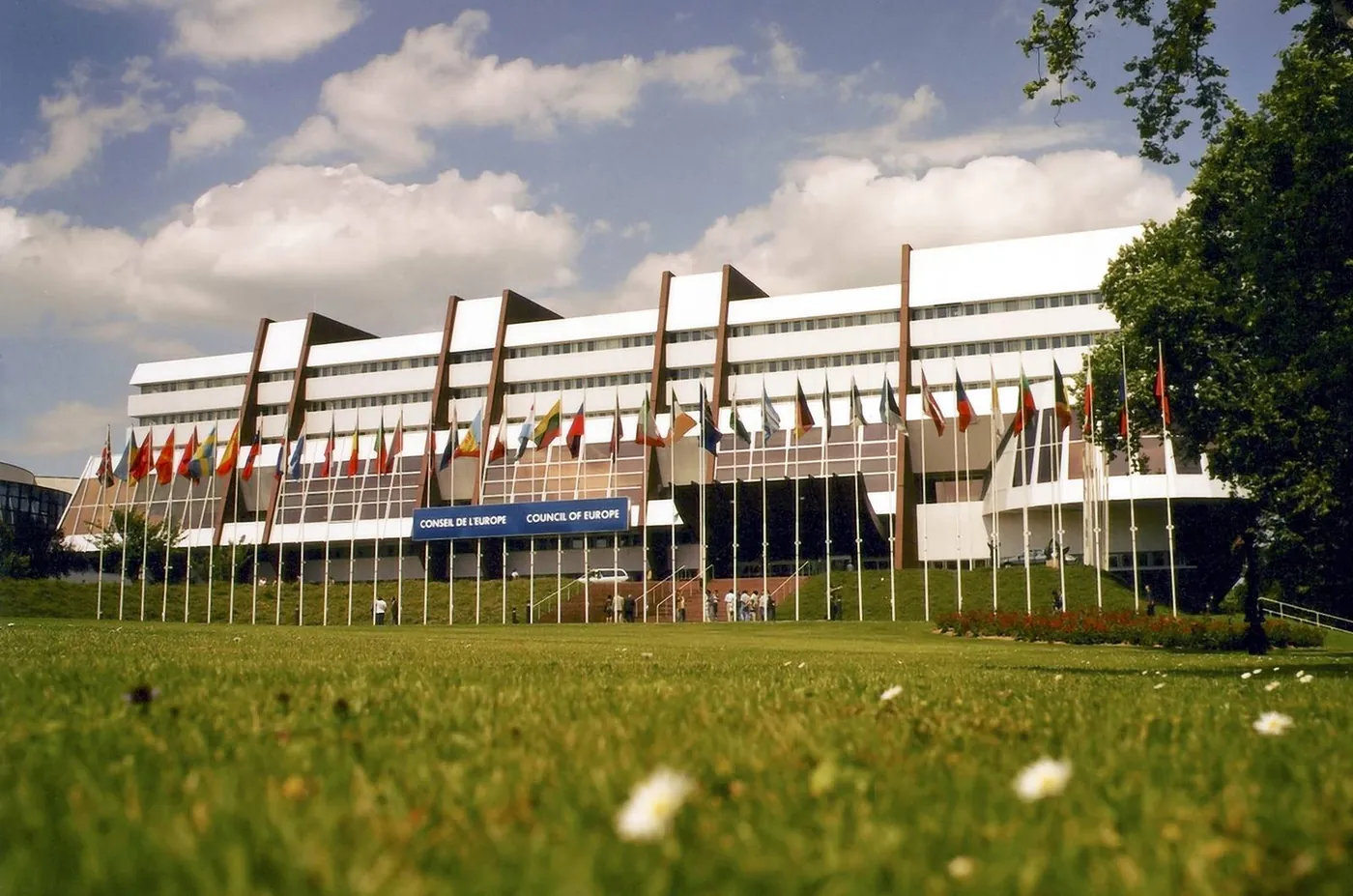
The sport conference, held in Monaco on 3 and 4 November, drew nearly 300 participants and was addressed by Prince Albert II and Princess Charlène. It adopted a resolution asking for tougher work to stop violence and abuse in sport before they happen, a better answer when cases do surface, and public authorities and sports bodies working more closely together. Alongside it, Monaco signed two Council of Europe protocols, on terrorism prevention and on cooperation against money laundering and terrorist financing, and the Macolin Convention on the manipulation of sports competitions: legal instruments, rather than declarations, and the part of the record most likely to outlast the term itself.
Ukraine ran through the account as it ran through the term. The Government's release records the Committee's unwavering support for Ukraine through the justice and redress mechanisms developed under the Council's auspices, and the Council's own handover account records the joint statement by the outgoing and incoming presidencies reaffirming support for Ukraine's independence, sovereignty and territorial integrity, with a new action plan for 2027 to 2030 expected. Berro-Amadeï's own visit to Kyiv on 15 September, reported at the press conference, was the term's most concrete gesture: a foreign minister of a state of two square kilometres travelling to a capital at war to say the support was not rhetorical.
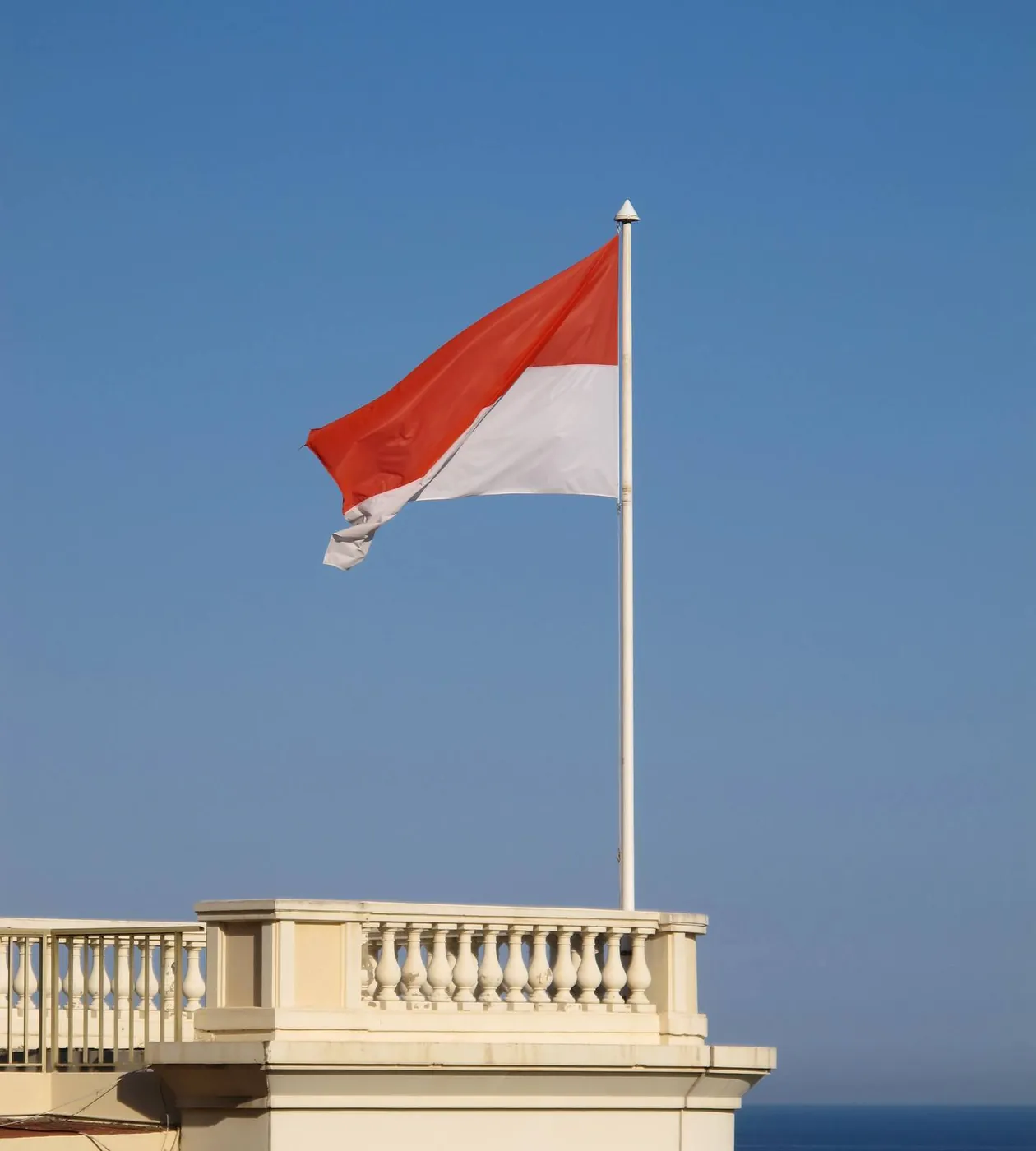
The closing argument, made by both speakers in different forms, was about size. The Council of Europe's own record of the handover carries the Secretary General, Alain Berset, paying tribute to Monaco for its commitment, its innovation and its achievements, and the outgoing president's closing words: that every member state, however large or small, has a key role to play. Monaco joined the organisation in 2004 and waited twenty-two years for its first presidency. Monday's account was, in the end, an argument that the wait had been used well, and that the smallest state at the table had left the table in better order than it found it. Montenegro now holds the presidency until May; Monaco's representatives said the commitment continues without the chair, in new joint projects with the organisation. The claim will be testable, which is what distinguishes an account from a celebration.
None to date. The Chronicle corrects errors promptly and transparently. Read our corrections policy.