Eighty-eight countries, one small room
Monaco's honorary consuls came home in National Day week and were briefed on the year abroad, the state of the economy, the exit from the grey list and the new hospital. The Government's account of the traditional consular meeting is a map of how so small a state staffs a worldwide network.
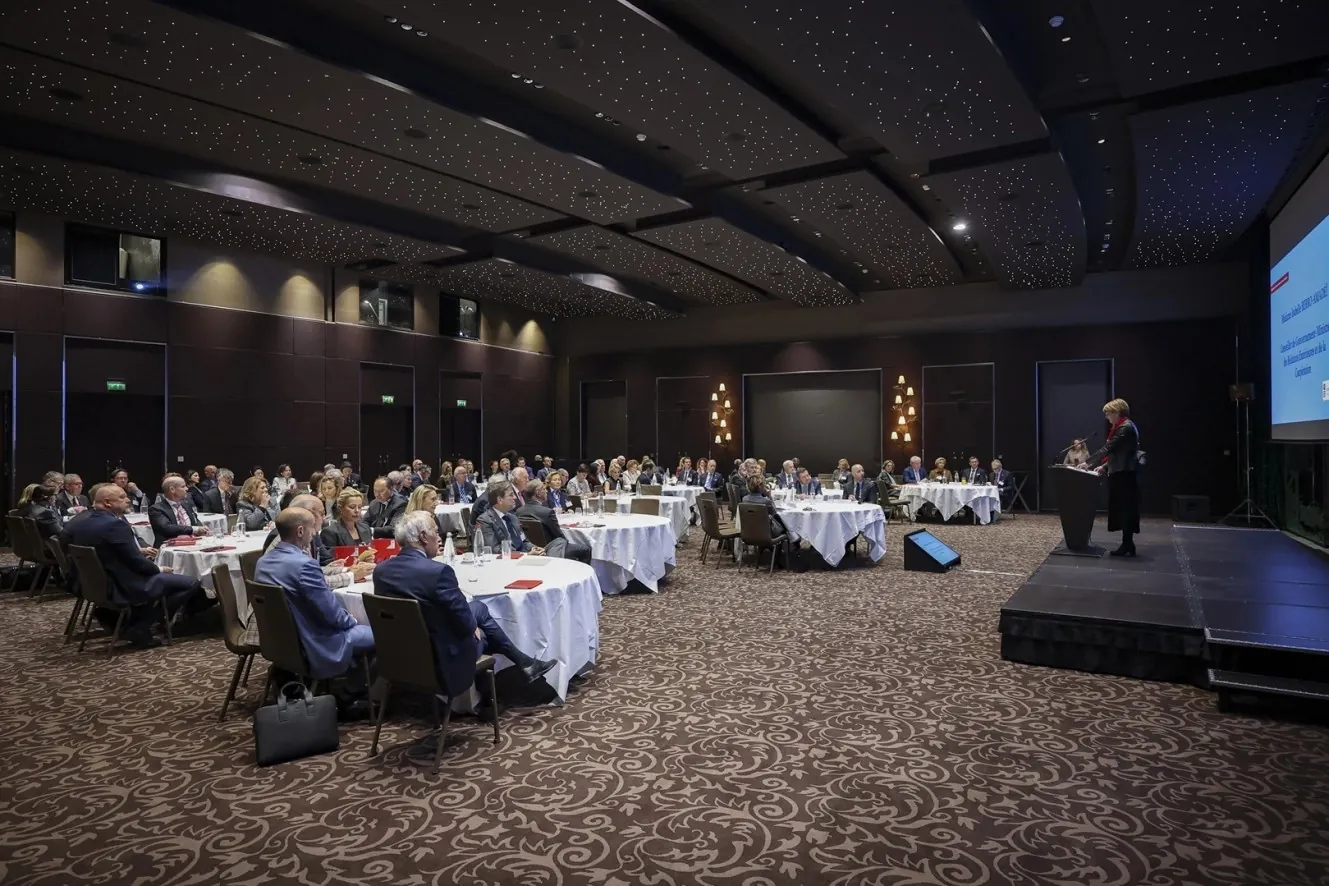
Every year, once the flags of National Day have come down, Monaco calls its furthest flung representatives home. On Friday 20 November the Department of External Relations and Cooperation held the traditional consular meeting, the annual briefing at which the Principality's honorary consuls are given the state of the country they represent. The Government's published account of the day, released on Tuesday, is the fullest public picture of a network that is easy to forget exists: 135 active consulates in 88 states, maintained by a country whose own territory would fit inside most of the cities where those consuls work.
The scale deserves a pause. Alongside the consuls stands a career diplomatic corps that the Government's own policy page counts at 23 diplomats and 18 ambassadors, accredited to the major international organisations and to 32 states, with diplomatic relations maintained with 167 states in all. The honorary consuls are the larger half of that presence and the less visible one: locally rooted figures who promote the Principality's interests with the authorities, the businesses and the civil society of their home countries, and whose local knowledge the Government's release singles out as the network's working asset.
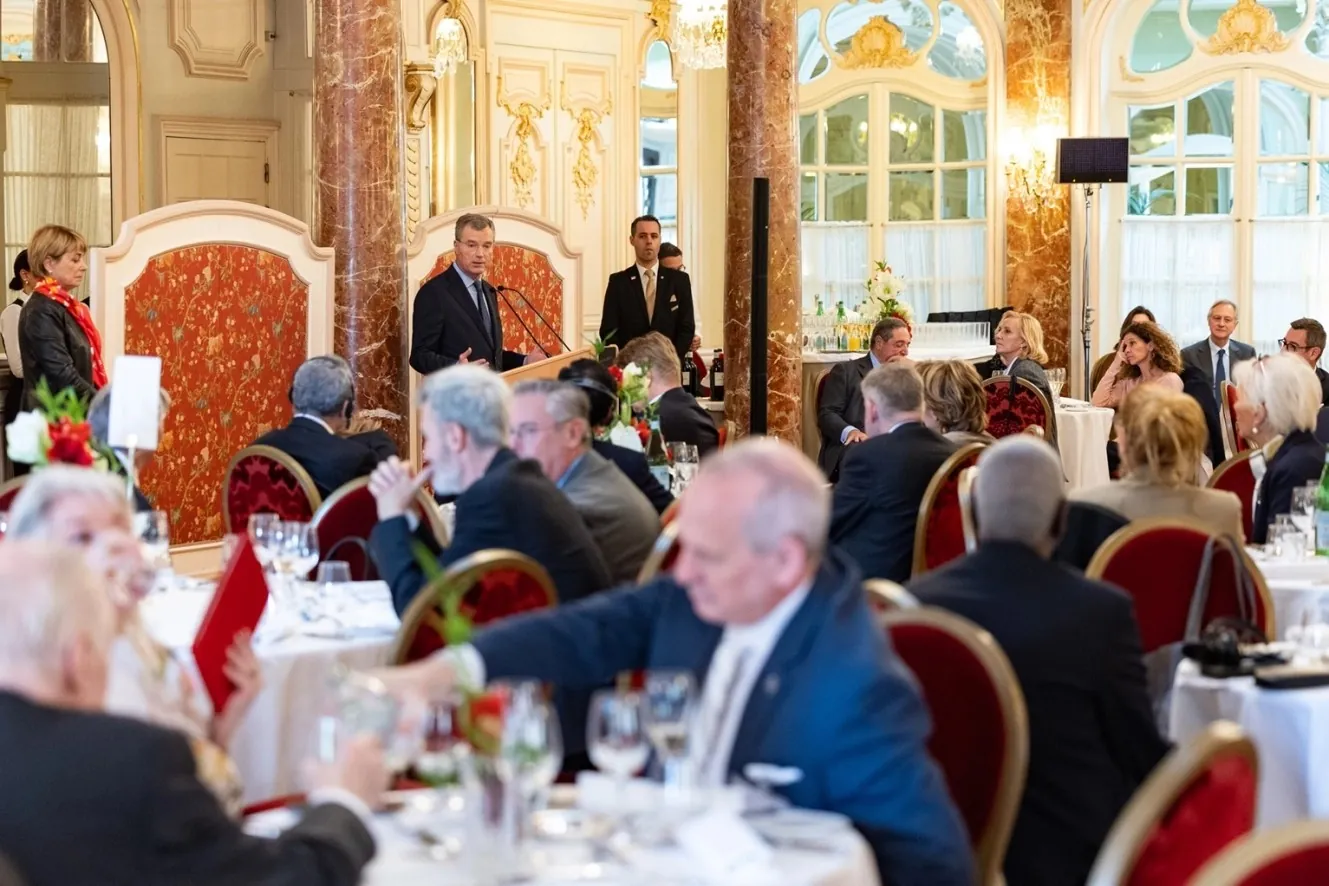
The meeting opened with foreign policy. Isabelle Berro-Amadeï, the Minister of Foreign Affairs and Cooperation, reviewed the bilateral activity of the year past and Monaco's presidency of the Council of Europe's Committee of Ministers, held from May to November. For consuls whose daily work is bilateral, the presidency was the year's multilateral headline, and it was placed first for a reason: it is the achievement they will be asked about abroad.
The briefings then turned to the economy and to attractiveness, the two subjects on which a consul's conversations abroad most often turn. Frédéric Cottalorda, the Minister of Finance and Economy, set out the Principality's economic situation and addressed Monaco's removal from the grey list of the Financial Action Task Force, the listing whose shadow fell over every financial conversation the consuls have had in recent years. He was followed by Ludmilla Raconnat Le Goff, the delegate for attractiveness attached to the Minister of State, and by Guillaume Rose, the executive director general of the Chamber of Commerce, both of them, as the release notes, the consuls' standing counterparts through the year for promoting what the Principality offers.
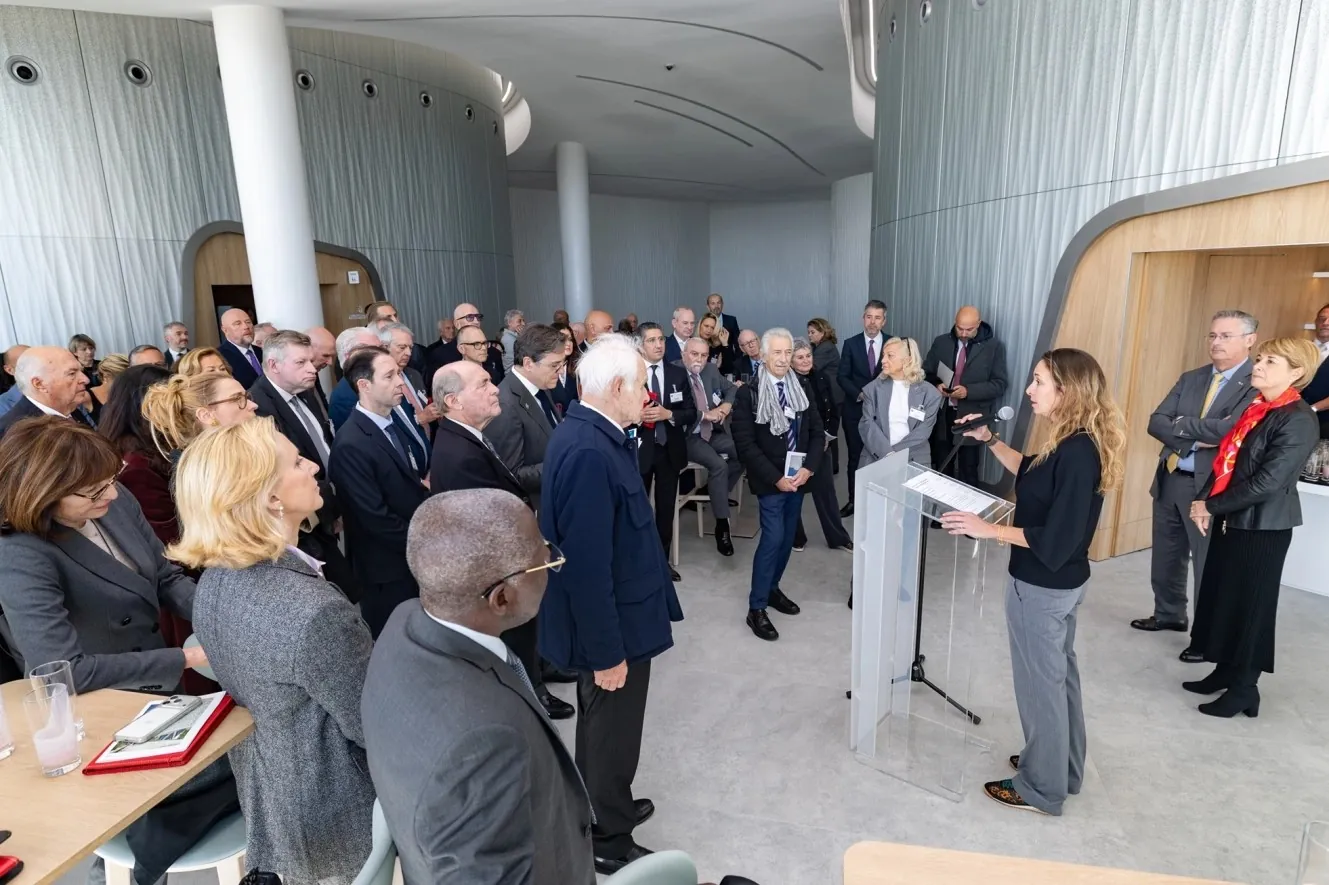
The day's set piece was a building. Christophe Robino, the Minister of Social Affairs and Health, presented the Government's health policy and then the modernisation project of the Princess Grace Hospital, after which the whole consular corps was received at the hospital by its director, Benoîte Rousseau de Sevelinges, and her teams for a first look at the new building. A hospital may seem an odd exhibit for diplomats, until the logic is stated plainly: the consuls sell a place to live and to settle, and the quality of its hospital is part of what they are selling.
Christophe Mirmand, the Minister of State, closed the meeting with the challenges of the years ahead and with the claim, recorded in the release, that collective work and the country's unity behind its Sovereign are what will meet them, the diplomatic and consular corps included in that collective. It is a formula, but the day's structure gives it content. A state this small cannot be present in 88 countries with embassies. It is present with people, briefed once a year in one room, and sent back out with the year's arguments in order.
None to date. The Chronicle corrects errors promptly and transparently. Read our corrections policy.