Getting back up, again and again
Monaco's campaign for the International Day for the Elimination of Violence against Women is built around a single word, survivor, and an animated rugby player who keeps rising after every fall. Its centrepiece film, Debout, leads a week of events across the principality.

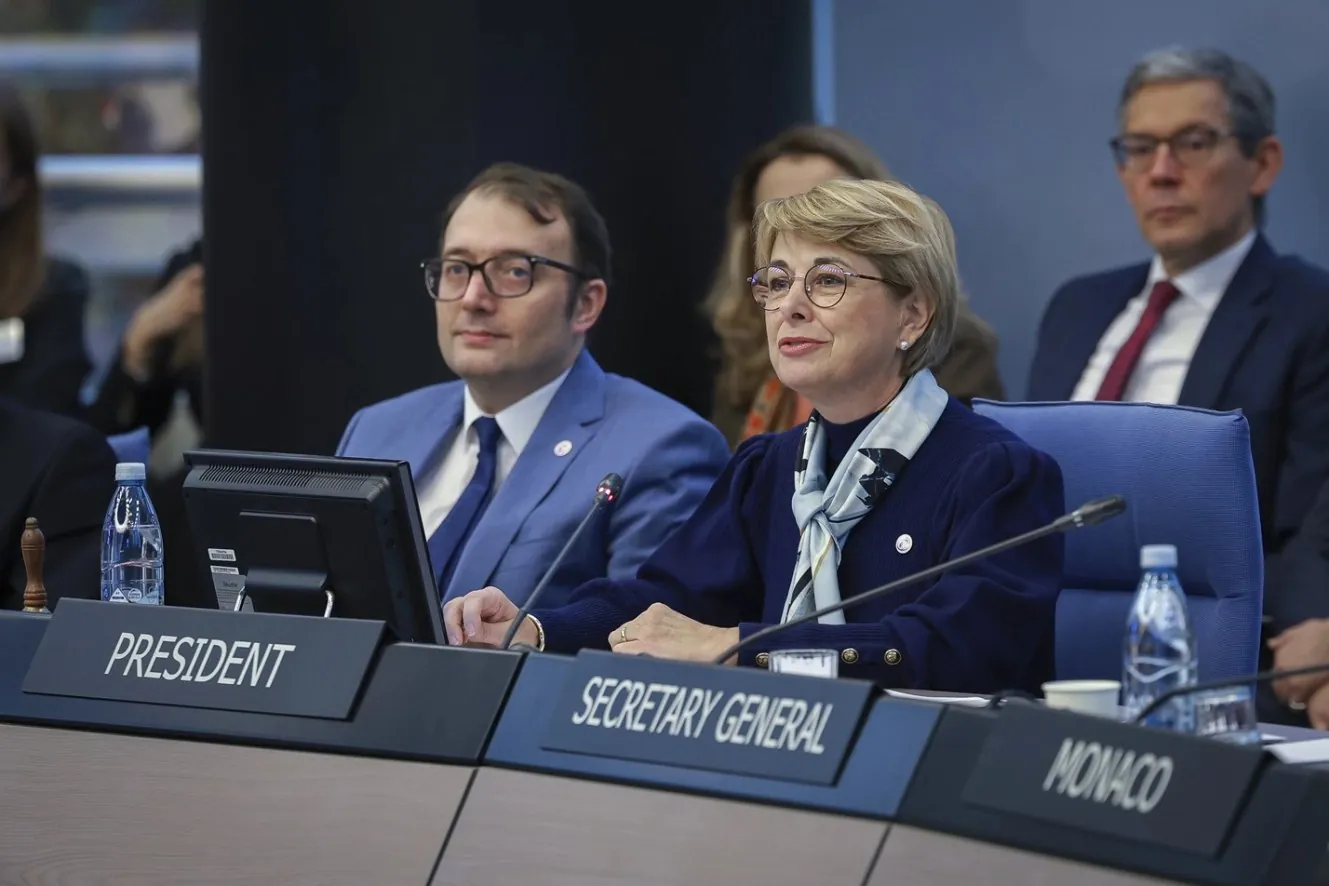
The campaign has a thesis, and the thesis is a word. The Committee for the Promotion and Protection of Women's Rights has built this year's work for the International Day for the Elimination of Violence against Women, on 25 November, around the theme Surviving Violence, and around the claim that a woman who has lived through violence should be described, and should describe herself, as a survivor rather than as a victim for life. Céline Cottalorda, the interministerial delegate for women's rights, presented the campaign this week with a message of hope, reported by both outlets that covered the launch: that it is possible to leave violence behind and rebuild a life, and that the support services available in the principality exist to be used. The campaign's stated aims run in that order: the lasting impact of violence first, then the possibility of recovery, then the practical information about where help is.
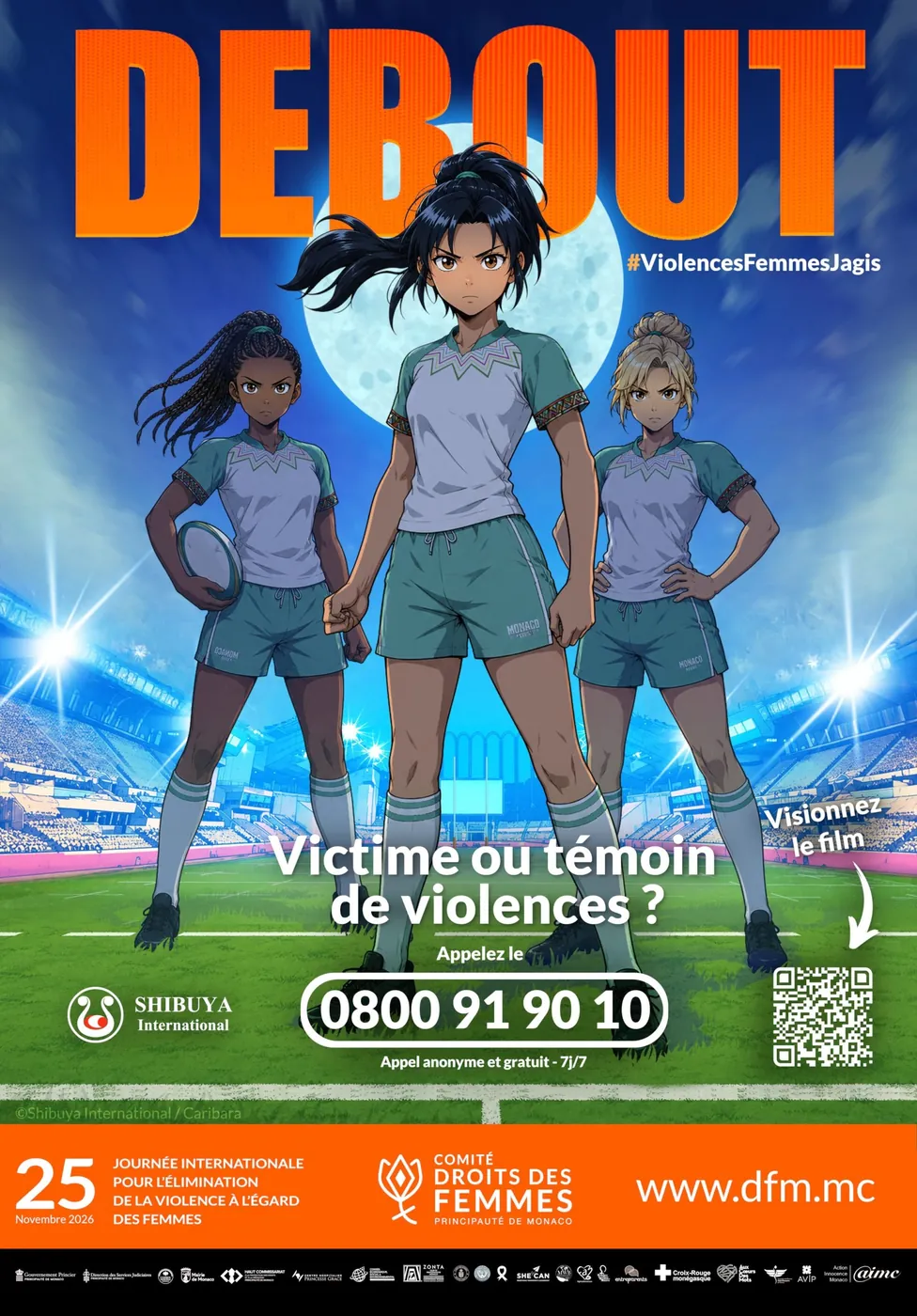
Its centrepiece is a short animated film, Debout, which translates as Standing Tall, made for the campaign with Cédric Biscay, the founder of Shibuya Productions and an ambassador for women's rights. In the account of the film that Biscay has published on the Committee's own site, it follows a young woman through a rugby match, in a setting where physical confrontation is codified and almost ritual. As the match goes on, fragments of memory break through: another kind of violence, intimate, repeated, woven into the daily life of a couple, which has none of the sport's rules, consent or boundaries. The aggressor is never fully shown. He is a diffuse, recurring presence, standing for a system of domination rather than a single man, and the film's sound and images distort as the two worlds bleed into each other. At its centre is a single gesture, getting back up, again and again, presented not as heroism but as something fragile, physical and necessary. The word Survivante, survivor, appears at the end, which Biscay describes as a sober statement of what is, rather than a slogan. The film will be broadcast on Monaco Info and carried on the Committee's site and channels.
Around the film, the campaign gives the floor to women themselves. Anonymous accounts collected by the AVIP, the association that supports victims of criminal offences, from women in Monaco who have come through violence, will be read at the campaign's official evening on Wednesday 25 November at 6.30 pm, in the auditorium of the Collège Charles III, with free admission. The reports of the launch note that the readings take inspiration from the story of Gisèle Pelicot. The same evening hosts the prize ceremony for the Committee's video competition for secondary school students, run with the Department of Education, Youth and Sport. This year's theme is Red flags, the warning signs of an unhealthy relationship: manipulation, excessive control and disrespect, the behaviours the campaign wants young people to learn to name early.
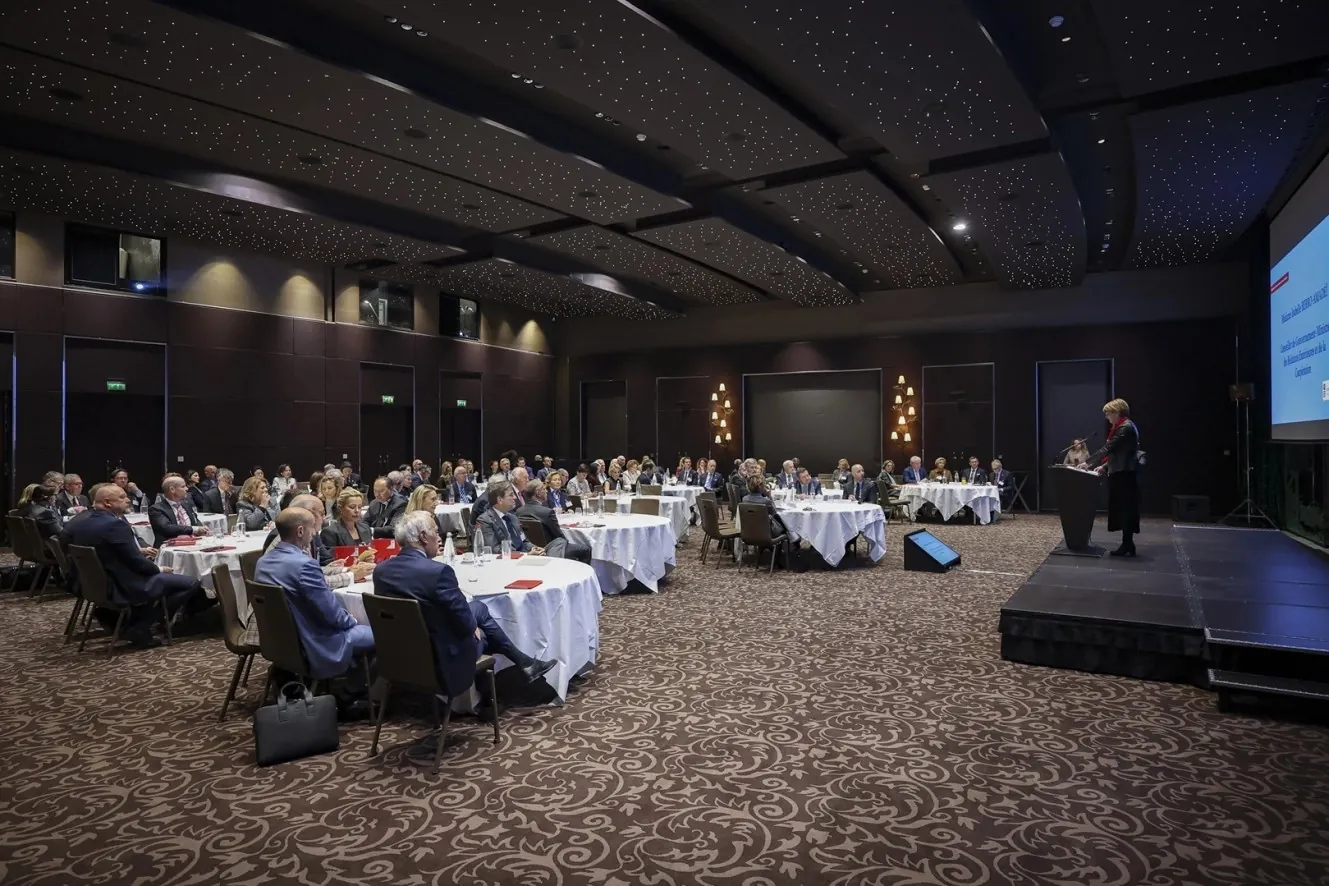
The official evening is the peak of a week that spreads across the principality's associations, in the programme the Committee has published. From 23 November, the Zonta Club of Monaco lays a red carpet on the steps of Saint-Charles Church, with women's shoes standing for victims, and banners against violence on benches around the principality. That evening, Fight Aids Monaco and SheCanHeCan hold a pub quiz on the theme at Trinity Pub. On 24 November the Compagnie Florestan performs The Vagina Monologues at the Théâtre des Variétés. After the 25th itself, when residents are encouraged to wear a white ribbon, the Union des Femmes Monégasques runs a self-defence workshop on 28 November, and the Soroptimist Club screens La Maison des femmes, followed by a discussion, at the Médiathèque Caroline on 2 December.
What distinguishes this year's campaign is its chosen ground. Earlier campaigns in the principality have worked on recognition, on naming coercive control and the warning signs that precede violence, and the Red flags competition keeps that work going with school students. Debout works on the aftermath: on the proposition that violence continues to act on a life long after it has stopped, in memory and in the body, and that recovery is therefore a process with its own duration, not a single act of leaving. The poster's one practical instruction sits underneath its three illustrated players, and it is the detail the campaign most wants remembered. Anyone in Monaco who is experiencing violence, or who knows someone who is, can call 0800 91 90 10, anonymously and free of charge, seven days a week.
None to date. The Chronicle corrects errors promptly and transparently. Read our corrections policy.