Red and white, from the cathedral to the market
Monaco's National Day runs on two tracks at once: a morning of protocol on the Rock, with a Te Deum, honours and a parade, and a public festival of fireworks, Piaf and giant stockfish that is open to everyone. Hour by hour, the two days show how the principality stages itself.
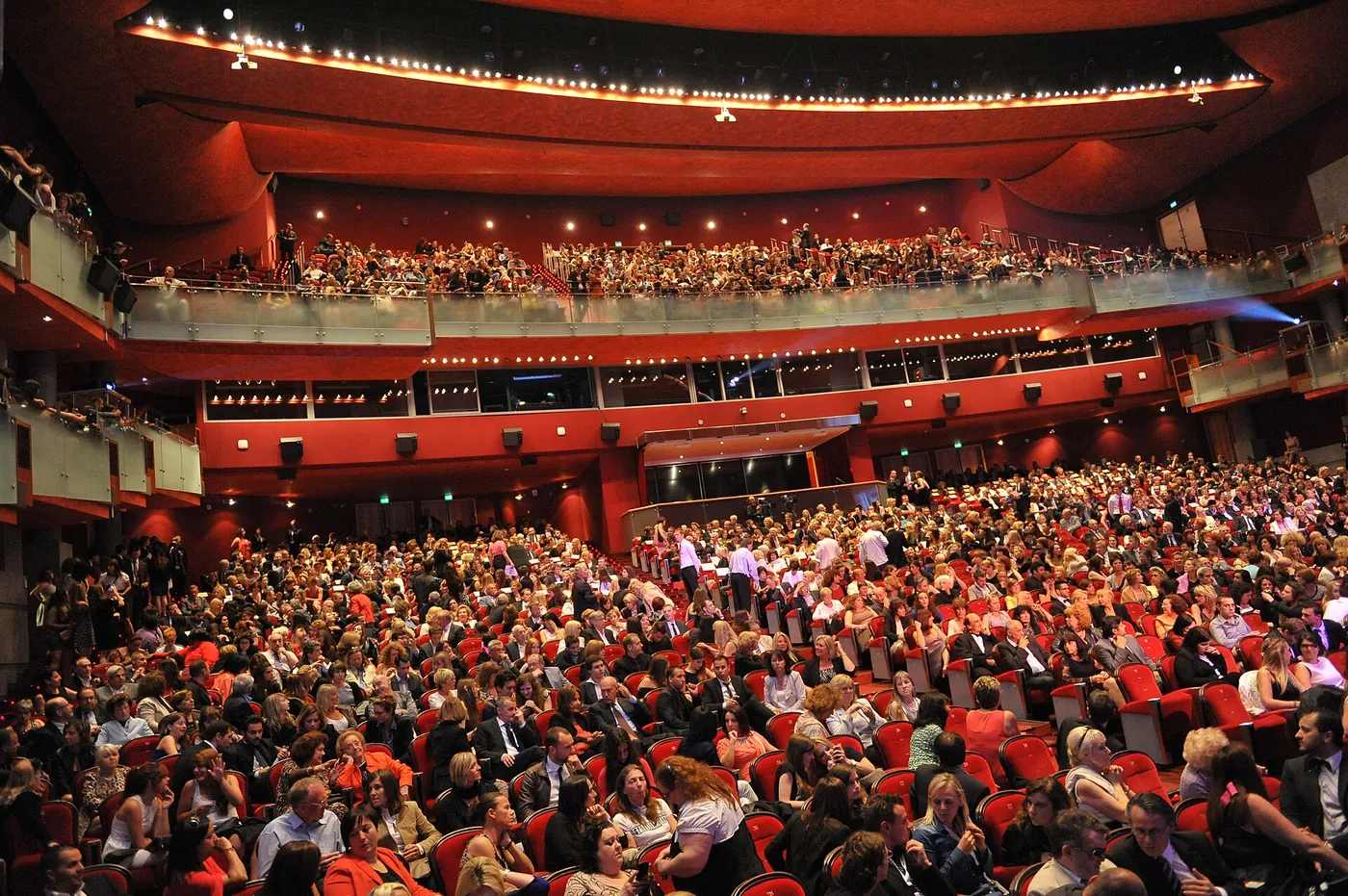
The celebrations start a night early, and they start in the open air. At 8.10 pm on Wednesday, fireworks are fired over Port Hercule in a display the Town Hall has titled Monaco, a Nation in Light, pairing the pyrotechnics with music above the harbour. The show is free and open to everyone, from the quaysides and the heights of the principality, and it is the one moment of the two days that asks nothing of its audience but that they look up. When the last of it fades, the evening moves indoors and changes register: at 9 pm the Espace Léo Ferré hosts Piaf, Le Spectacle, with Nathalie Lermitte singing Édith Piaf in a production that has played to more than two million people worldwide. That performance is free too, but by invitation, to Monegasque nationals and residents, and the distinction between the harbour and the hall is the distinction that runs through the whole of National Day.
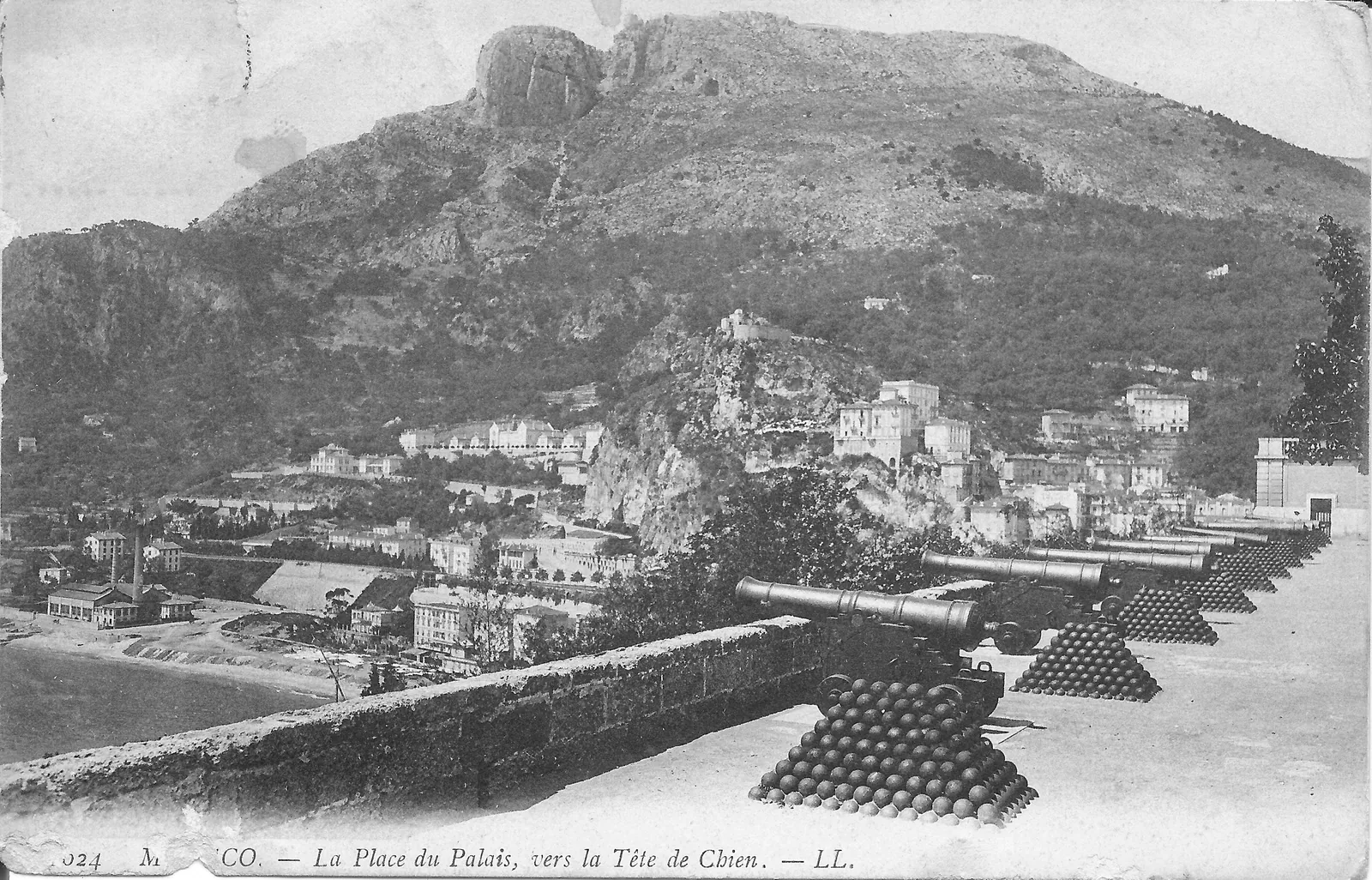
Thursday morning belongs to protocol, and its timetable is precise. At 9.30 am a Thanksgiving Mass and Te Deum are celebrated in Monaco Cathedral, bringing together the Princely Family and the principality's institutions. At 11 am the scene moves to the Cour d'Honneur of the Prince's Palace, where Prince Albert II presides as rank insignia are presented and decorations of the Princely Orders are conferred on members of the Public Force, with medals also awarded to members of the palace staff; if the weather turns, the ceremony moves to the Oceanographic Museum. At 11.30 am the military ceremony and parade take over the Place du Palais, accompanied by the Orchestra of the Prince's Carabiniers, which this year marks its 60th anniversary. None of this is improvised. It is the state performing its own continuity, in the same order, in the same places, as it does every year.
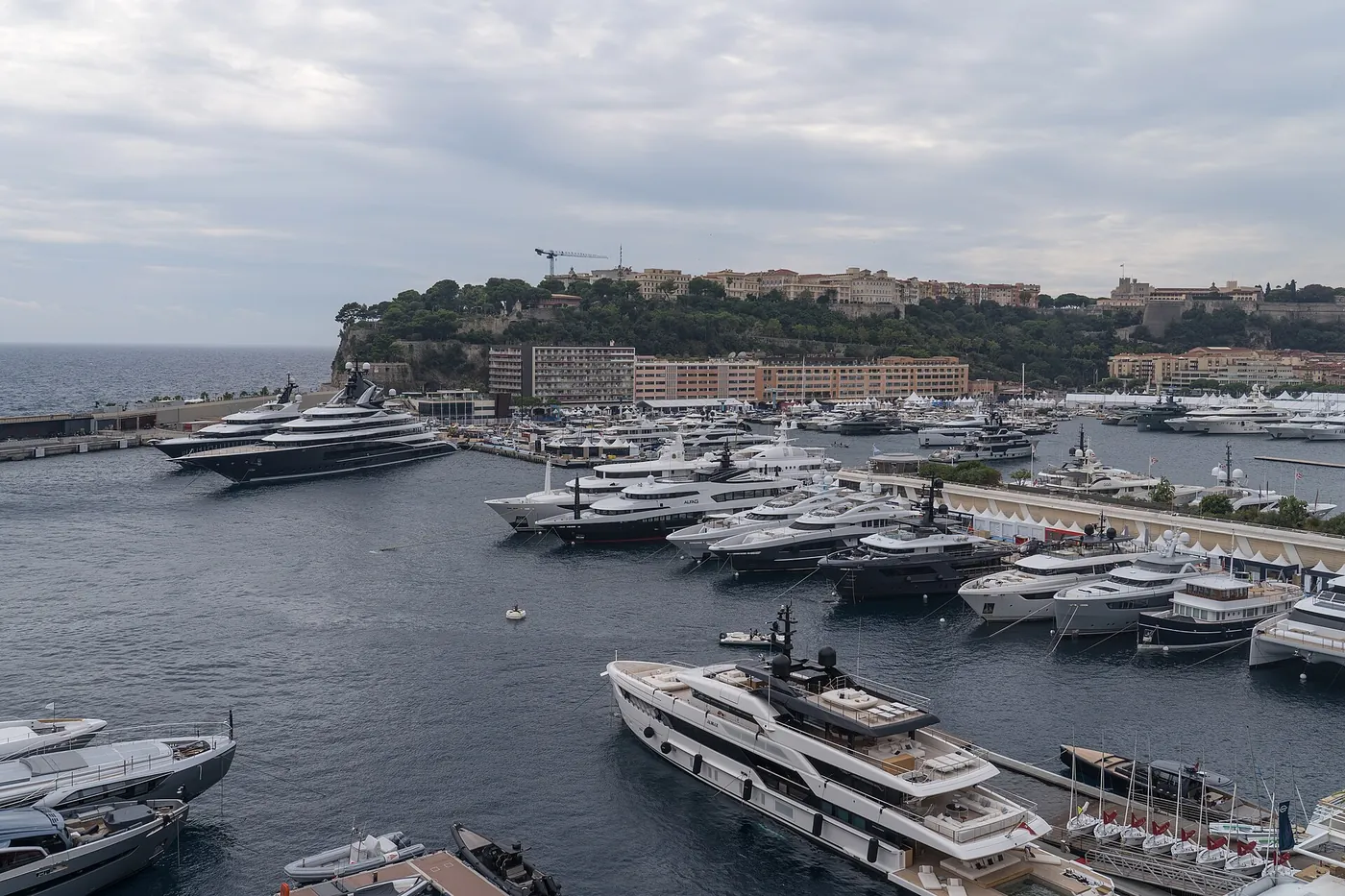
Running alongside the protocol, and overlapping it, is the public festival the Town Hall organises. At the Marché de la Condamine, the day begins at 10 am with tastings of local specialities and reaches its convivial peak at noon, when the giant stockfish is served, a dish that has become as much a fixture of 19 November as the parade across the hill. Live music closes the market's programme at 7.30 pm. None of the Town Hall's events on 18 and 19 November carries an admission charge, and none is restricted by nationality or residency. At 6 pm the Espace Léo Ferré offers the other kind of National Day evening, Anne Roumanoff's new show L'Âge Libre, free but again by invitation, while the invitation-only official gala fills the Salle des Princes at the Grimaldi Forum at 7 pm with a performance of Porgy and Bess.
The dressing of the city for the day is an operation in itself. The mayor, Georges Marsan, counts the work in figures the Town Hall has put on the record: 150 separate installation operations, 650 decorative banners, 550 flags and 90 larger flags raised across the principality. Monaco-Ville wears red and white more heavily than anywhere else, on facades and balconies as well as flagpoles, and even the funfair at Port Hercule times its season to the date, closing on National Day itself. For residents the dressing is background, familiar to the point of invisibility. Counted in banners and operations, it is a small logistical campaign, mounted so that a visitor arriving on Wednesday evening finds the principality already in uniform.
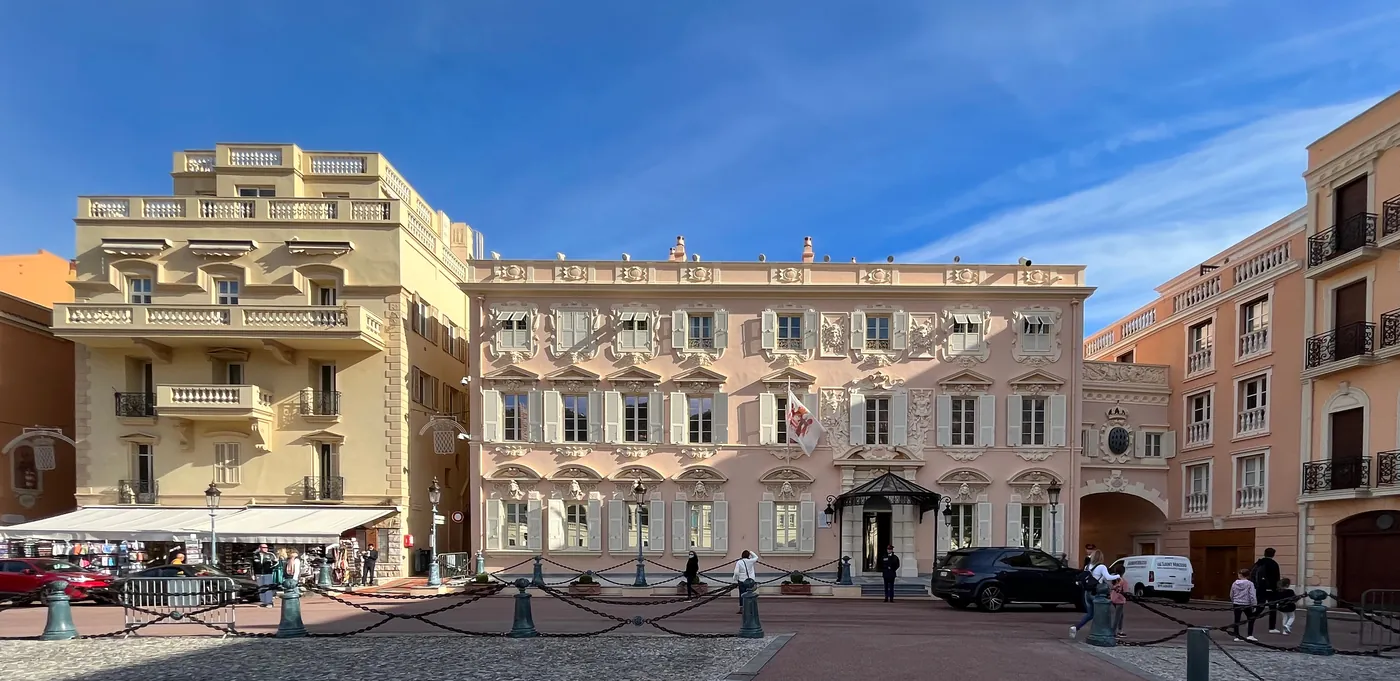
What National Day reveals, taken whole, is how deliberately Monaco runs its two natures in parallel. The morning on the Rock is closed, ranked and invitational, a court ceremony in the strict sense. The harbour fireworks, the market tastings and the stockfish are the opposite: unranked, unticketed and open to anyone who walks in, including the crowds who come over the border from France for the evening. The two tracks never compete, because each does different work. The ceremonies assure the principality's institutions that the order of things holds. The festival assures everyone else that they are invited to watch it hold. On Thursday, for one day, both assurances are delivered at once, an hour apart and a short walk from each other.
None to date. The Chronicle corrects errors promptly and transparently. Read our corrections policy.