Six months at Europe's table, and the keys pass on
Monaco handed the Presidency of the Council of Europe's Committee of Ministers to Montenegro in Strasbourg on Tuesday, closing a first six-month term that ran from 15 May to 10 November and centred on protecting people, from children's rights to safer sport.
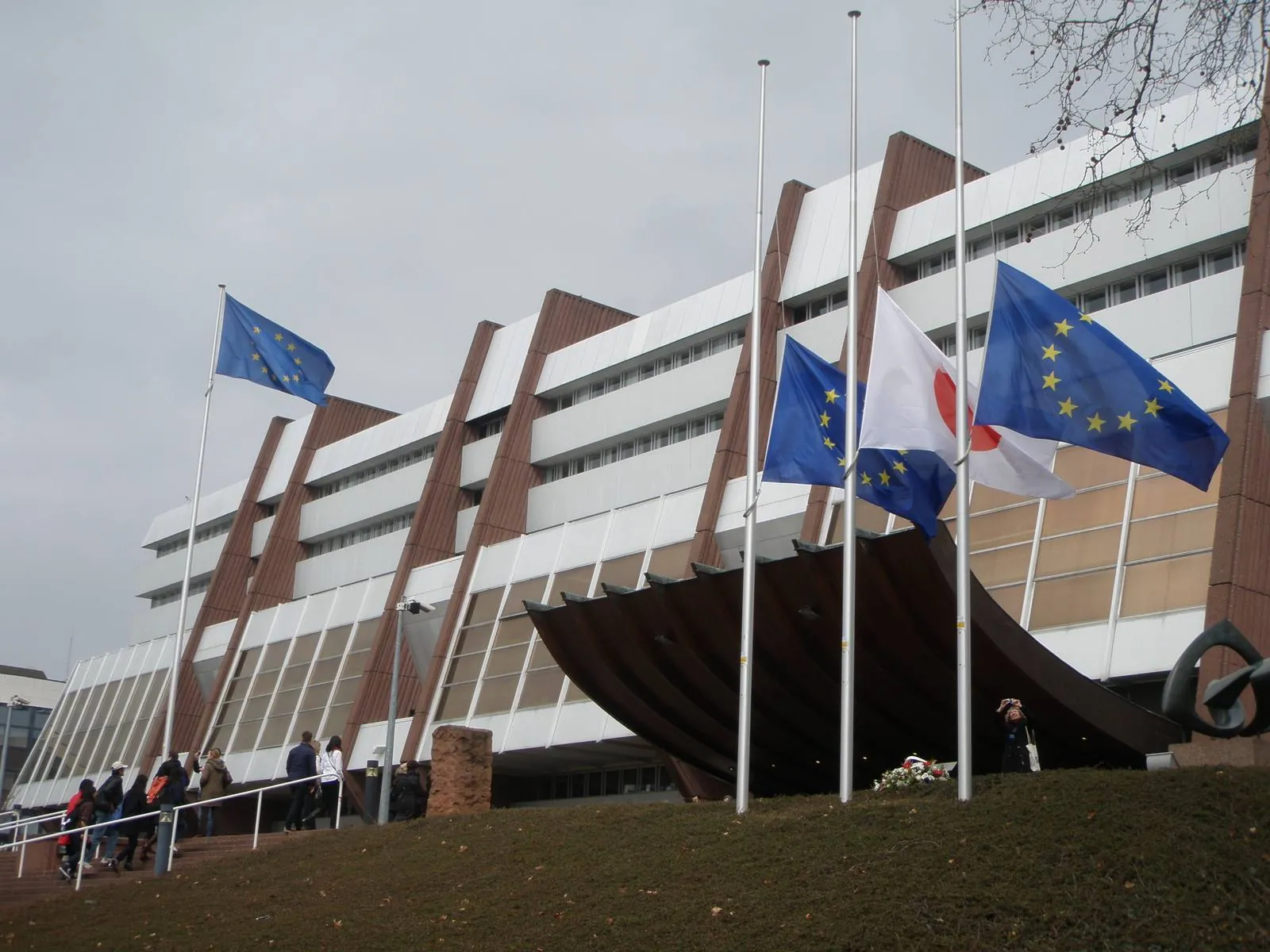
On Tuesday in Strasbourg, the presidency changed hands. The Committee of Ministers of the Council of Europe, whose presidency rotates between member states every six months, passed from Monaco to Montenegro at a meeting attended by representatives of the organisation's 46 member states, in a handover the Council marked with the symbolic key of the presidency and a flag-raising ceremony on its forecourt.
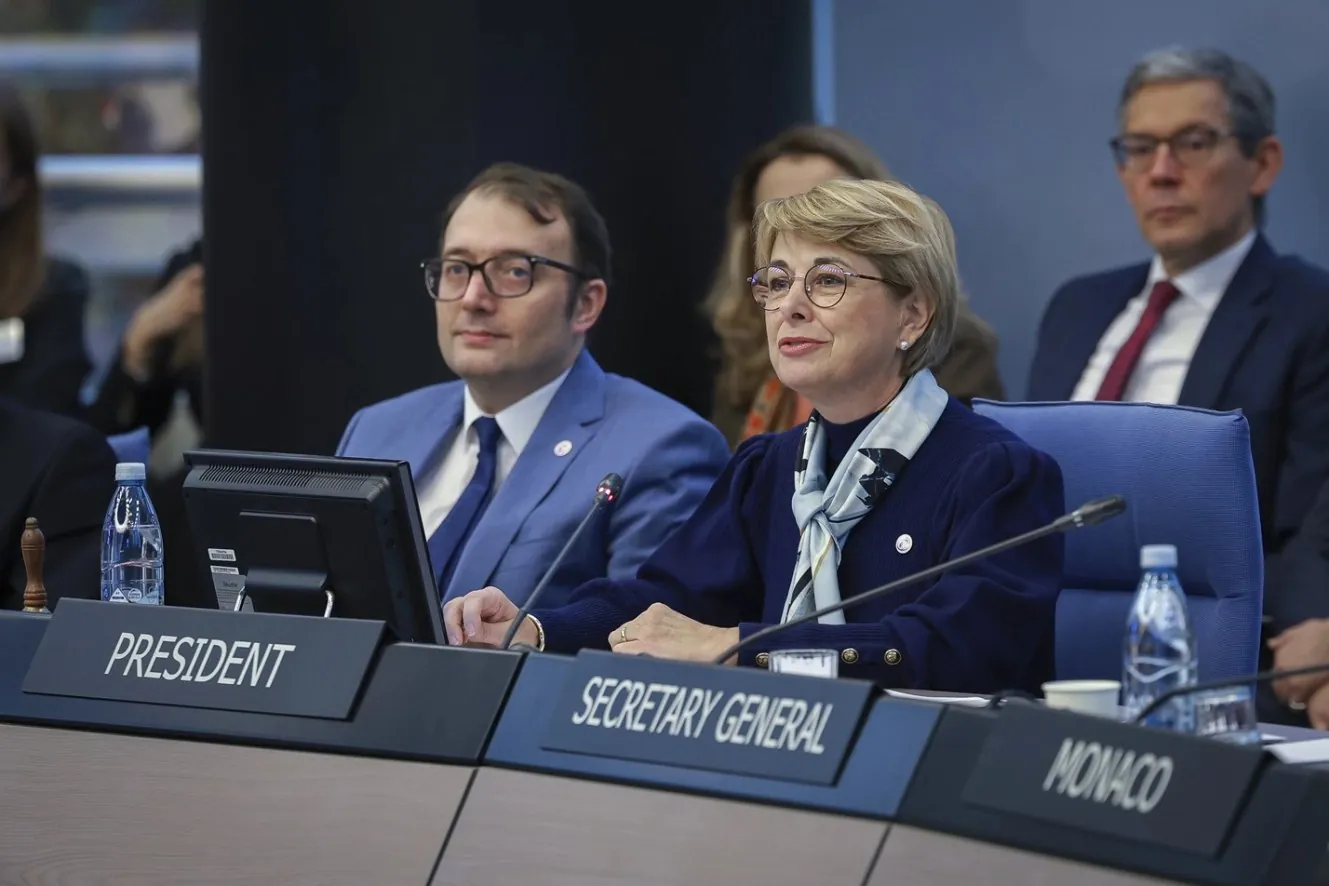
Monaco's presidency was the first in its history since it joined the Council of Europe in 2004. It began on 15 May 2026, when the presidency passed from the Republic of Moldova to the Principality at the 135th session of the Committee of Ministers in Chisinau, and it ended on 10 November. Isabelle Berro-Amadei, the Minister of Foreign Affairs and Cooperation, presided, and the Government described the term's ambition as protection for everyone, delivered through an organisation equal to the challenges of the day.
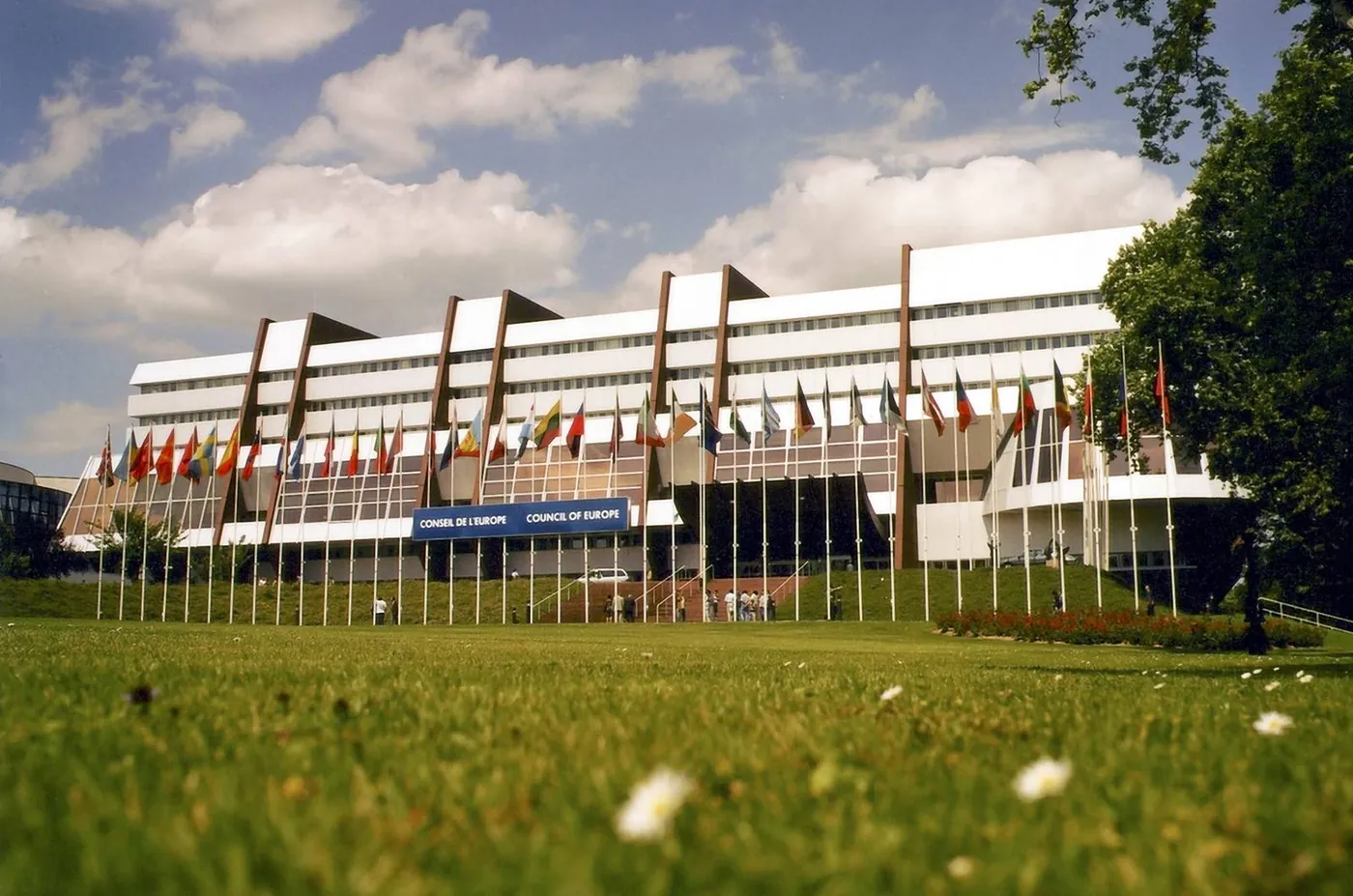
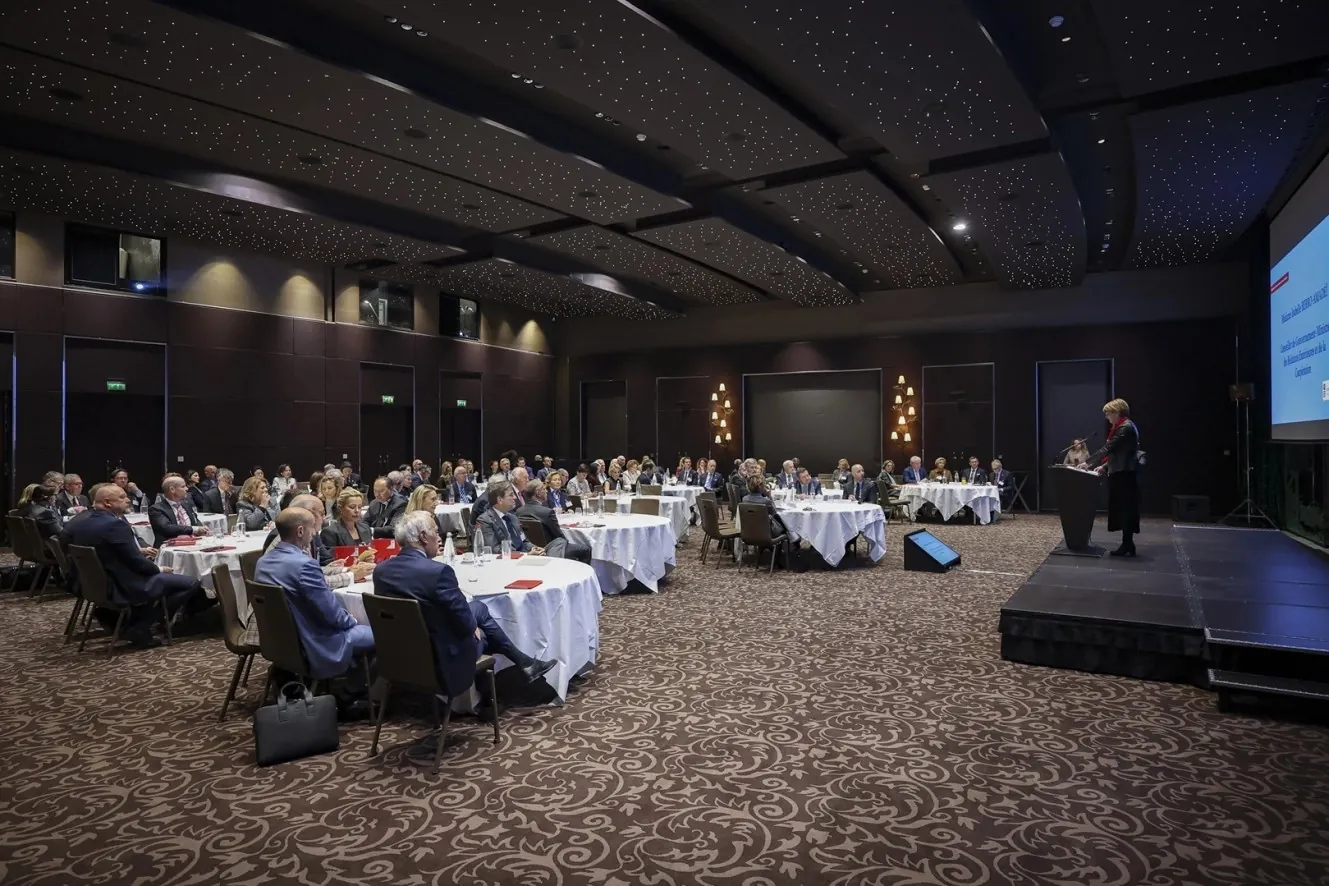
At the start of the year, Berro-Amadei named three priorities for the term: safeguarding the rights of children, tackling violence against women, and fighting organised crime. The term's public centrepiece on home ground came in its final week, when Monaco hosted the Council of Europe's conference of ministers responsible for sport at the Grimaldi Forum on 3 and 4 November, attended by about 300 participants including 25 ministers and state secretaries, which adopted a resolution on safer and healthier sport for children.
In Strasbourg, Berro-Amadei summed up the term in terms of method rather than ceremony. “The Principality strove to translate its priorities into practical action, centring its efforts on protecting persons, strengthening our common legal framework and seeking collective responses to today's challenges”, she told the Committee, adding that every member state, however large or small, has a key role to play in building a Europe true to its principles. Secretary General Alain Berset also spoke, praising what he called Monaco's “commitment, its innovation and its achievements” and observing that the principality's engagement had extended as far as Kyiv.
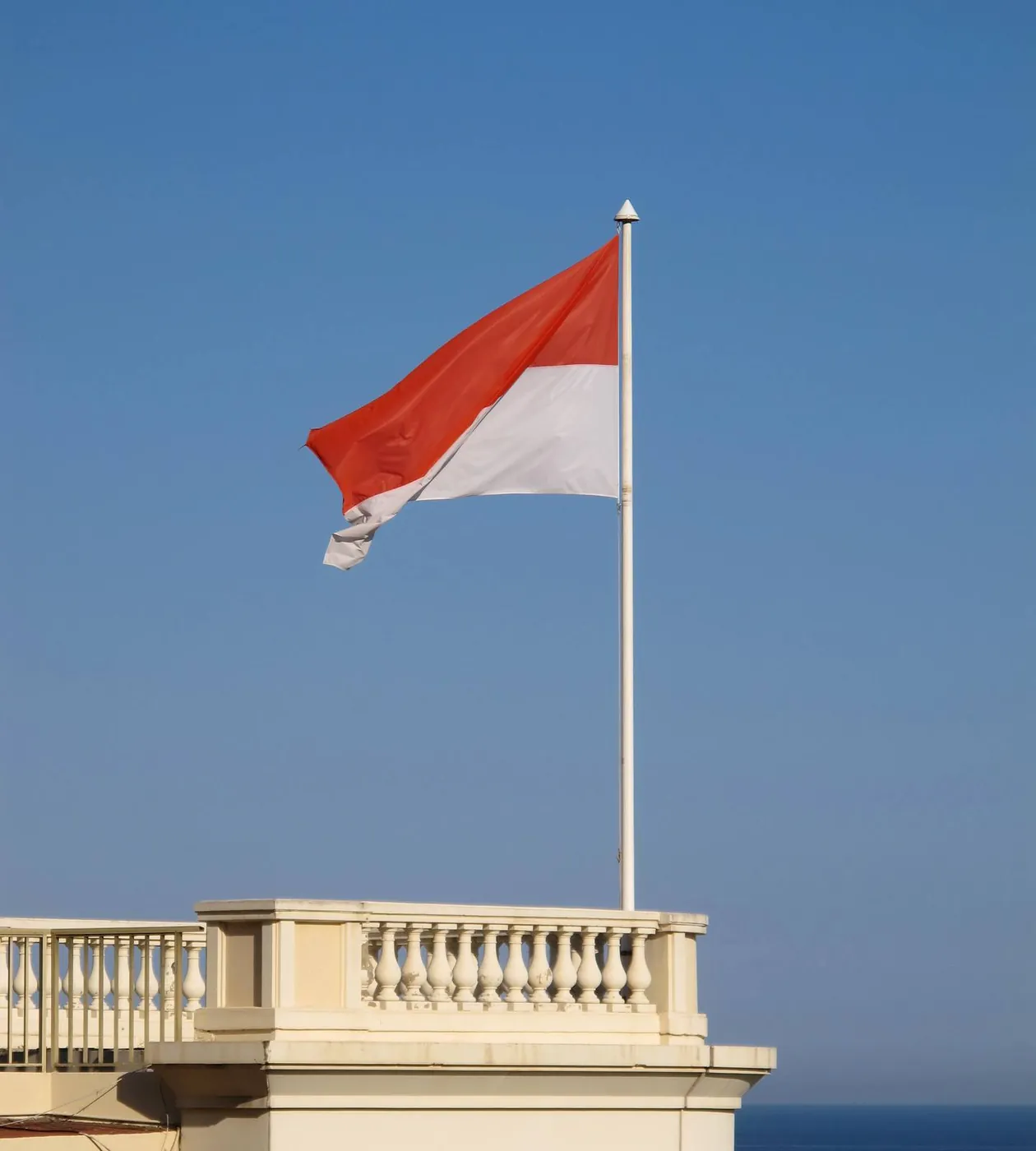
The handover also produced a joint statement by the outgoing and incoming presidencies in support of Ukraine, reaffirming support for its independence, sovereignty and territorial integrity, and pointing to the forthcoming adoption of a Council of Europe action plan for Ukraine, Democratic Security for Ukraine 2027-30. The statement recalled the 15 September visit to Kyiv by the President of the Committee of Ministers, an office Monaco held at the time.
Montenegro's presidency, its first since the country joined the Council of Europe in 2007, runs for six months to May 2027. Its Deputy Prime Minister and Minister of Foreign Affairs, Ervin Ibrahimović, set out three priorities in Strasbourg: democracy in the digital age, equality and the protection of fundamental rights with a focus on vulnerable groups, and democratic security built on the rule of law and justice. For Monaco, the six months close a particular argument the principality likes to make about itself: that size is not the measure of a state's usefulness. It held the chair through a sport conference at home and a joint statement on Ukraine, and it leaves the chair the way it took it, by rotation and on time.
None to date. The Chronicle corrects errors promptly and transparently. Read our corrections policy.