Thirty-eight thousand residents, one hundred and forty-four nationalities
The 2025 census counted 38,857 residents in the principality, drawn from 144 nationalities. The numbers describe the most international two square kilometres in Europe, and a population still growing.
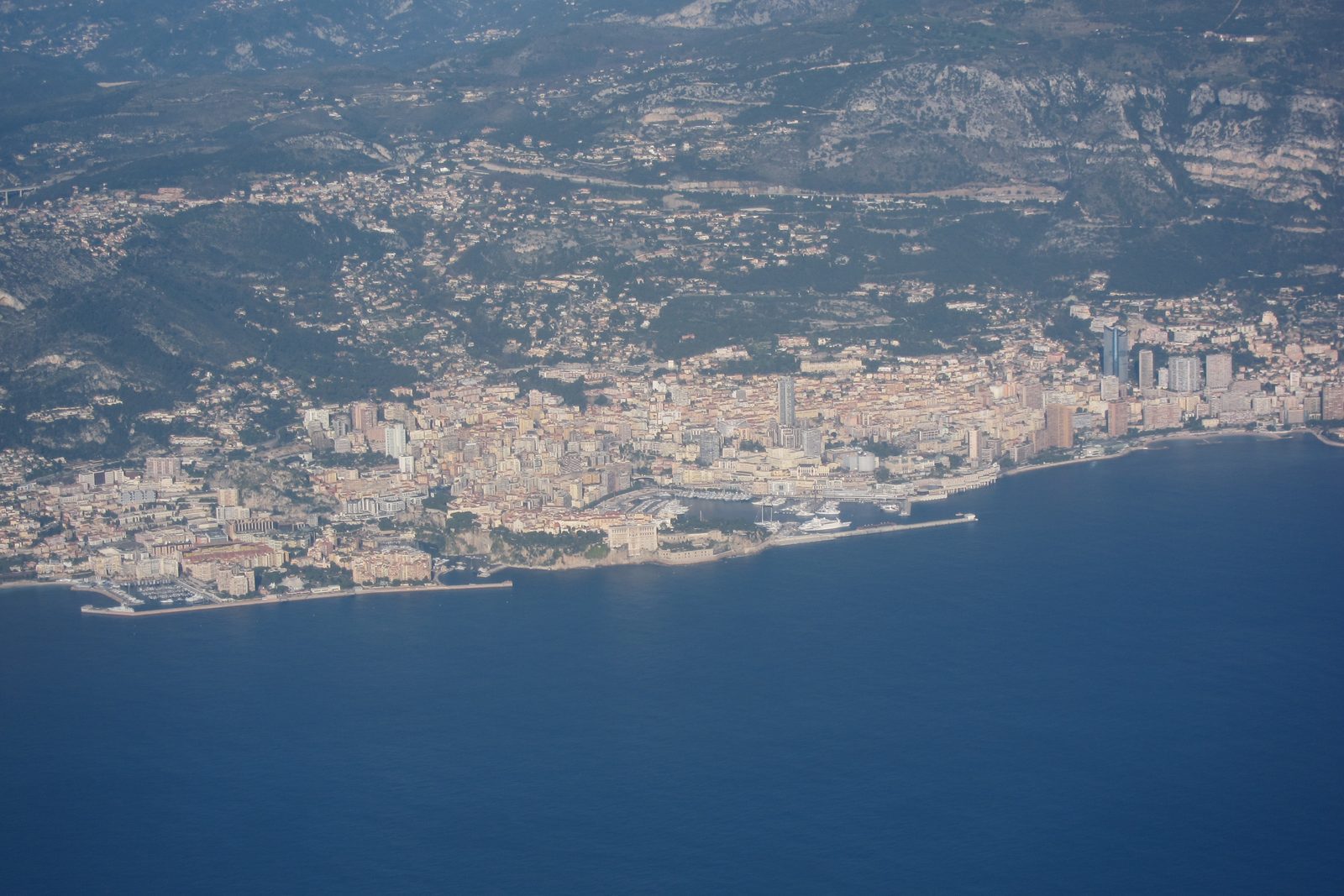
At the end of 2025, Monaco had 38,857 residents, according to the census published by IMSEE, the principality's statistics office, in 2026. The population grew by 434 people, or 1.1%, in a year. The residents came from 144 different nationalities. In two square kilometres, that is the densest concentration of internationality in Europe.
The composition tells the story. Monegasques remain the largest single group: 9,333 nationals, or 24% of the population. The French follow at 21.3%, the Italians at 19.5%. Then the British, 3,081 residents and 7.9%, ahead of the Swiss at 3.2%, the Russians at 3.1%, the Belgians at 2.7%, and the Germans at 2.5%. Americans numbered 485, or 1.2%. It is a European microcosm with a global guest list.
The flow of arrivals is as revealing as the stock. Among adults who established residency between 2023 and 2025 and remained at the end of 2025, the French accounted for the largest share at 30.6%, followed by the British at 18.9% and the Italians at 9.4%. The British figure is striking: nearly one newcomer in five now arrives from the United Kingdom, a pattern that reflects Monaco's appeal to Britons planning around post-Brexit tax and residency realities.
The census also sketches a population in its prime. The average age of new adult residents is 44.7 years; the overall average age stands at 47.2. The largest cohort is the 50-to-64 bracket, at 23.4% of residents. Just over half of adult residents, 50.6%, are married. This is not a young population or an old one. It is a population arriving, in large part, in its peak earning years, which is exactly what the principality's economic model requires.
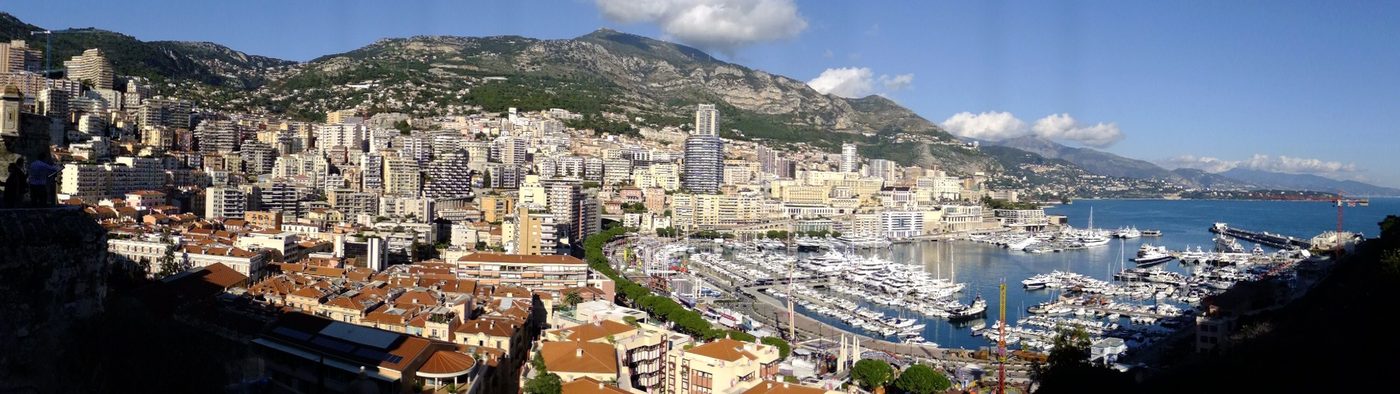
Density remains the defining fact. At 18,681 residents per square kilometre, Monaco is the most densely populated sovereign state in the world. More than four residents in ten live in just two quarters, Monte-Carlo and La Rousse. Every demographic trend in the principality plays out within walls that cannot move, which is why each census reads less like a statistical update and more like a progress report on an experiment: how many people, from how many places, can two square kilometres hold?
None to date. The Chronicle corrects errors promptly and transparently. Read our corrections policy.