The seabed gets a permanent address
More than 70 percent of the ocean floor is still unmapped to modern standards. The programme charged with completing the map, begun on a Monegasque initiative in 1903, now has a permanent secretariat in the principality, inaugurated by Prince Albert II and funded by Monaco for its first three years.
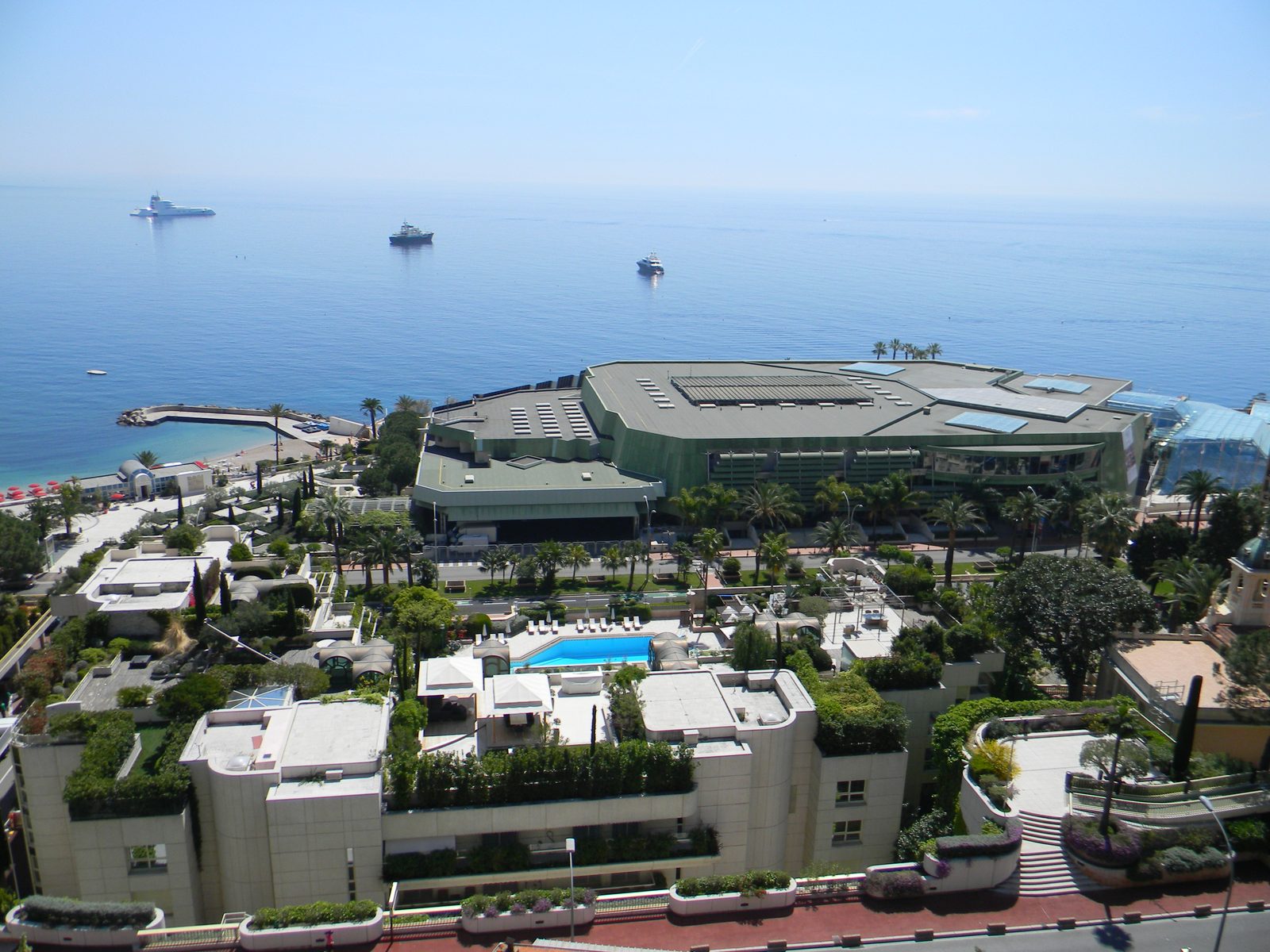
The programme that holds the only internationally recognised mandate to map the entire ocean floor has spent more than a century as a collaboration without a fixed home. That changed on Tuesday, October 13, when Prince Albert II inaugurated a permanent Secretariat for the General Bathymetric Chart of the Oceans, known as GEBCO, in Monaco. The ceremony, reported by the Intergovernmental Oceanographic Commission of UNESCO, took place alongside participants in the Council of the International Hydrographic Organization, and was attended by Isabelle Berro-Amadeï, the Government Counsellor and Minister, by Vidar Helgesen, the IOC's Executive Secretary, and by the IHO's Secretary-General, Rear Admiral Luigi Sinapi, with IHO directors John Nyberg and Adam Greenland.
The scale of the unfinished task explains the institutional upgrade. More than 70 percent of the ocean floor has yet to be mapped to modern standards, a figure both the IOC and Riviera Radio put at the centre of their accounts of the inauguration. GEBCO operates under the joint auspices of the IOC and the IHO, and its 2024-2030 strategy is built to serve both parent organisations. Bathymetry, the measurement of ocean depth, is unglamorous work with practical consequences: safer navigation, better tsunami early warning, environmental protection and the basic scientific knowledge of what the seabed actually looks like.
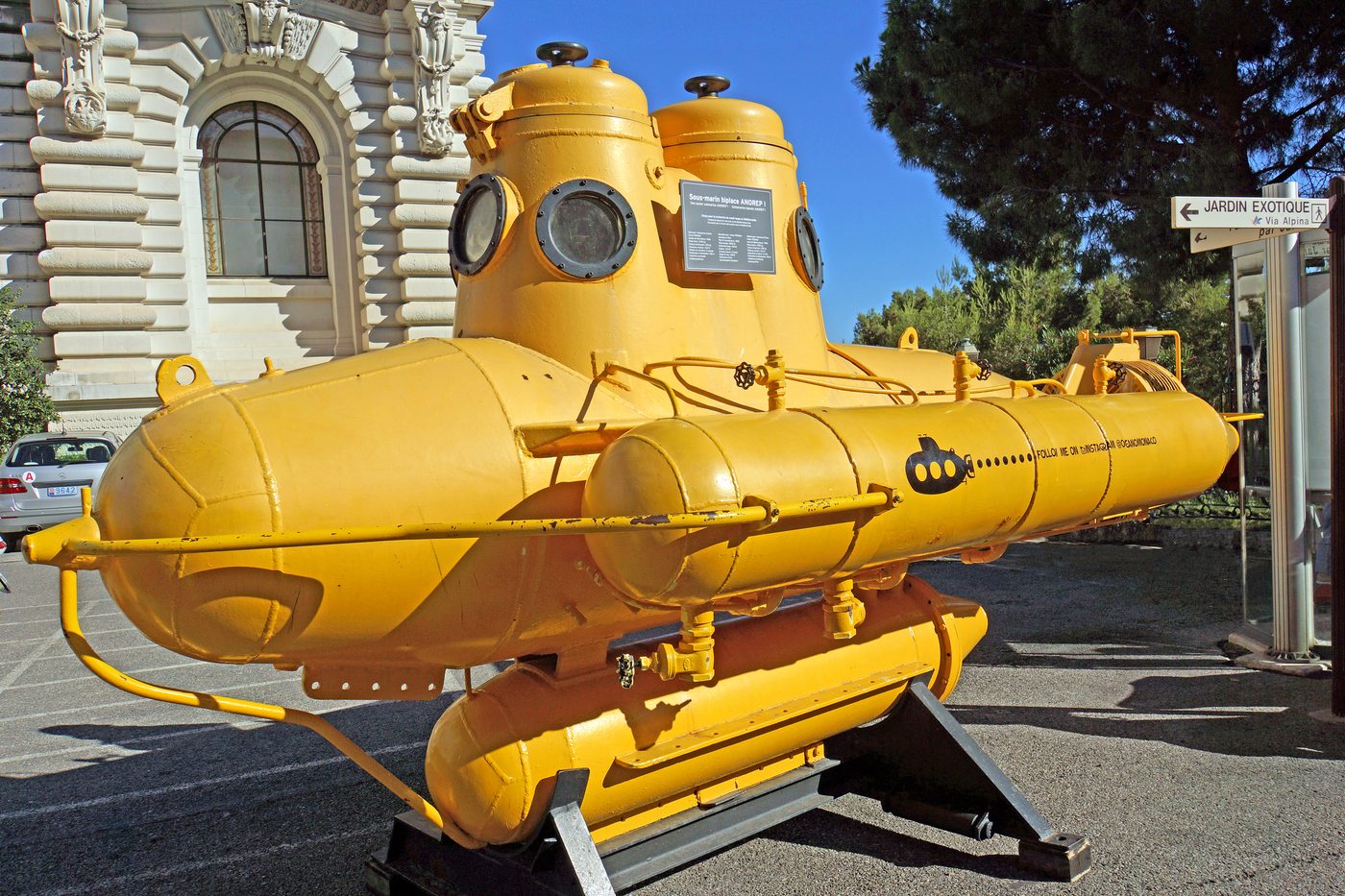
The Secretariat's job is coordination rather than surveying. Co-located in the IHO offices in Monaco, it is to develop global mapping initiatives, help shape a policy environment that makes seabed mapping and ocean data sharing easier, and build the funding partnerships that pay for mapping work. Its flagship cause is already defined: the Nippon Foundation-GEBCO Seabed 2030 Project, formally endorsed as an action of the United Nations Decade of Ocean Science for Sustainable Development, which the IOC leads for 2021-2030.
Monaco is paying for the start. The Government of Monaco will fund the Secretariat for an initial three years, and Sam Harper, an Assistant Director at the IHO, will serve as its head. The arrangement is characteristic of how the principality buys a role in global institutions: not with the largest cheque in the room, but with the first one, and with a permanent address attached. A three-year funding commitment turns a visiting programme into a resident one, with staff, continuity and a Monegasque postcode.
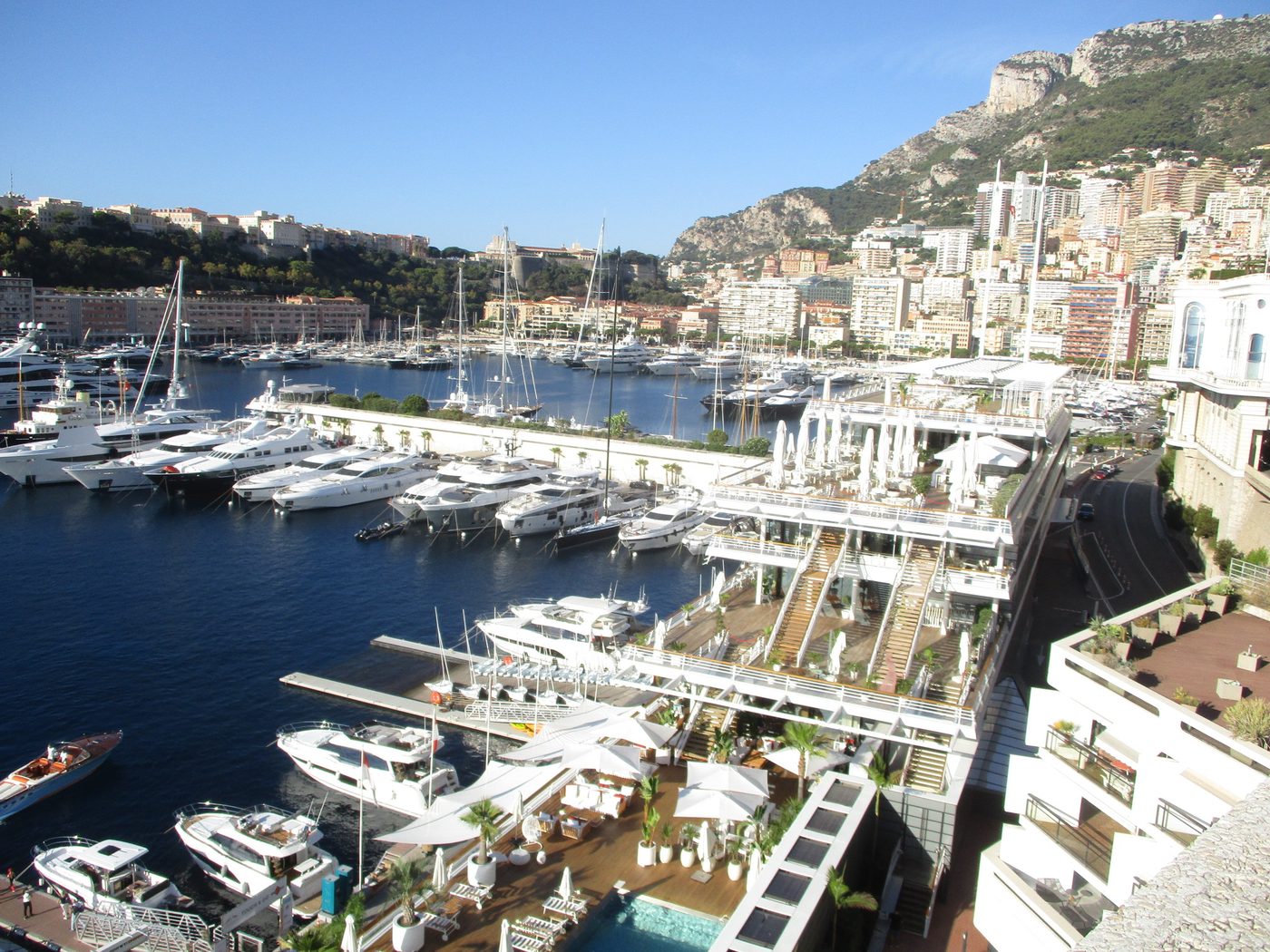
The lineage is unusually direct. GEBCO began in Monaco in the early twentieth century, when Prince Albert I, the navigator prince, noticed how little was known about the ocean across much of the world; at his initiative, the first GEBCO charts were published in 1903, drawn largely from data gathered on his own oceanographic campaigns. The programme Prince Albert II inaugurated a secretariat for this week is the same enterprise, extended by a century of survey technology and international cooperation, and still headquartered, in every sense that matters, where it started.
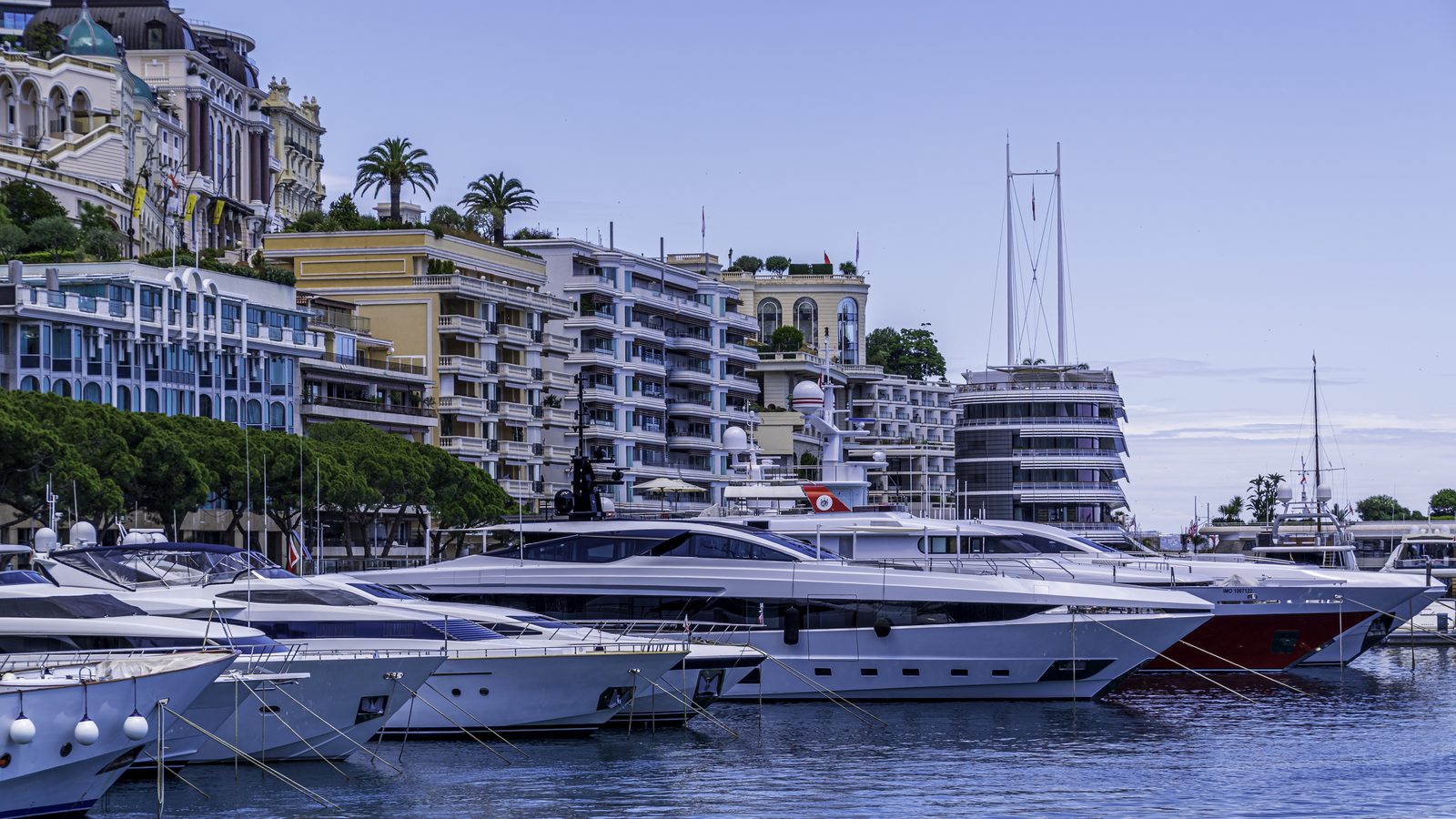
There is a pattern here that Monaco repeats across ocean science. The Oceanographic Museum gave the principality a scientific claim on the sea in stone; the Prince Albert II Foundation gave it a funding instrument; the hydrographic organisation has long been resident in the principality. A permanent GEBCO Secretariat adds the missing piece, a working office for the one map every ocean policy quietly depends on. The seabed will take years to finish mapping. As of this week, the effort to finish it has a permanent address, and the address is in Monaco.
None to date. The Chronicle corrects errors promptly and transparently. Read our corrections policy.