Fifty thousand pounds at a time: the ocean incubator reopens
The Commonwealth Blue Charter Incubator, backed by the Prince Albert II of Monaco Foundation, has opened its second funding round: grants of up to 50,000 pounds for between ten and fifteen country-led ocean projects, with applications closing on December 11.
The money is modest and the map is enormous. On October 5, the Commonwealth Secretariat opened the second call for proposals for the Commonwealth Blue Charter Incubator, in partnership with the Prince Albert II of Monaco Foundation and, new to this round, CAF, the Development Bank of Latin America and the Caribbean. Between ten and fifteen projects will receive grants of up to 50,000 pounds each, to develop and test ocean initiatives shaped by the countries that propose them.
The themes describe the Commonwealth's ocean problem in five phrases: marine pollution, ecosystem restoration, sustainable fisheries, the blue economy, and the link between the ocean and the climate. The incubator exists to carry out the Apia Commonwealth Ocean Declaration, adopted at the Commonwealth Heads of Government Meeting in Samoa in 2024, and its method is deliberately small scale: early funding, local partnerships, and projects designed to be ready for larger investment later.
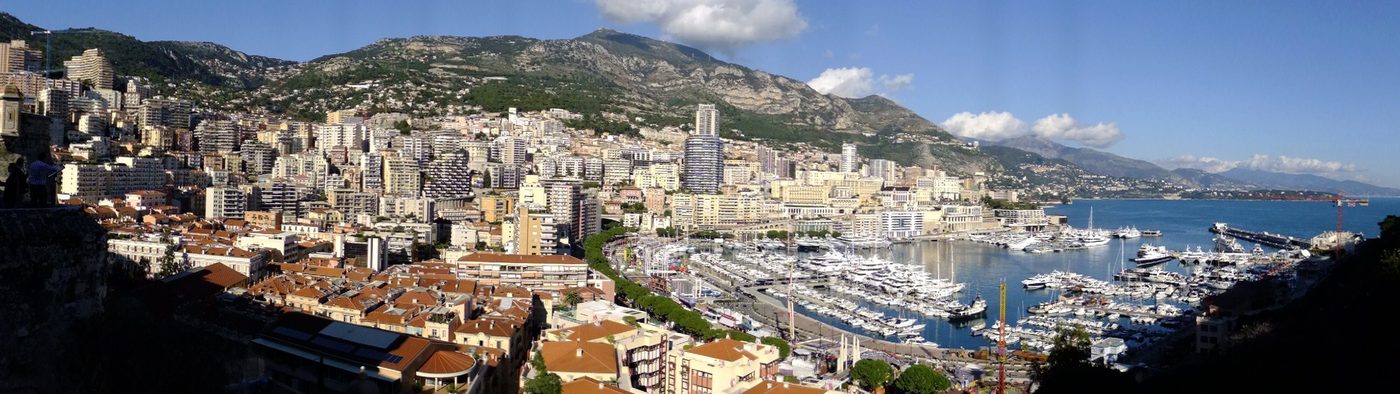
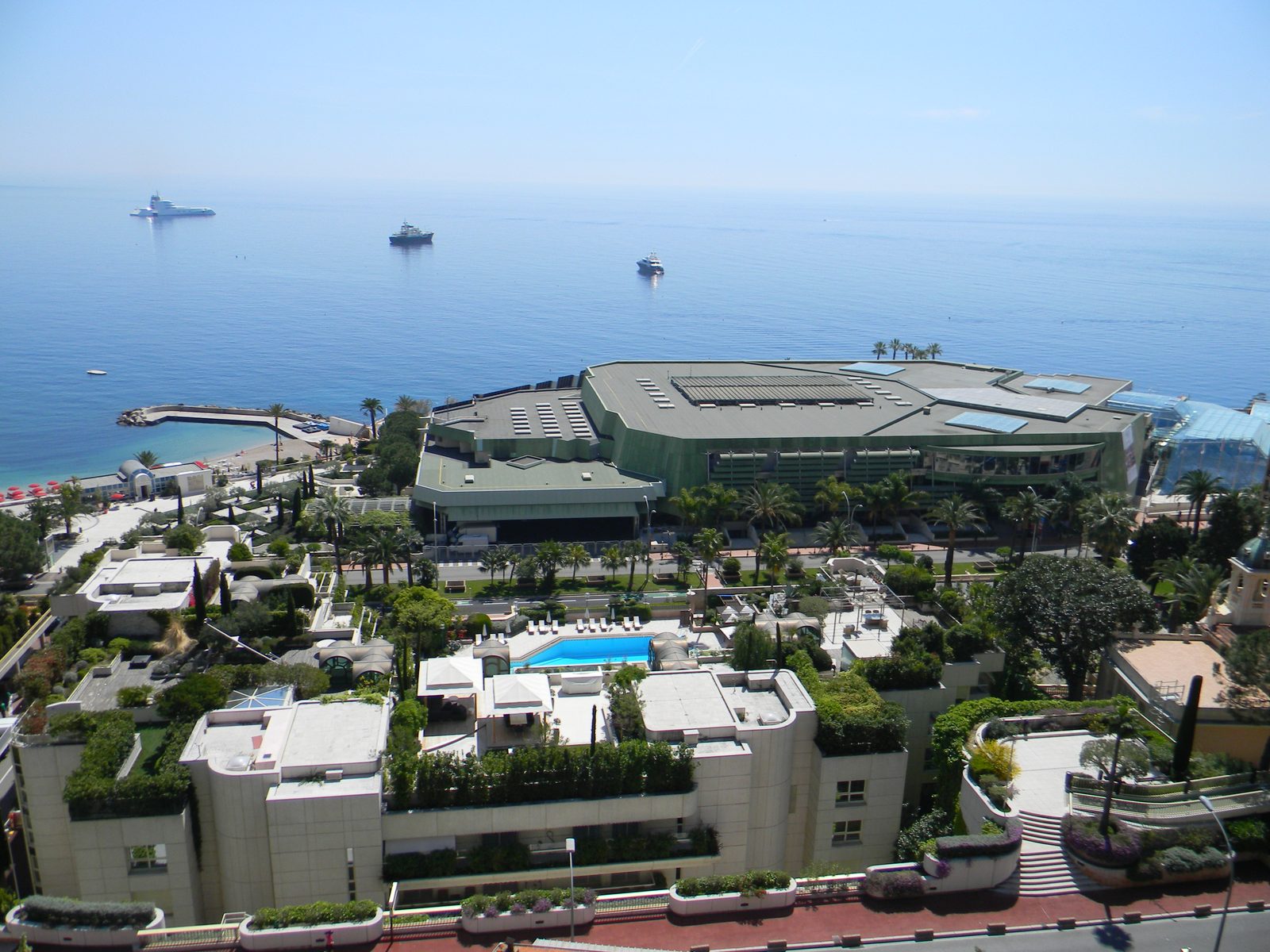
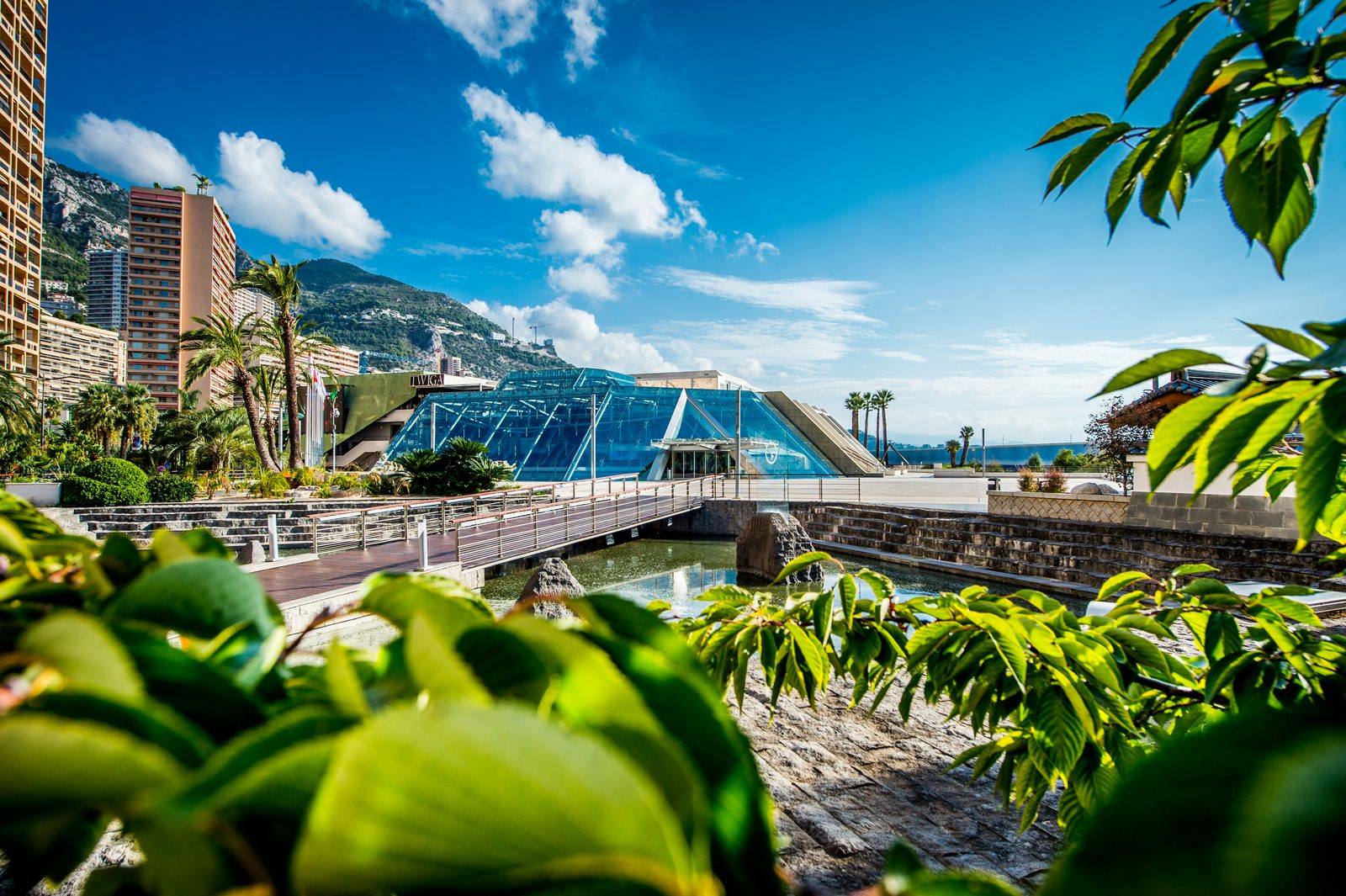
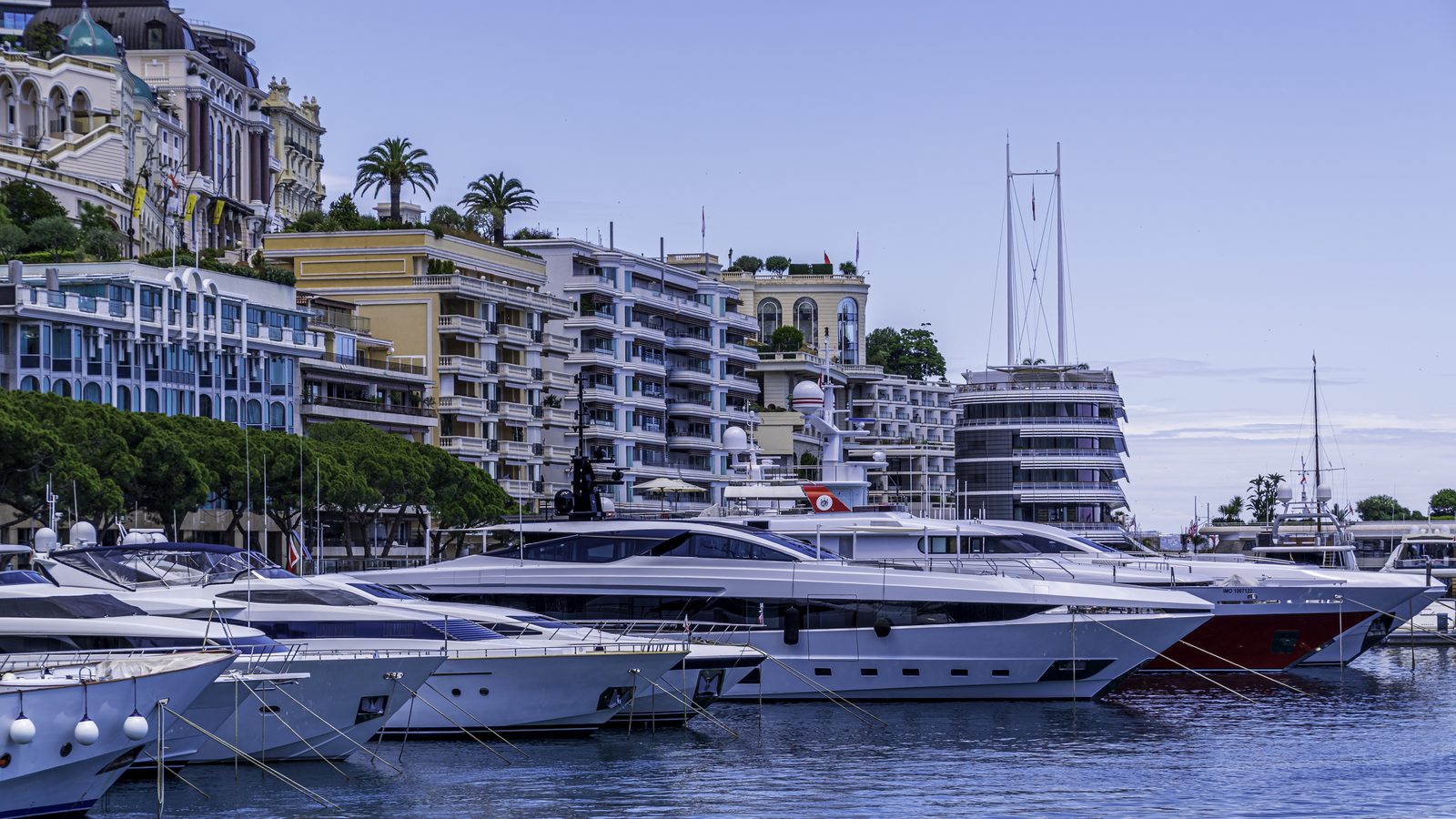
Monaco's place in the structure dates from March 2026, when the foundation and the Commonwealth Secretariat established their partnership. It is a characteristic Monegasque arrangement. The principality has no ocean coastline to speak of beyond its own few kilometres, and Monaco is not a Commonwealth member, so it holds no seat at the organisation's councils; what it has is a foundation with two decades of ocean work, a scientific inheritance running back to Prince Albert I, and a talent for being a useful partner to larger institutions. For Romain Ciarlet, the foundation's vice-chairman and chief executive, the second round is about execution rather than declarations: small grants and shared expertise, directed at projects that governments and coastal communities can actually run and then grow.
The first round offers the evidence that the mechanism functions. It backed eight projects across Africa, Asia, the Caribbean, the Americas and the Pacific, the regions where Commonwealth small island states and coastal communities face the sharpest version of the ocean crisis. The second round widens the coalition behind the money: CAF's arrival adds a development bank with its own Latin American and Caribbean reach to a partnership that previously paired a secretariat with a foundation.
Applications close on December 11, 2026, at 23:59 GMT, through the incubator's online form. The sums will not rebuild a reef or refit a fishing fleet. That is not the claim. The claim is that 50,000 pounds, placed early and in the right local hands, is how larger ocean programmes begin, and that a small state on the Mediterranean can help decide where some of them start. Round II is that claim, reopened for applications.
None to date. The Chronicle corrects errors promptly and transparently. Read our corrections policy.