The names, at last: Pennac, Nussbaum and the class of 2026
Two days of ceremony closed the Prince Pierre Foundation's 2026 edition: a proclamation at the Opéra Garnier on Tuesday evening, then, as Histoires Royales reported, the prizes themselves at the Prince's Palace on Wednesday. The laureates join lifetime honours with first novels chosen by Monaco's own school pupils.
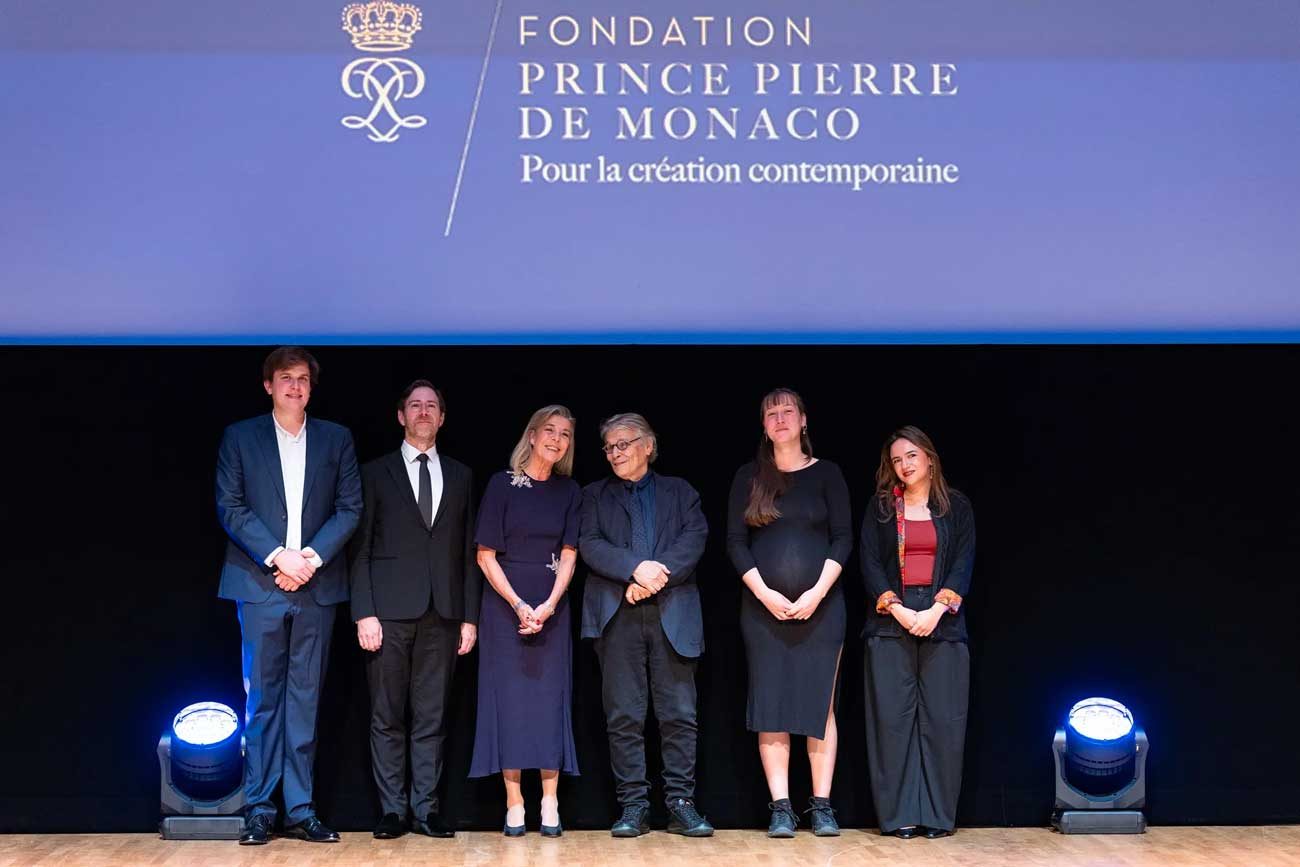
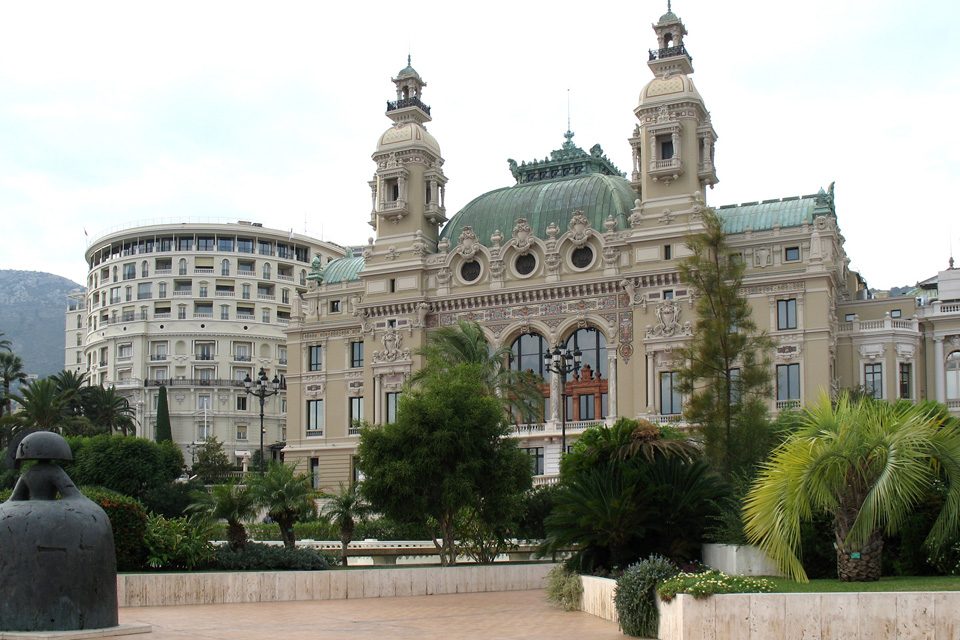
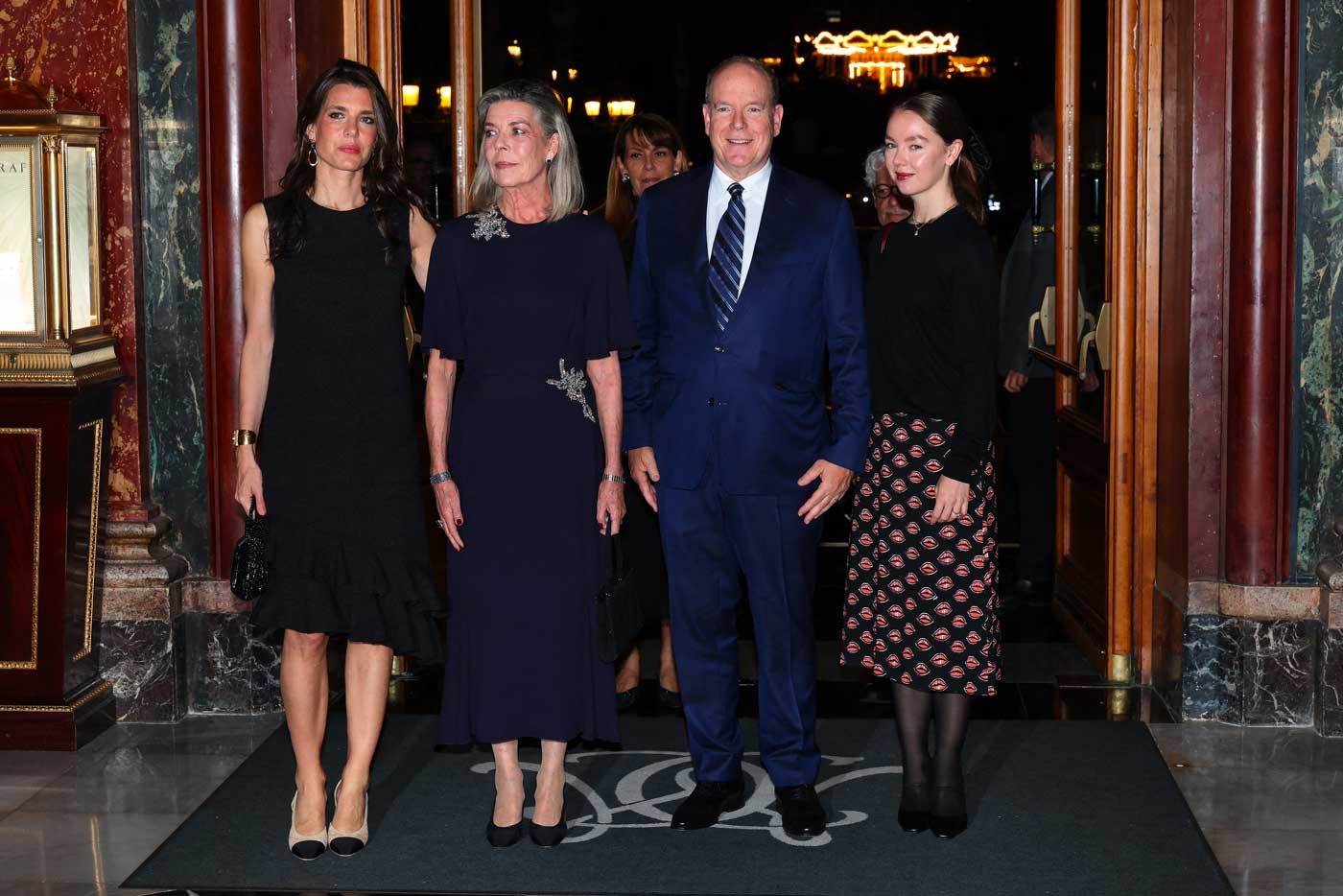
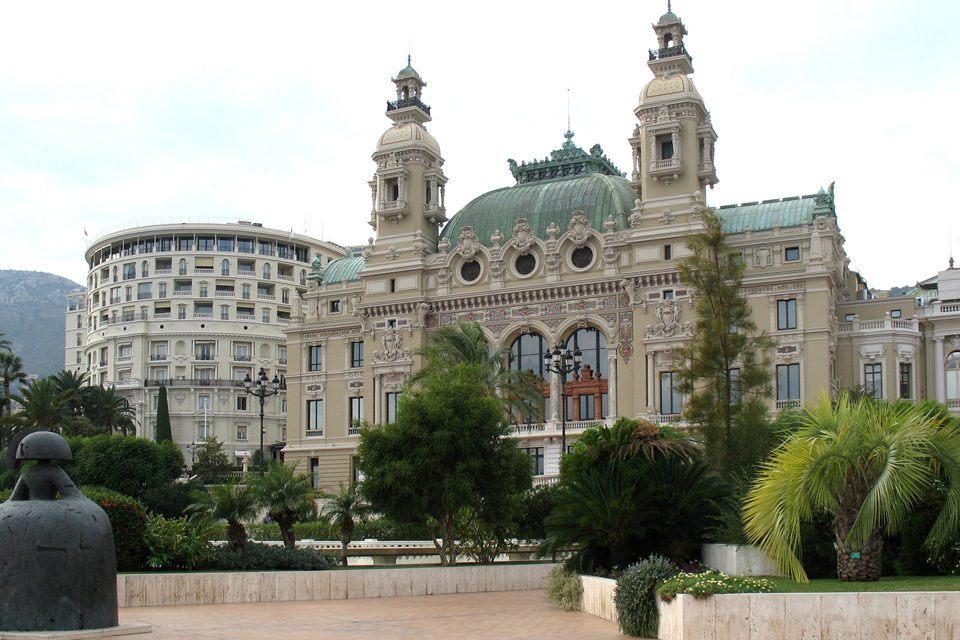
The waiting is the ritual, and this year the ritual took two days. On Tuesday evening, October 13, the laureates of the 2026 Prince Pierre Foundation awards were proclaimed at the Salle Garnier of the Opéra de Monte-Carlo, in the presence of Prince Albert II and of Princess Caroline of Hanover, the Foundation's president. On Wednesday, as Histoires Royales reported, the laureates received their prizes at a second ceremony at the Prince's Palace. Three independent accounts of the edition, in English, French and Italian, agree on every name.
The Literary Prize, the Foundation's senior honour, went to the French novelist Daniel Pennac, recognised for his body of work as a whole. Riviera Radio and MontecarloIN both pointed to the two poles of that work: the Malaussène novels, which made him one of France's most widely read storytellers, and his essay on the pleasure of reading, known in French as Comme un roman. It is a fitting pairing for a prize that has always treated reading itself as part of its subject.
The Discovery Grant, reserved for a first work of fiction, went to Soundouss Chraïbi for her debut novel published by Gallimard, whose French title translates as the sun rises twice. Riviera Radio summarised the book as a Tangier story: a young woman, Layal, returns to her grandmother's home in the woman's final days, and the narrative moves through three generations of women, their family secrets and the expectations placed on them.
The third literary honour belongs to Monaco's own young readers. The Students' Choice Award went to Camille Leyvraz for her debut novel Rouille, published by La Veilleuse. The mechanism is the principality's own: since 2007, as Riviera Radio recalled, secondary school pupils across Monaco have formed a literary jury, reading the selected debut novels, discussing them with their teachers and meeting the authors before choosing their winner. Few literary prizes anywhere hand a decision of this visibility to school students, and fewer still have sustained the experiment for nearly two decades.
Music followed the same pattern of a senior craft judged alongside a young one. The Musical Springboard Prize, the Tremplin Musical, went to Alexandre Jamar for his work alfabet, composed in 2025. The Young Music Lovers' Choice went to David Fulmer for a solo piano composition. That second award, introduced in 2011, is chosen, as Riviera Radio described it, by young people in Monaco's musical education, working with the Rainier III Academy and the principality's education authorities: the Foundation's literary and musical juries of the young mirror each other.
The edition's widest horizon was philosophical. The Principality Prize went to the American philosopher Martha Nussbaum, honoured for her lifetime contribution to philosophy. The award is presented jointly by the Foundation and the Rencontres Philosophiques de Monaco, and Riviera Radio described her field as ethics, human dignity, justice and the role of emotions in public life. Histoires Royales noted that Charlotte Casiraghi, who founded the Rencontres Philosophiques, was present for the Principality Prize, as she is each year.
Sixty years after Prince Rainier III created the Foundation in 1966 in memory of his father, Prince Pierre, the structure of the palmarès remains its argument: a lifetime honoured at the top, a first novel lifted at the base, and, between the two, the principality's school pupils and young musicians exercising real judgement in public. The names change every October. The argument does not.
None to date. The Chronicle corrects errors promptly and transparently. Read our corrections policy.