The automobile as Monaco's national self-portrait
The Grimaldi Forum's summer exhibition gathered some fifty vehicles to tell the story of the car in the principality, from 1893 to today. It was less an exhibition than an autobiography.
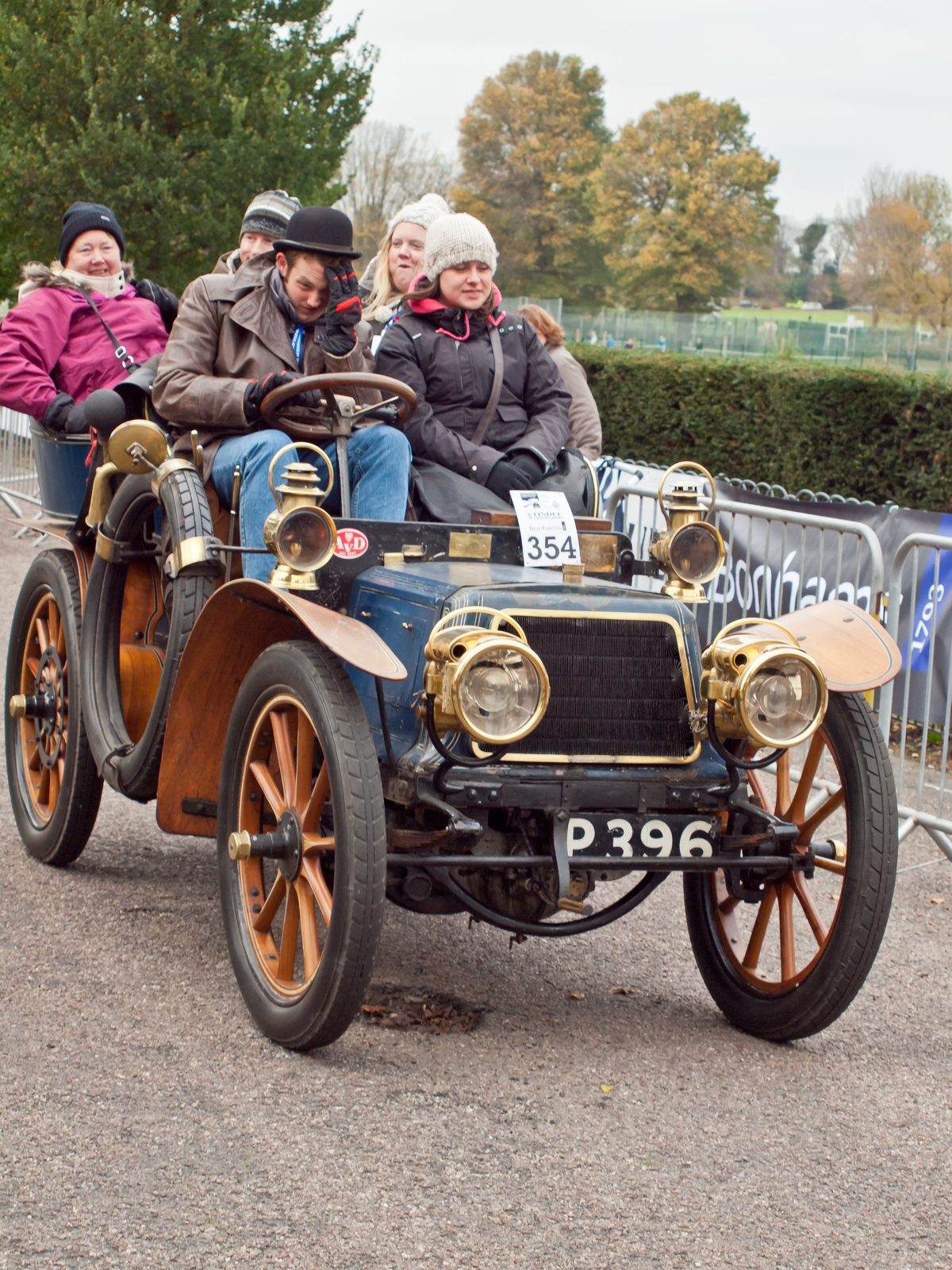
From July 1 to September 6, 2026, the Grimaldi Forum staged an exhibition with an unusually frank title: Monaco and the automobile, from 1893 to nowadays. Some fifty vehicles, gathered under the curation of Rodolphe Rapetti, traced more than a century of the principality's relationship with the car. It was, in effect, the country exhibiting itself.
Few nations can claim the automobile as part of their national identity, and fewer still can document it. Monaco can. The rally culture, the Grand Prix since 1929, the princely family's own collection, the streets that double as a circuit: the car is woven into the principality's public life the way the sea is woven into a port city's. The exhibition simply made the weaving visible.
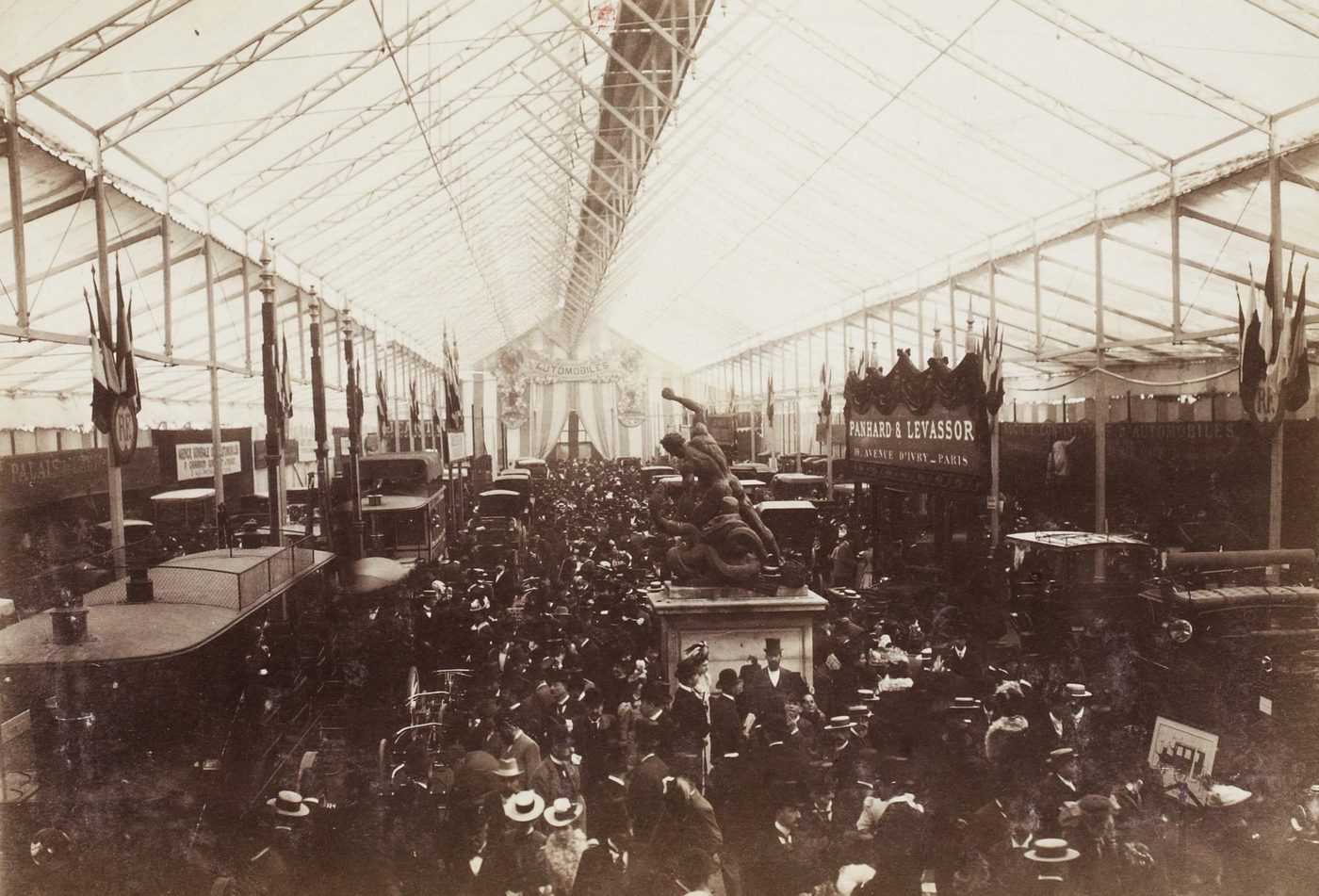
What made the show interesting was its refusal to be only about racing. Fifty vehicles across thirteen decades cannot be fifty racing cars; the story had to include the touring cars, the oddities, the everyday machines that carried Monegasques through the twentieth century. The automobile in Monaco is not only the Grand Prix. It is also the small car parked on the Rock, the delivery van in Fontvieille, the bus climbing to the Exotic Garden. A national portrait needs its background figures.
Rapetti's curation understood this. The exhibition's arc from 1893, the dawn of the automobile age, to the present day is also the arc of Monaco's own modern history: from a small resort town to a sovereign financial and cultural centre, with the car as a constant companion. The vehicles are the medium; the subject is the principality.
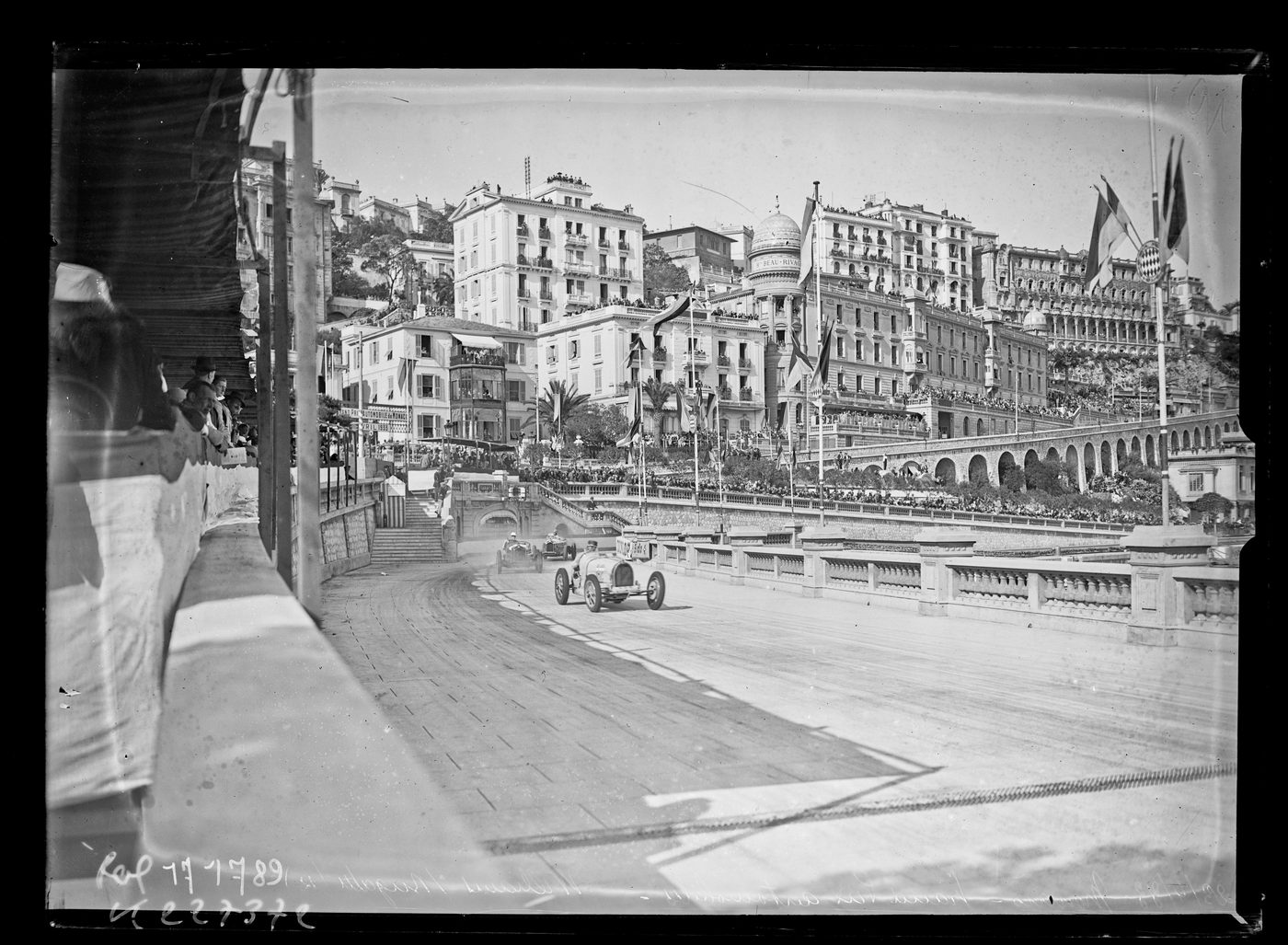
The show closed on September 6. The cars dispersed to their collections and museums. But the argument it made stays on the walls of the memory: in Monaco, the automobile is not a hobby or an industry. It is a mirror. And the principality, which has spent a century perfecting its image, knows exactly what it looks like in one.
None to date. The Chronicle corrects errors promptly and transparently. Read our corrections policy.