Monaco's other palace
On the Rock, facing the sea, stands a second palace: the Oceanographic Museum, founded by a prince-explorer and run for three decades by Cousteau. It may be the principality's most consequential building.
The Prince's Palace looks inland, over the town it has ruled for seven centuries. A few hundred metres away, on the same Rock, a second palace looks outward: the Oceanographic Museum, its neo-baroque facade rising about 85 metres above the Mediterranean. If the first palace is the seat of Monegasque sovereignty, the second is the seat of something the principality values just as highly: its claim on the sea.
The museum was founded by Prince Albert I, the navigator prince whose oceanographic expeditions made him one of the founders of modern marine science. The Institut Océanographique was established in 1906; the museum itself opened in 1910, after eleven years of construction that consumed some 100,000 tons of stone. It was an extraordinary statement for a country of two square kilometres: a temple of science on the cliff, dedicated to the proposition that the ocean was worth knowing.
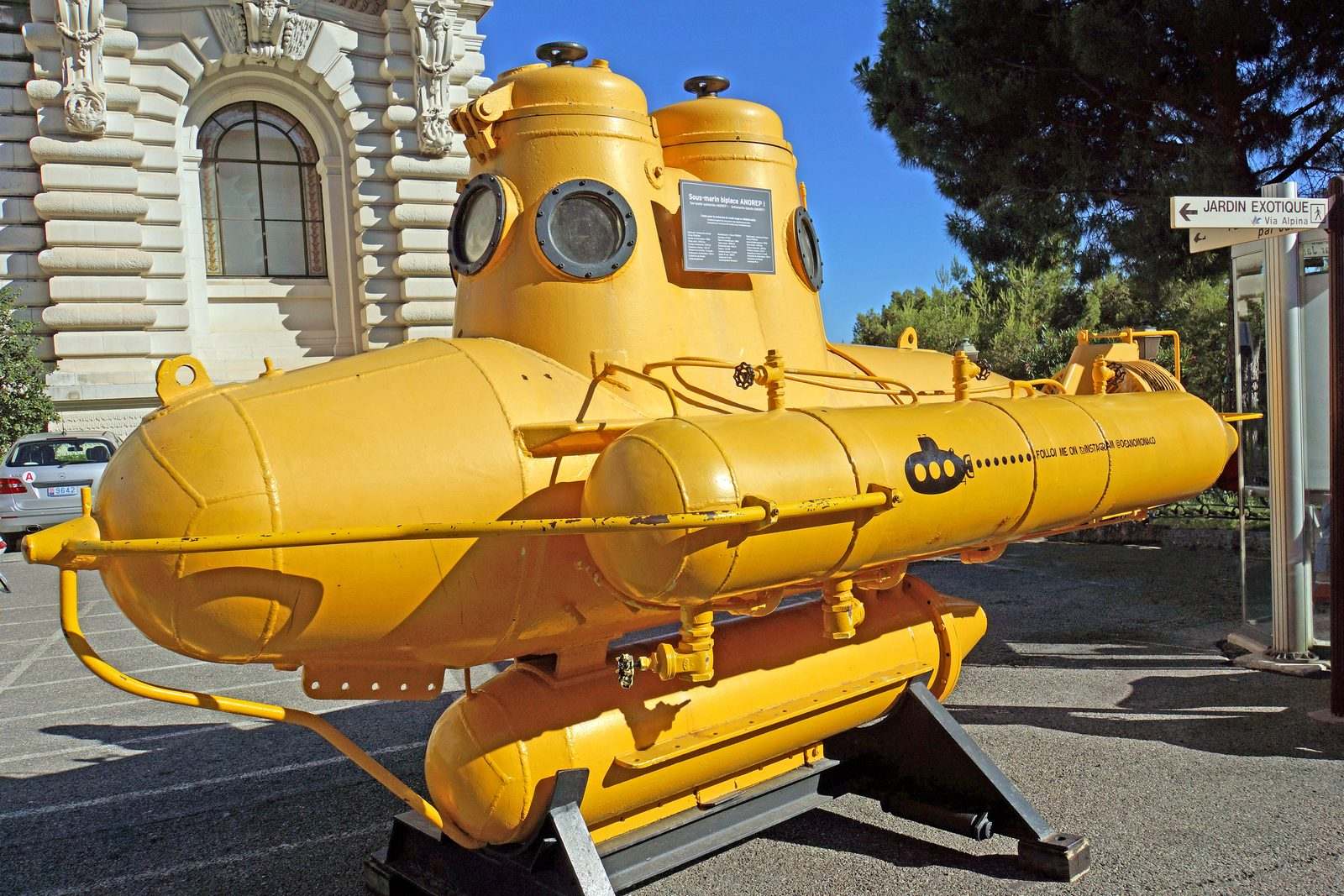
The proposition attracted its greatest champion in Jacques-Yves Cousteau, who directed the museum from 1957 to 1988. Three decades of Cousteau gave the institution a global reputation and a permanent association with the heroic age of underwater exploration. The Anorep I, the two-seater submersible built in 1966 for Mediterranean red-coral research and associated with Cousteau, still sits in the museum's collections: a relic of the years when the deep sea was the last frontier and Monaco was one of its ports.
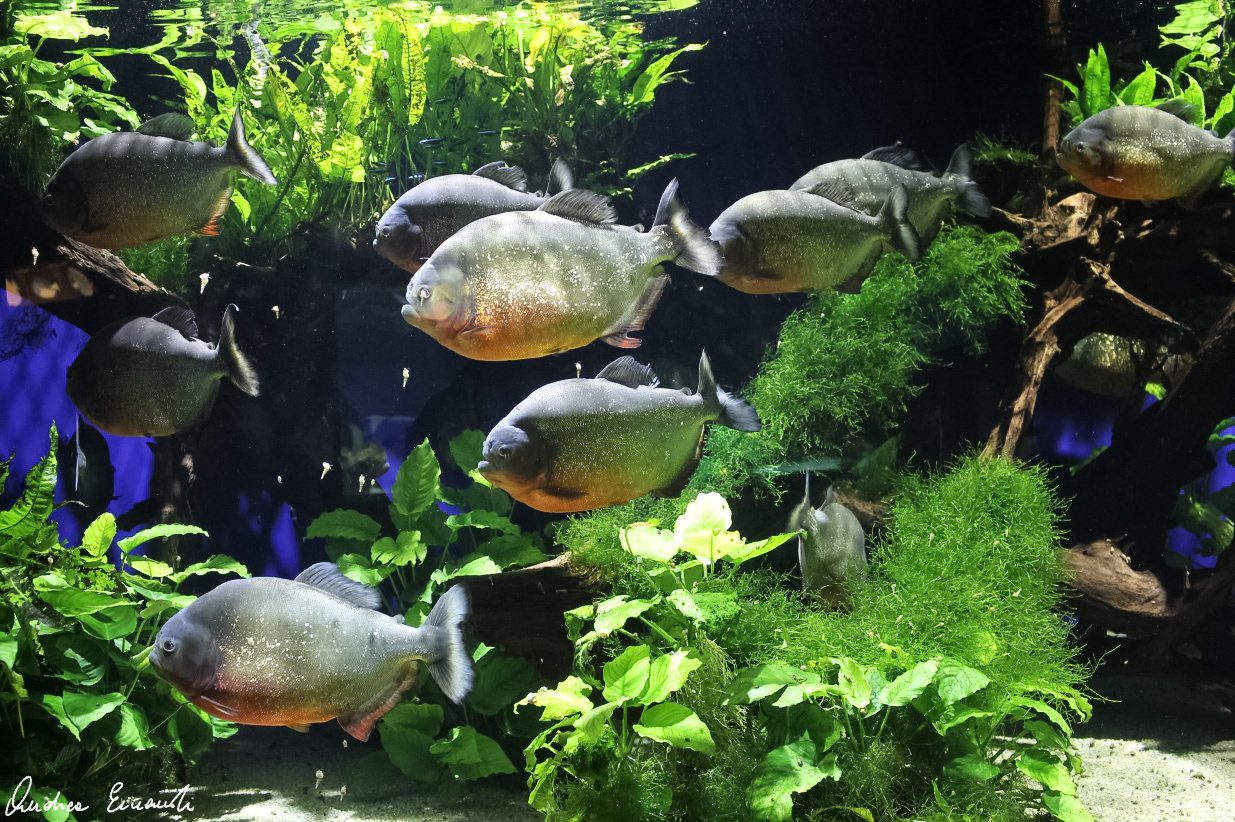
Today the museum welcomes more than 650,000 visitors a year, and its aquarium, with more than 6,000 specimens across some ninety tanks, remains one of the finest in Europe. Its mission, in the institution's own words, is to help people know, love, and protect the oceans. The Polar Mission exhibition alone raised the awareness of more than 1.7 million visitors to the fragility of the polar worlds.
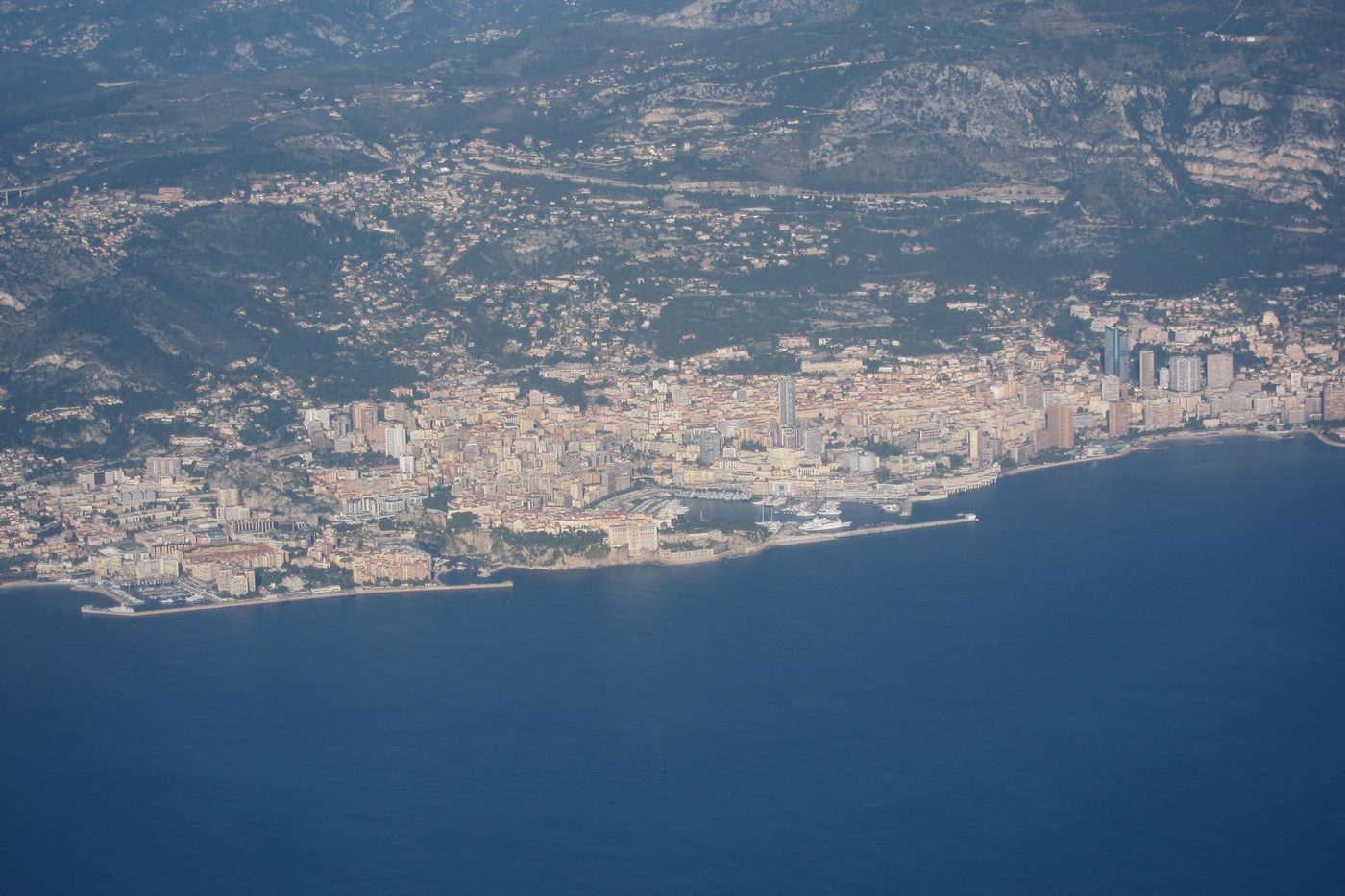
There is a direct line from Albert I's expeditions to the principality's modern environmental diplomacy, and the museum is where that line is drawn in stone. Long before ocean conservation was fashionable, Monaco built a palace for it on the Rock. The casino gets the postcards. The museum gets the future.
None to date. The Chronicle corrects errors promptly and transparently. Read our corrections policy.