Sixty-five medals, and one presented in memory
The annual presentation of Monaco's Physical Education and Sports Medals filled the Salon d'Honneur at Stade Louis II on Tuesday. Among the 65 recipients were a sailor, a tennis organiser, and a seventeen-year-old basketball player who was not there to receive his.
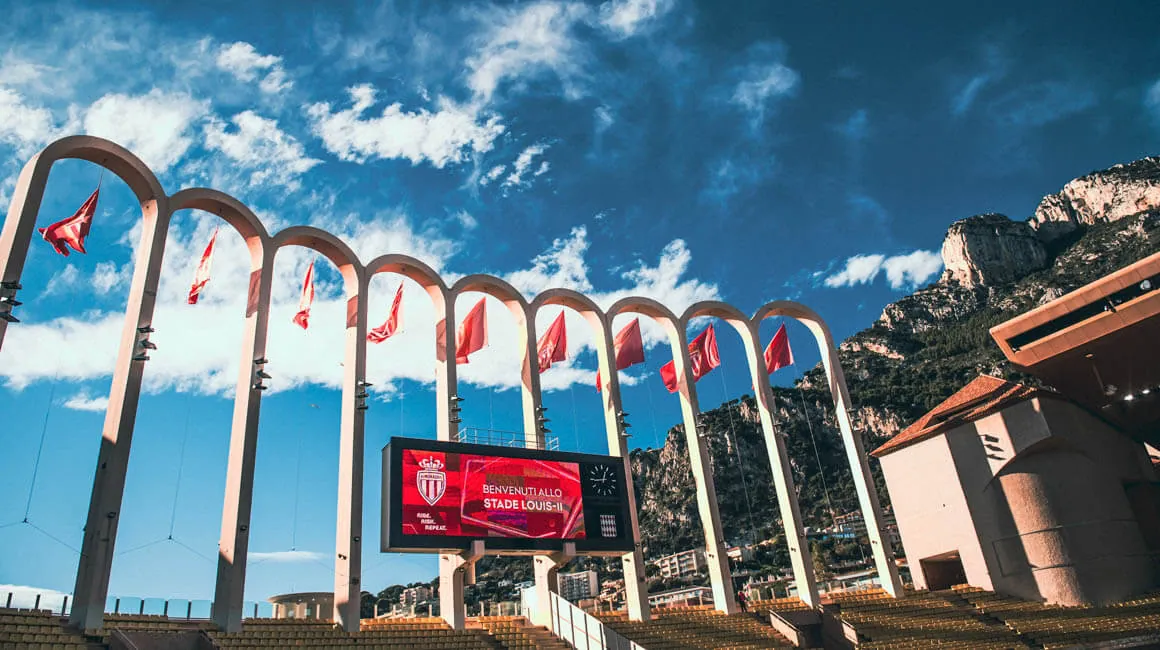
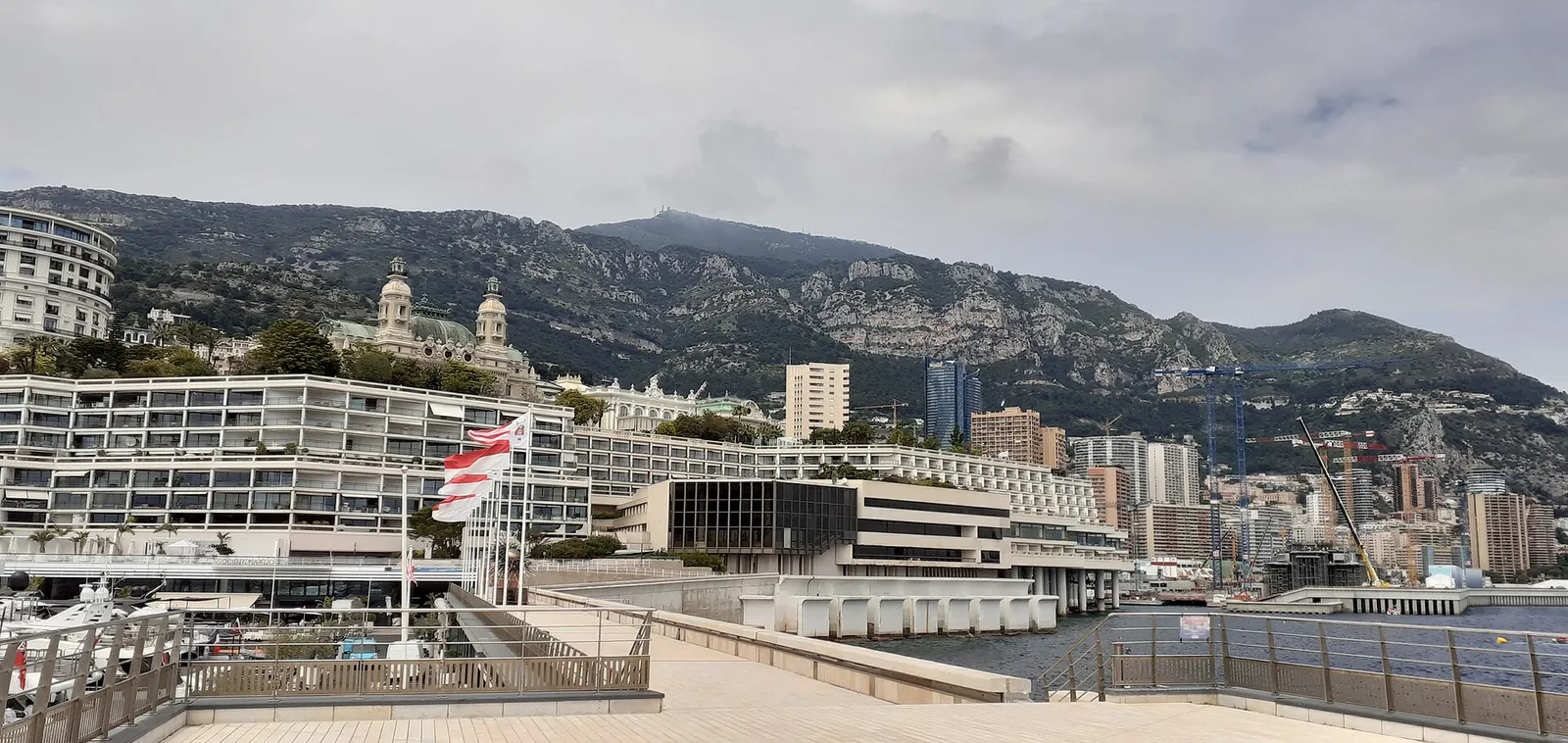
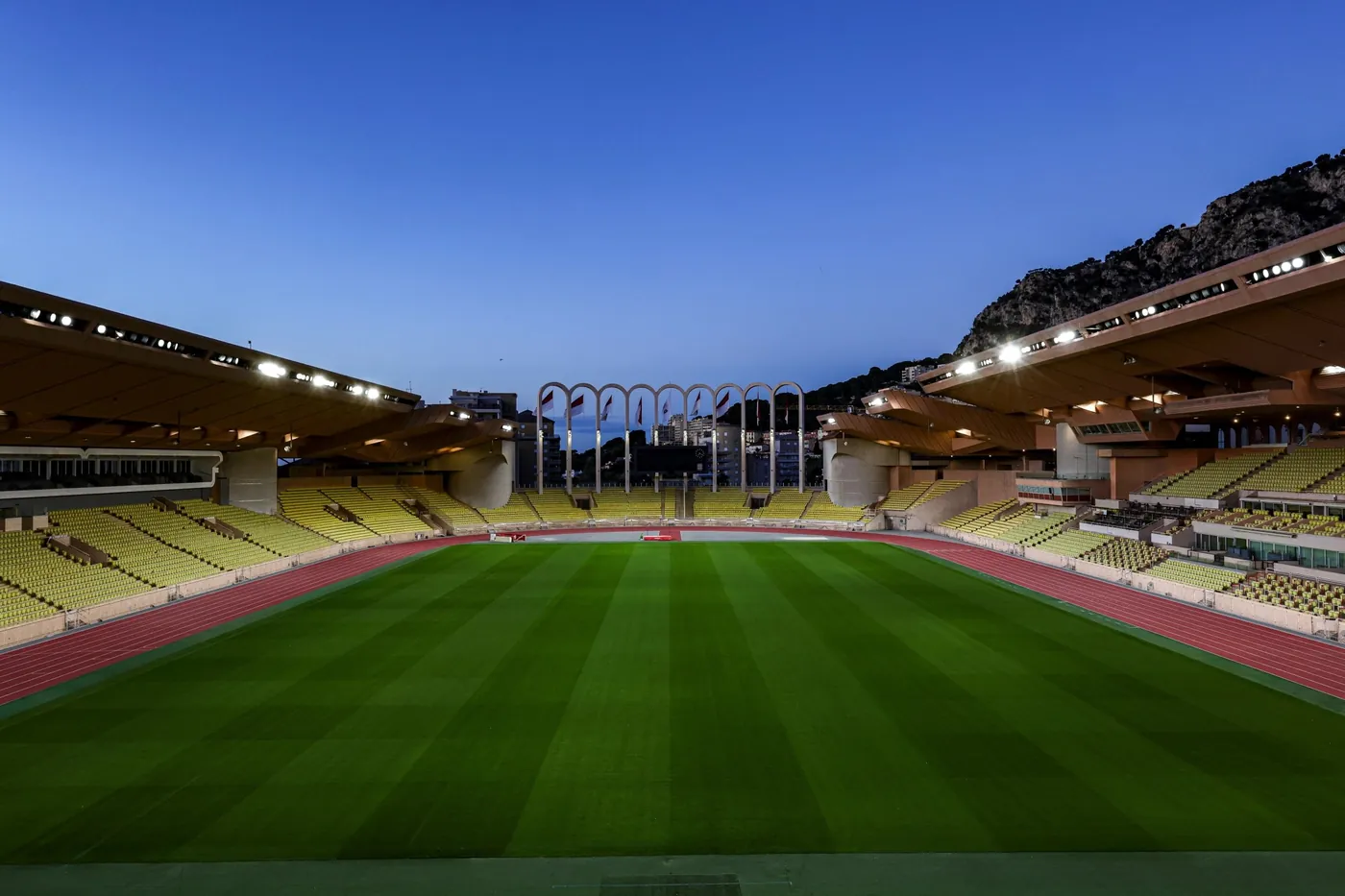
National Day week in Monaco is, among other things, a week of accounting, in which the principality counts the people who carry its name in fields where size is supposed to count against it. Sport had its accounting on Tuesday, in the Salon d'Honneur at Stade Louis II, where Prince Albert II presented the Medals of Physical Education and Sports to 65 recipients, in the presence of Princess Charlene. The two reports of the ceremony, published on Wednesday by Riviera Radio and Monaco Life, agree on the number, the room and the shape of the afternoon: an annual presentation, held as part of the National Day celebrations, recognising achievements in Monegasque sport and the less visible work of developing it.
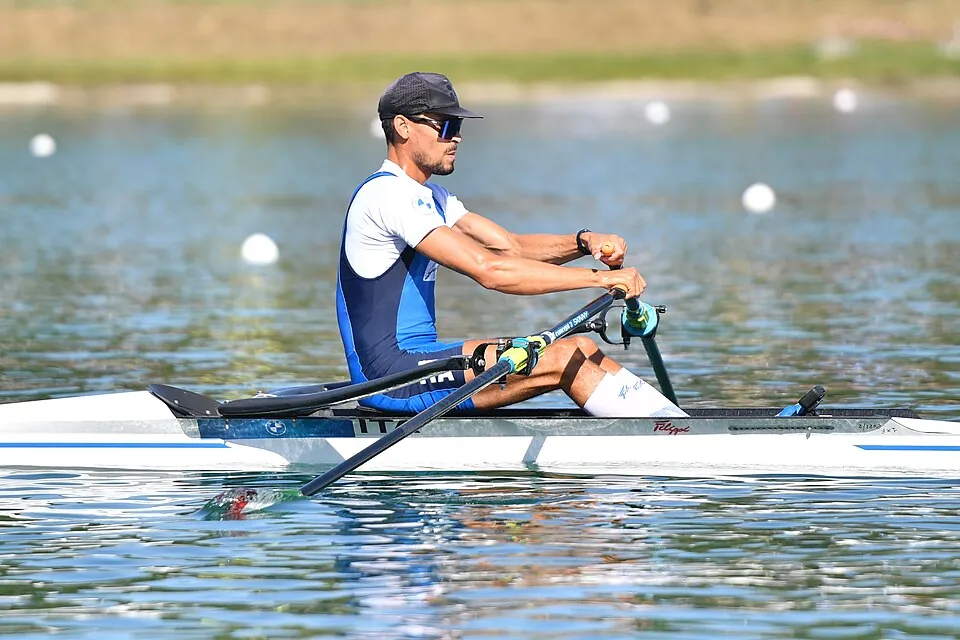
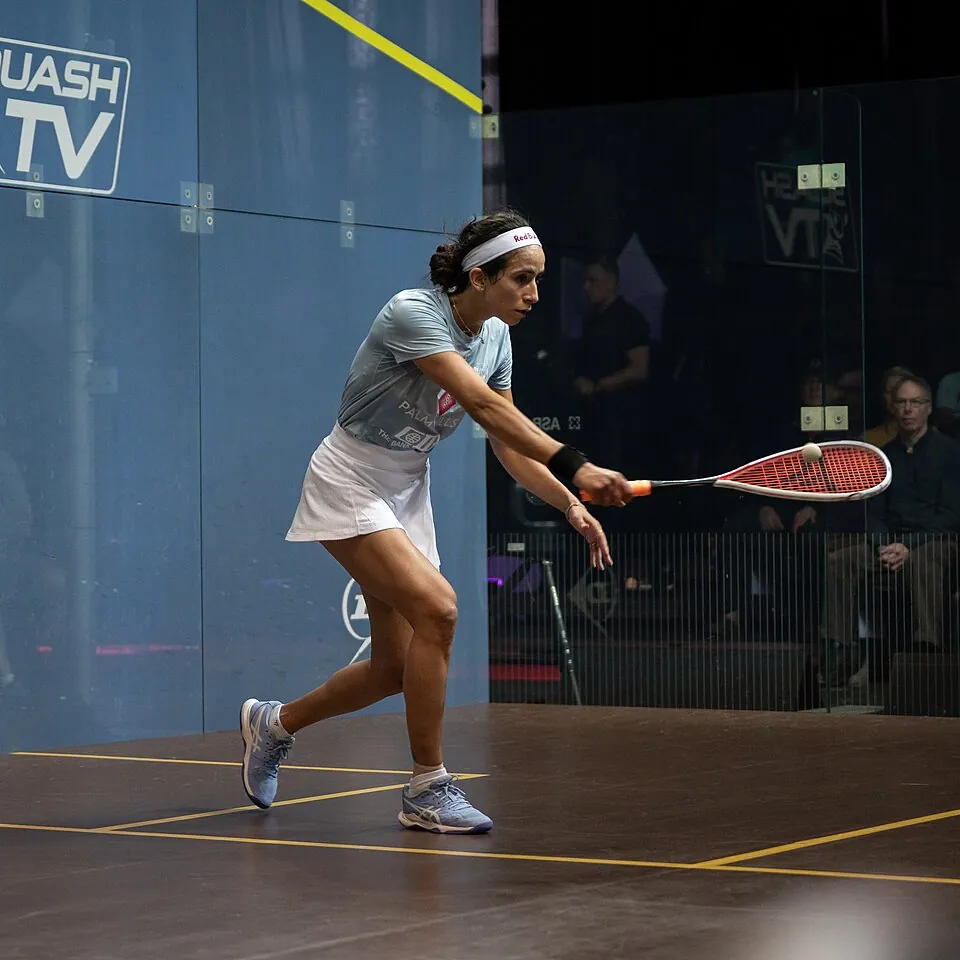
Two of the bronze medals went to names the principality knows well, for work of opposite kinds. Pierre Casiraghi, a son of the Princess of Hanover, was honoured for a sailing record built in top-level international competition, above all his part in the 2025 Admiral's Cup campaign. Mélanie-Antoinette de Massy was recognised for the institutional side of sport: her work developing tennis in the principality and promoting the game, the courts, clubs and calendars that decide whether a small country produces players at all. Between them, the two medals describe the whole of Monegasque sport, the competitor who travels and the organiser who stays.
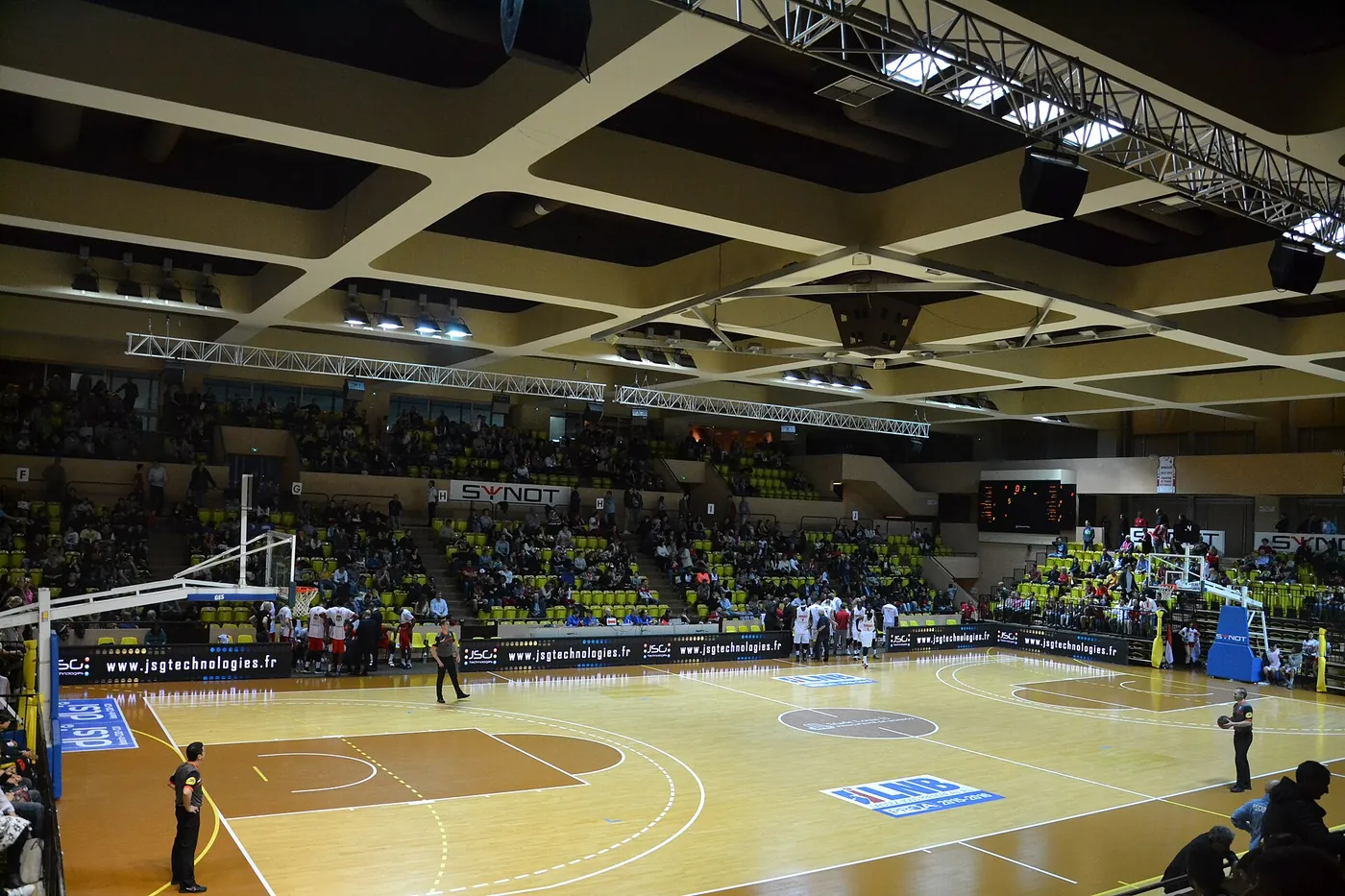
The final medal of the ceremony was not received by its recipient. Lorenzo Renou, a young AS Monaco basketball player, was honoured posthumously, and Prince Albert II and Princess Charlene presented his medal to his mother, Sandrine Renou, who accepted it on his behalf. Monaco Life's report records the circumstances the room already knew: Renou died in a road accident in May 2025, aged seventeen, while travelling home with his teammates after a match, in a minibus crash on the A8 motorway, a death that marked the principality's basketball community deeply. Riviera Radio's account confirms the posthumous award and its presentation as the closing act of the ceremony. No speech is recorded in either report, and none is needed to understand the ordering. The organisers placed the medal last.
What the list of 65 represents, taken as a whole, is the breadth a two-square-kilometre state insists on maintaining: sailing and tennis at its head, basketball in its grief, and behind the named recipients the coaches, officials and volunteers whose contributions the medals exist to record. The government's own honours guidance sets the terms of the award: the medals reward remarkable performance, and equally the slower work of practising and teaching sport year after year, where it builds the principality's sporting life. They come in three grades, bronze, silver and gilded silver, and a bronze normally stands for at least eight years of service. The Medals of Physical Education and Sports are not championship prizes. They are the principality's way of stating, once a year and in the Sovereign's presence, that sport here is a public institution rather than a private pastime, staffed by people whose names are mostly read out once. Today, National Day itself takes over the calendar. Tuesday's ceremony was its quieter prelude, and its most durable image is not a medal at all. It is a mother accepting one, in a hall of honour, for a player who should have been collecting his own.
None to date. The Chronicle corrects errors promptly and transparently. Read our corrections policy.