The tournament that is not quite in Monaco
The Monte-Carlo Masters carries the principality's most famous place name into living rooms around the world. The courts sit across the border, in France. That paradox is the whole point.
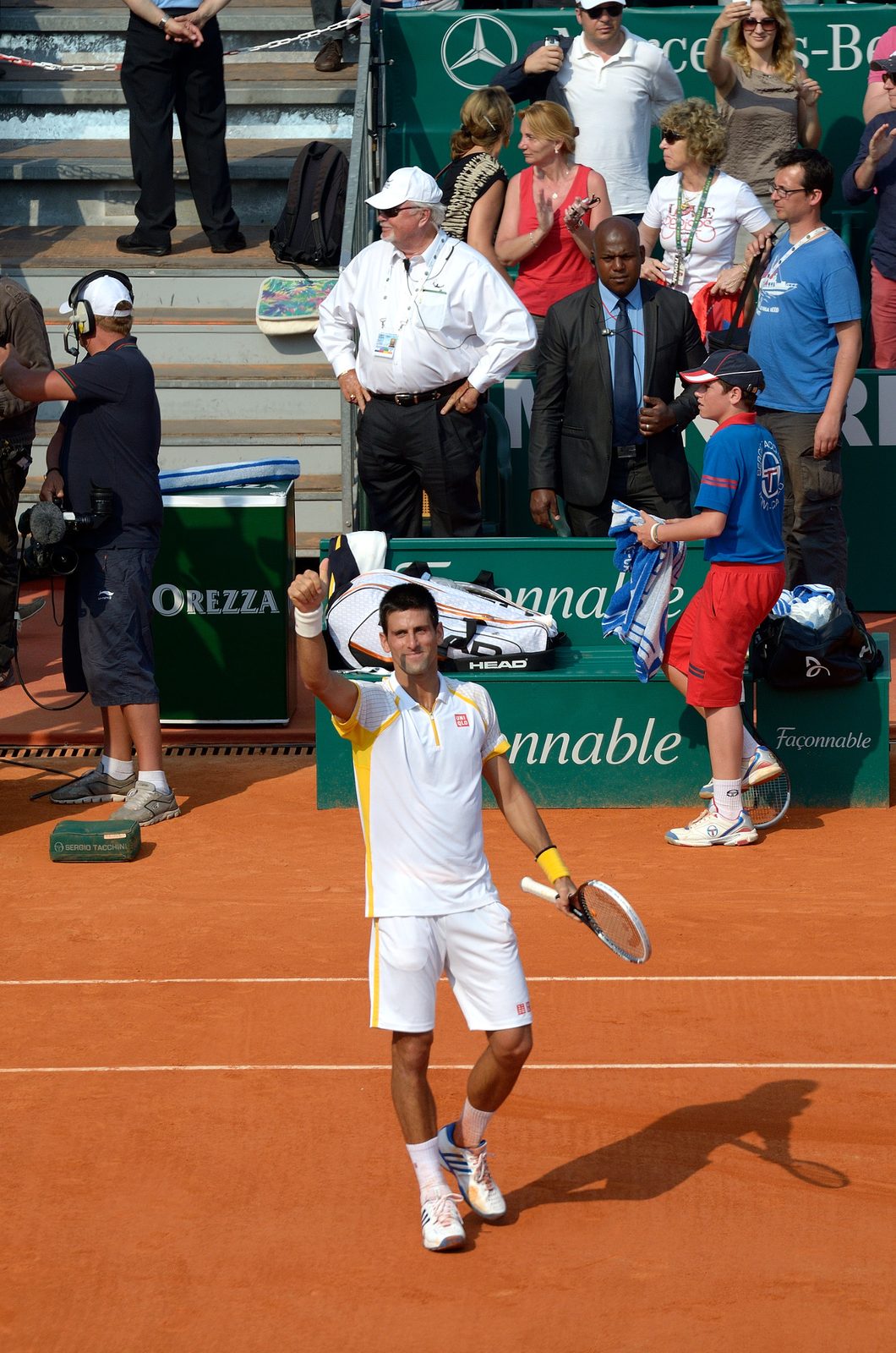
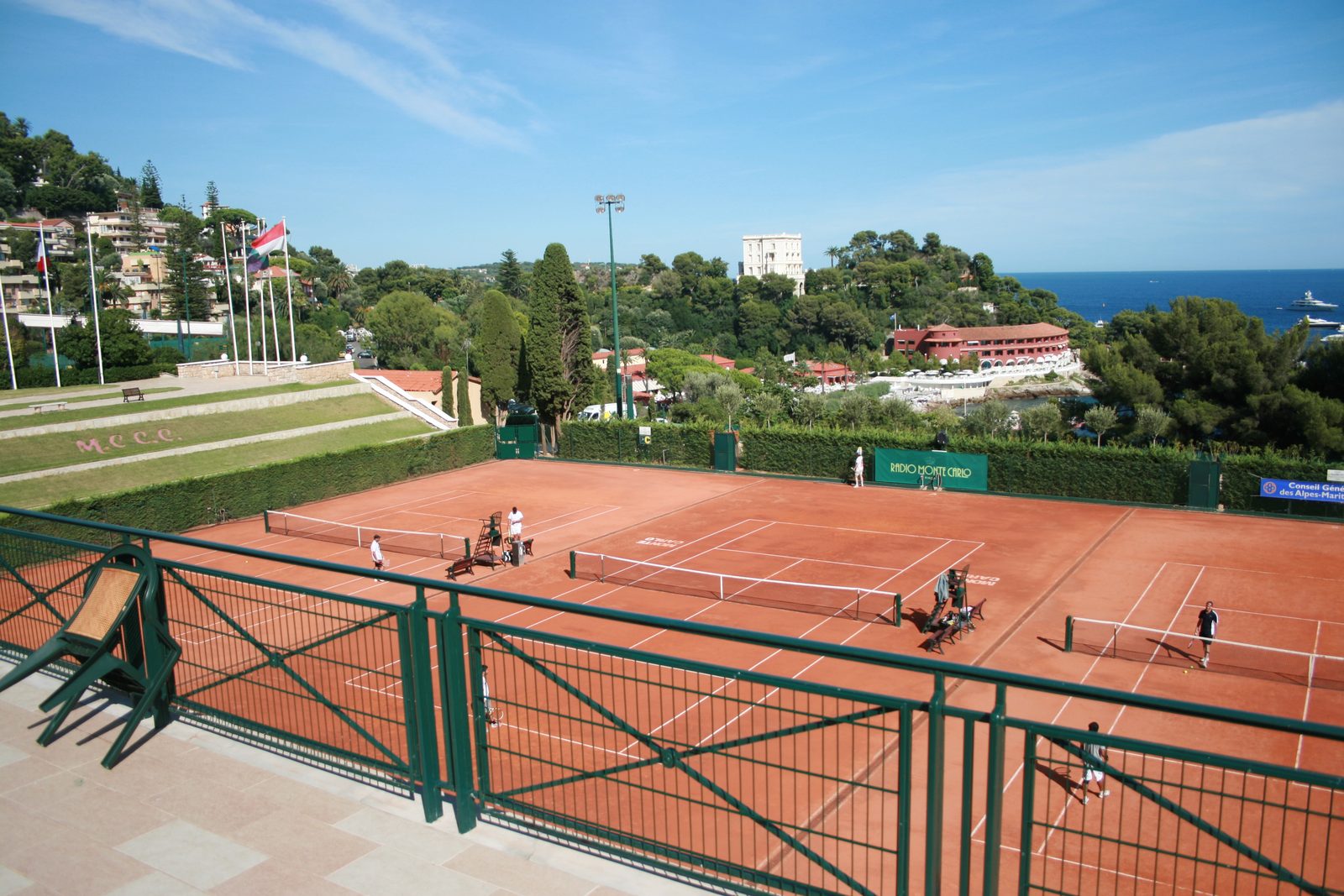
On April 12, 2026, Jannik Sinner defeated Carlos Alcaraz 7-6(5), 6-3 to win the Monte-Carlo Masters. The final was played, as it is every year, on the clay of the Monte-Carlo Country Club. The club is not in Monte-Carlo. It is in Roquebrune-Cap-Martin, France.
This is the tournament's founding paradox, and it has never been resolved because it was never a problem. When the event took shape in the late nineteenth century, the Riviera's resort geography did not respect the principality's borders; neither did its clientele. Monte-Carlo was the name the world knew, so Monte-Carlo became the name on the poster. The courts went where the land was.
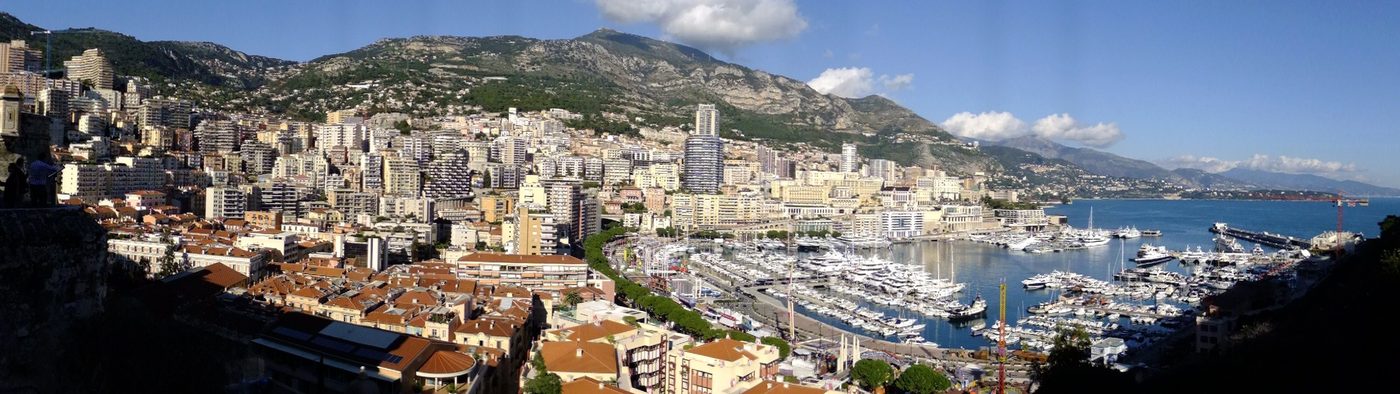
The arrangement has endured for more than a century, which suggests it works for everyone. Monaco gets a world-class sporting event carrying its most marketable place name, broadcast to a global audience, without surrendering a single square metre of its own scarce territory. France gets the economic activity. The ATP gets one of the most beautiful venues in tennis, terraced above the Mediterranean. Borders, in this corner of Europe, are administrative conveniences laid over a single continuous Riviera.
There is something essentially Monegasque about the setup. The principality has always been larger as an idea than as a territory: two square kilometres that contain a casino, a palace, a Grand Prix, and a mythology recognised on every continent. The Masters extends that logic. The name travels; the land stays put. Monte-Carlo the brand long ago outgrew Monte-Carlo the district, and the tournament is the proof.
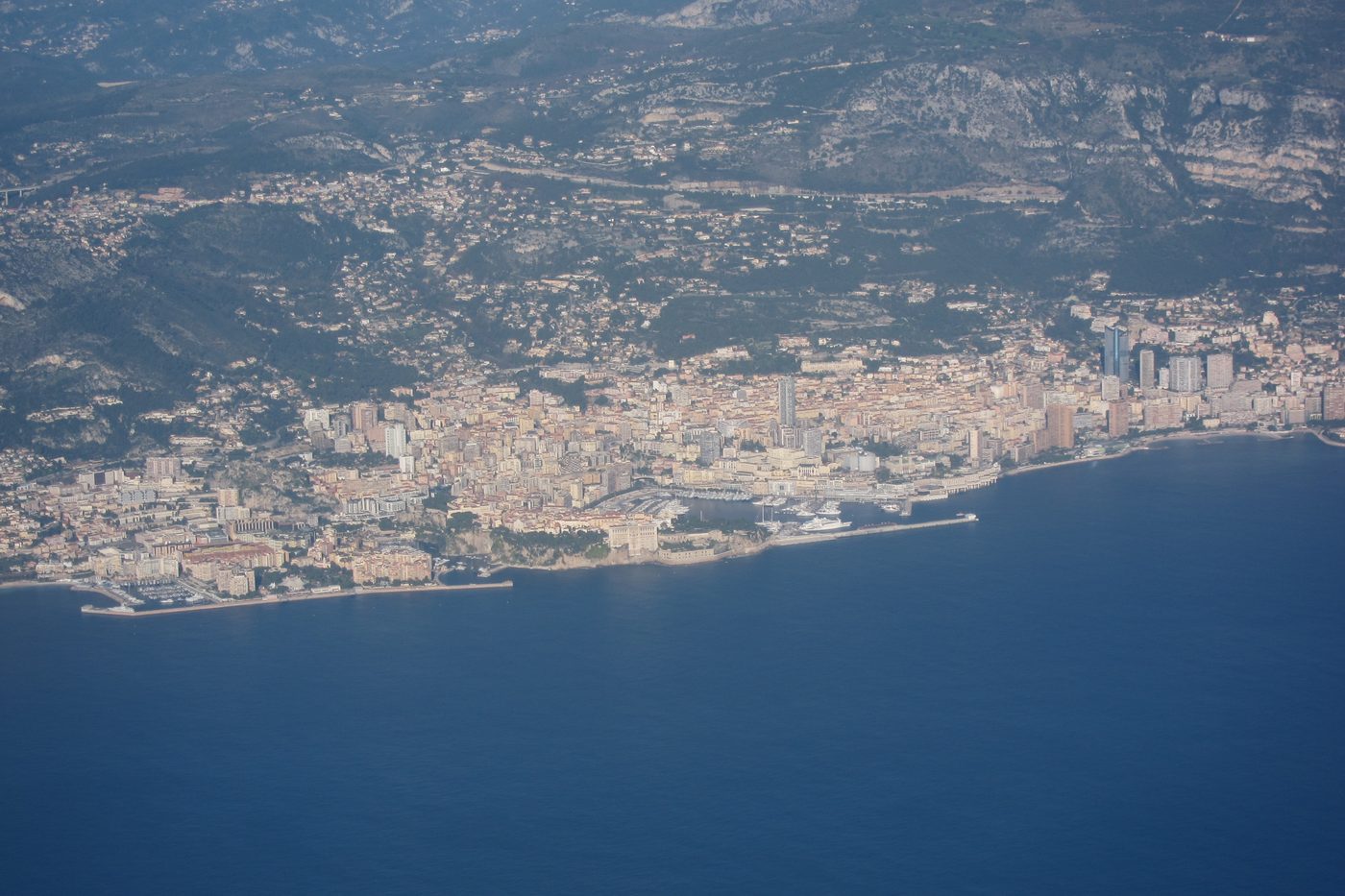
Sinner's victory added the latest line to the roll of honour. But the roll that matters most is the tournament's own: year after year, the world's best clay-court players gather in France to contest a title named for Monaco, and nobody involved finds this strange. On the Riviera, it is simply how things are.
None to date. The Chronicle corrects errors promptly and transparently. Read our corrections policy.