What electric racing changes about racing in Monaco
In May 2026, the street circuit hosted two electric races on consecutive days, with two different winners. The double-header asked a quiet question: what is the Monaco race for, once the engines go silent?
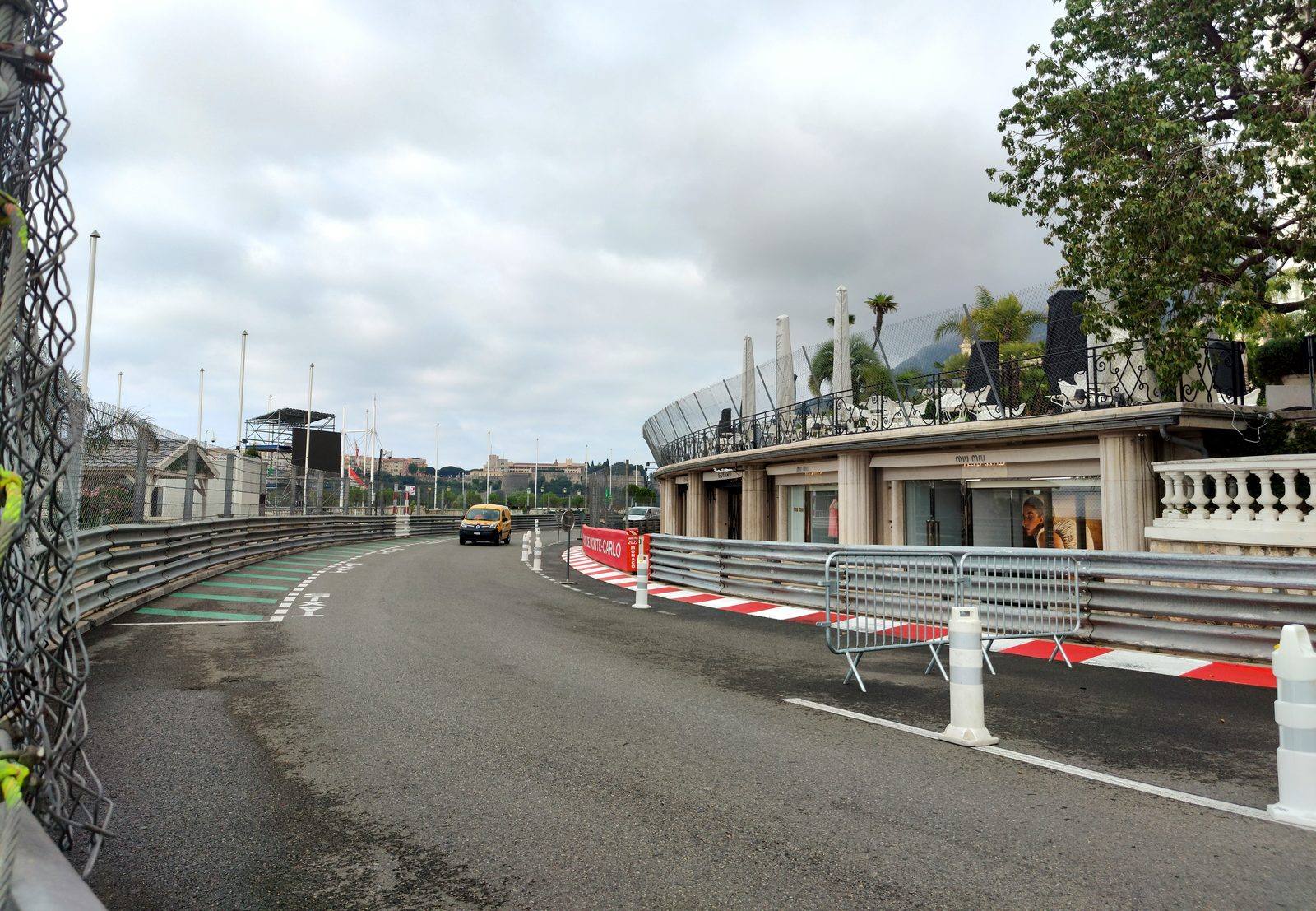
On May 16, 2026, Nyck de Vries won the Monaco E-Prix. On May 17, Oliver Rowland won it. Two races, two winners, one street circuit, no engine noise. The Formula E double-header has become a fixture of the principality's racing calendar, and it poses a question the Grand Prix never has to ask: when the cars make no sound, what exactly is the spectacle?
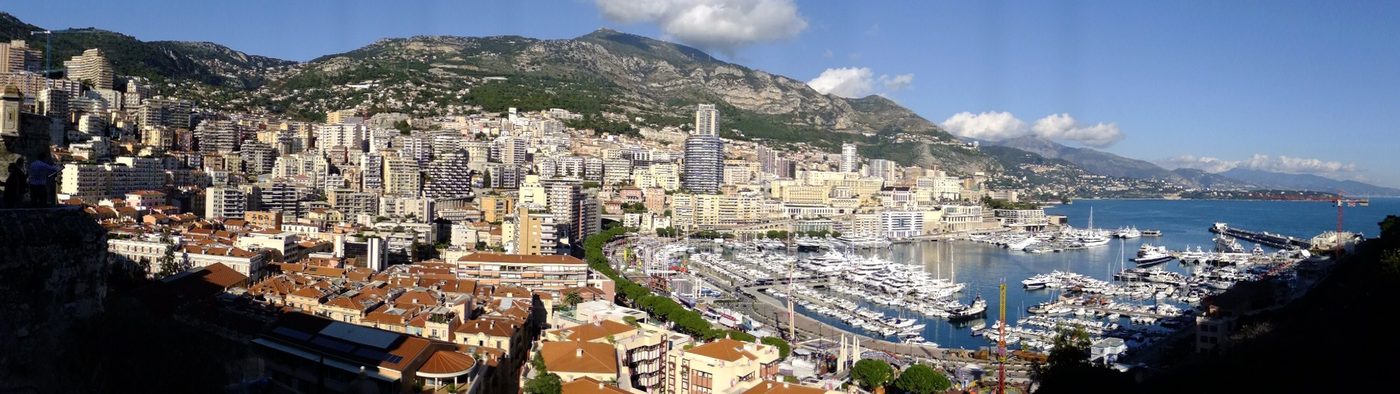
The answer, it turns out, is the place. The Monaco street circuit is perhaps the only venue in world motorsport where the track is itself the attraction: the climb past the casino, the descent to the harbour, the tunnel. That geography works in silence. The grandstands still fill, the yachts still moor, the television pictures still sell the same dream. The electric cars are quieter, but the circuit is not quieter about being Monaco.
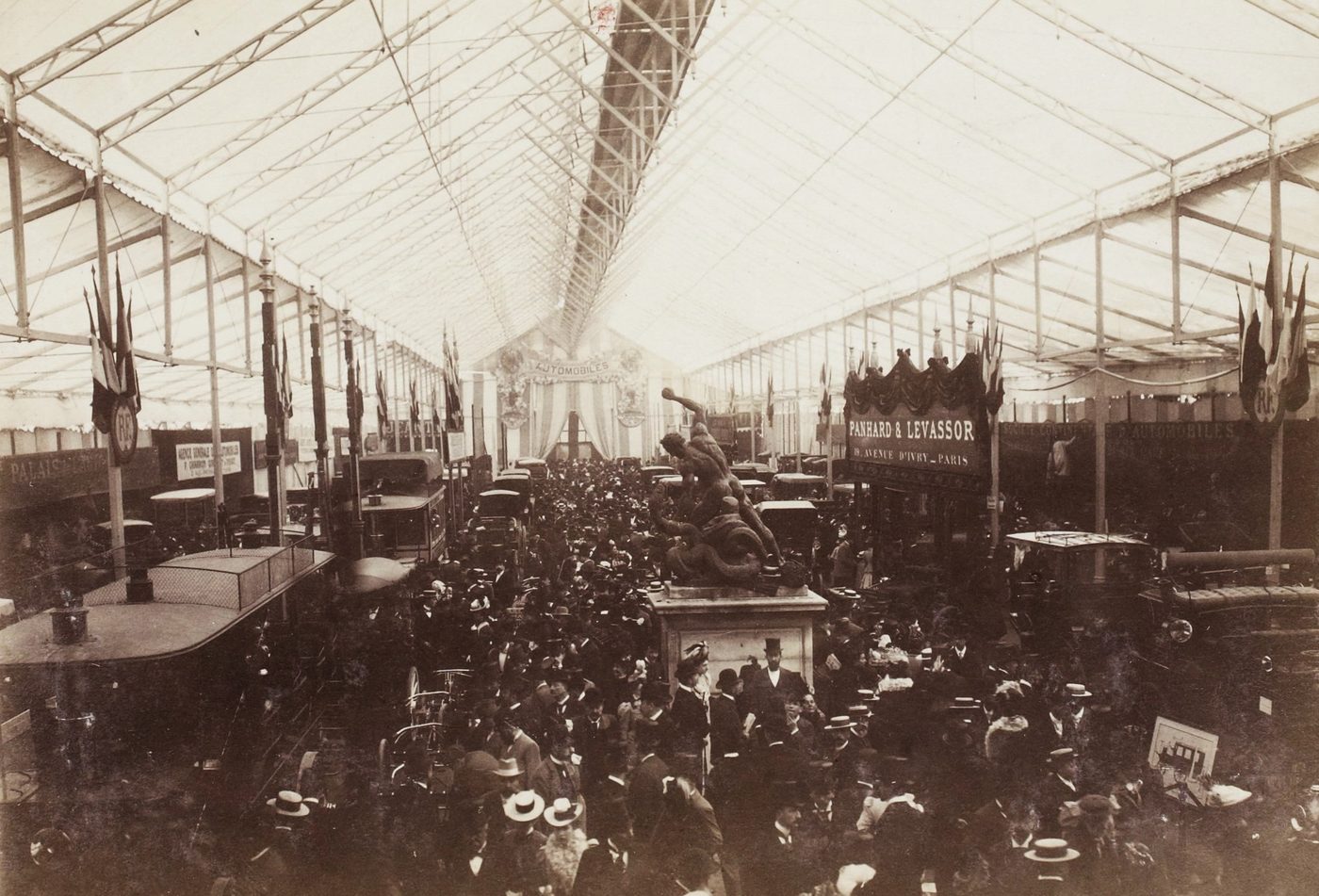
There is a deeper continuity at work. Monaco's relationship with the automobile predates the internal combustion engine's dominance and will outlast it. The principality hosted its first motor race in 1929, but its affair with the car as an object of desire, as a marker of status, as a moving part of the Riviera theatre, is older still. Formula E slots into that affair without friction: the car remains a luxury object; only the drivetrain has changed.
The double-header format matters too. Two races in two days doubles the event's footprint on the calendar without doubling its disruption; the circuit is built and dismantled once. For a principality that must weigh every event against the daily life of 38,857 residents, efficiency of spectacle is a real consideration.
De Vries and Rowland will not be remembered the way Grand Prix winners are. That is not the point. The point is that Monaco now hosts the future of racing on the same streets that host its past, and the streets do not seem to mind. The circuit is indifferent to what powers the cars. It only asks that they come.
None to date. The Chronicle corrects errors promptly and transparently. Read our corrections policy.