A record year, at a slower pace
IMSEE's annual report puts Monaco's 2025 GDP at 10.6 billion euros, a record and a fifth consecutive year of growth. But growth adjusted for inflation eased to 1.7 percent, and the story of the year is a changing of the guard: the building boom ended, and property and finance carried the principality instead.
Monaco's economy set a record in 2025 and slowed down in the same year. The annual GDP report published by IMSEE, the principality's statistics institute, on Wednesday puts gross domestic product at 10,597.1 million euros, up 294.2 million euros, or 2.9 percent, in current prices. Adjusted for inflation, growth was 1.7 percent, a fifth consecutive year of expansion but a sharp easing from the 8.8 percent recorded a year earlier. The level is the highest the principality has reported. The pace is the gentlest of the current run.
What the economy is made of changed more than how much of it there is. Financial and insurance activities remain the largest single source of wealth, generating 1.8 billion euros, or 17.4 percent of GDP, with the year's growth there coming from higher pay, particularly in banking. Specialised, scientific and technical activities, the legal services and company headquarters sector, held steady at 1.6 billion euros for a third year running, a 15.4 percent share. Together with hospitality and the group covering health, education and public administration, the four largest sectors account for 52.7 percent of all the wealth created in the principality.
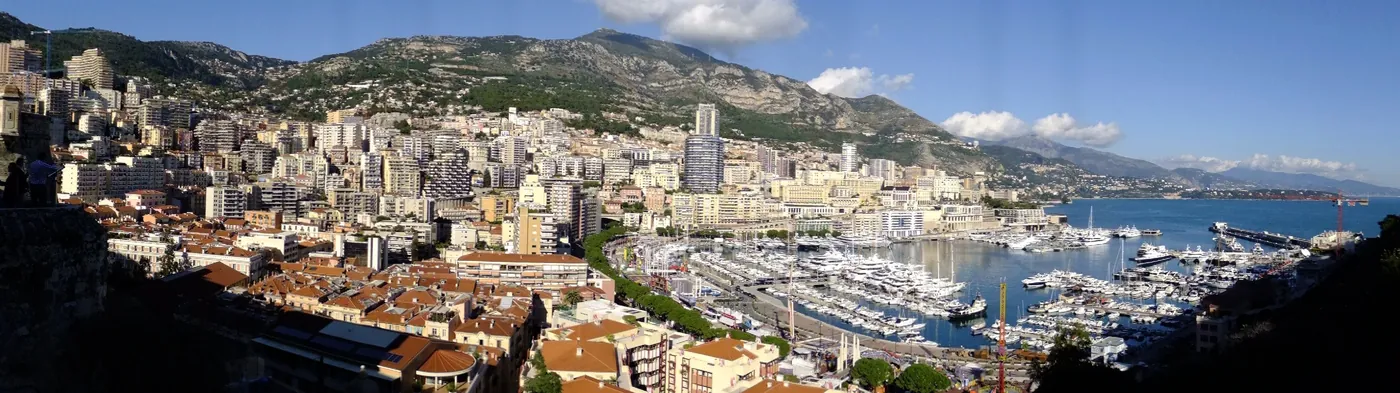
The riser of the year was real estate. After growing by 26.8 percent in 2024, the sector's contribution rose by a further 41.2 percent in 2025, to 1.2 billion euros, making it the third-largest part of the economy at 11.3 percent. IMSEE notes that the surge was driven mainly by the results of a single property development company, a reminder of how much weight one balance sheet can carry in a two-square-kilometre economy. Hospitality, the sector most visitors ever see, grew by 9.0 percent on restaurant results and higher hotel pay, and now represents 8.6 percent of GDP, up from 6.1 percent a decade ago.
The slowdown has a named cause, and it is the end of a building cycle. IMSEE links the more modest result to the completion of several large construction projects, the same completion wave that pulled total business turnover down by 7.6 percent and private sector employment down by 1.3 percent across the year. Wealth created by construction itself fell by 26.5 percent, concentrated among residential and non-residential builders, and administrative and support services shrank by 7.1 percent as demand for temporary workers, which had surged during the building activity of 2024, fell away with it. Foreign trade also contracted, falling 4.8 percent in value. In all, eight of the fourteen main sectors grew in 2025, two were stable and four declined, with arts, sport and recreation down 17.2 percent on weaker results at three sports organisations.
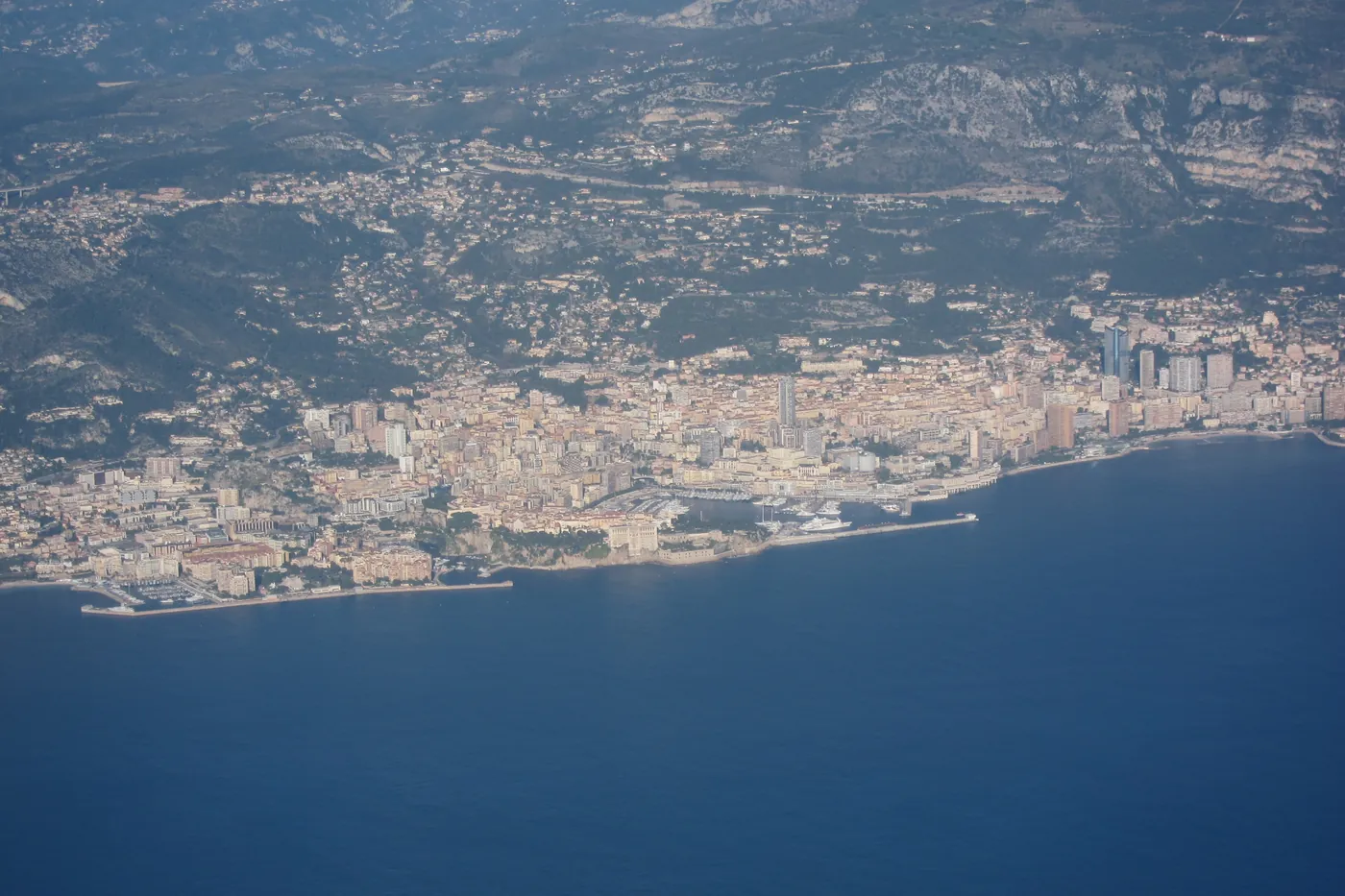
Measured the way Monaco measures it, by income, the year looks calmer than the growth rate suggests. Company operating surplus remains the largest component, above 5 billion euros after rising 4.6 percent in current euros. Employee pay rose 3.1 percent to more than 4.5 billion euros even though the combined public and private workforce shrank by 0.9 percent. Taxes on production fell 4.1 percent to 1.4 billion euros, which the institute attributes largely to lower turnover reducing VAT receipts, while government subsidies rose 2.1 percent to 513.3 million euros, more than double their level of a decade ago.
The per head figures carry their usual Monegasque complication. GDP per capita reached 110,669 euros, up 1.9 percent in real terms, but the institute calculates it against an adjusted reference population of 95,755 rather than the 38,857 residents counted in the census, because most of the workforce lives elsewhere: of 65,117 active employees, 87.4 percent live outside the country. GDP per employee rose 2.6 percent after inflation to 162,739 euros. Two cautions travel with the report. The institute has recalculated every sector figure under a new classification of business activities that came into force on 1 January 2026, so the sector results cannot be compared with those in its earlier reports. And on the decade view the slower year changes little: real GDP has grown 51.3 percent since 2016, against 27.8 percent worldwide, 13.2 percent in the eurozone and 11.4 percent in France. Monaco in 2025 was not an economy shrinking back. It was an economy between building booms, carried for a year by the property it had already built and the money it manages.
None to date. The Chronicle corrects errors promptly and transparently. Read our corrections policy.