The Grand Prix as Monaco's commercial engine
One weekend a year, the principality converts global attention into hotel nights, gaming revenue, and rental income. The resort group's record annual results show the scale of the machine the race feeds.
Every year, the streets of the principality are rebuilt as a racing circuit, and every year the principality is rebuilt as something else: a machine for converting attention into revenue. The Monaco Grand Prix is the oldest street race in Formula 1 and the most commercially concentrated weekend in Monaco's calendar. To understand what it is worth, look not at the race but at the company that harvests it.
The Société des Bains de Mer, the resort group that operates the Casino, the Hôtel de Paris, and much of the Golden Square, reported revenue of €861.6 million for its 2025-2026 fiscal year, with operating income of €86.6 million and net income of €112.9 million. The hotel segment contributed €443.1 million, gaming €259.6 million, and rental, the property arm, €156.5 million. These are the three engines of the Monaco fantasy, and the Grand Prix is the weekend when all three run at full power.
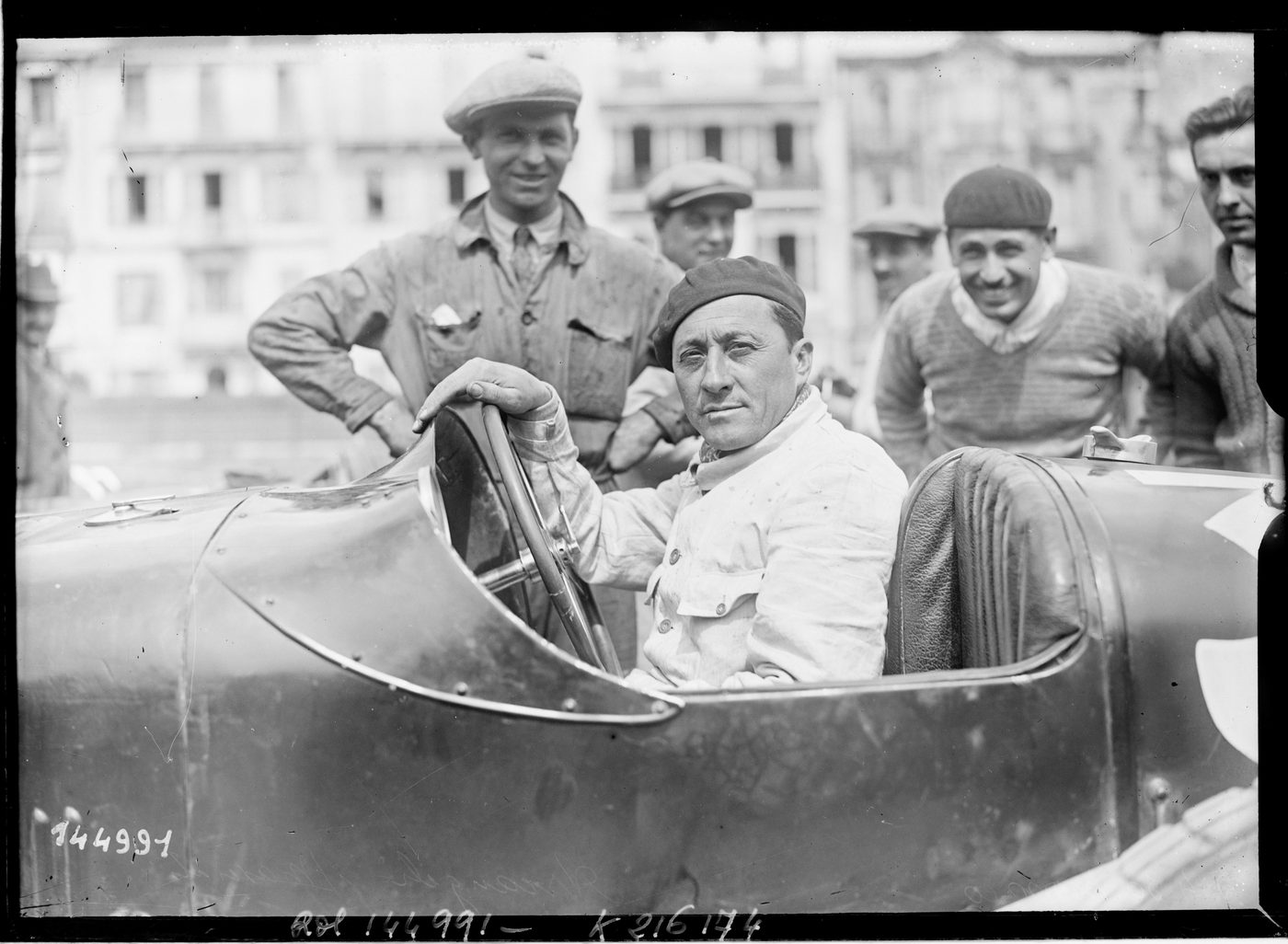
Consider the mechanics. A Grand Prix brings tens of thousands of visitors to a country with about 38,000 residents and a small hotel stock. Rooms that exist nowhere else, overlooking a circuit that exists nowhere else, command prices that exist nowhere else. The restaurants fill, the casino fills, the terraces fill. The race is the reason; the revenue is the result. No other single event in the principality compresses this much spending into this few days.
This is why the Grand Prix matters more to Monaco than to almost any other host. Most circuits are destinations for a weekend; Monaco is a destination that happens to host a race. The circuit runs past the casino, the hotels, and the harbour, which means the event's backdrop is the product being sold. Television pictures of the race are, in effect, a two-hour advertisement for the principality, broadcast to a global audience, renewed annually, and paid for by someone else.
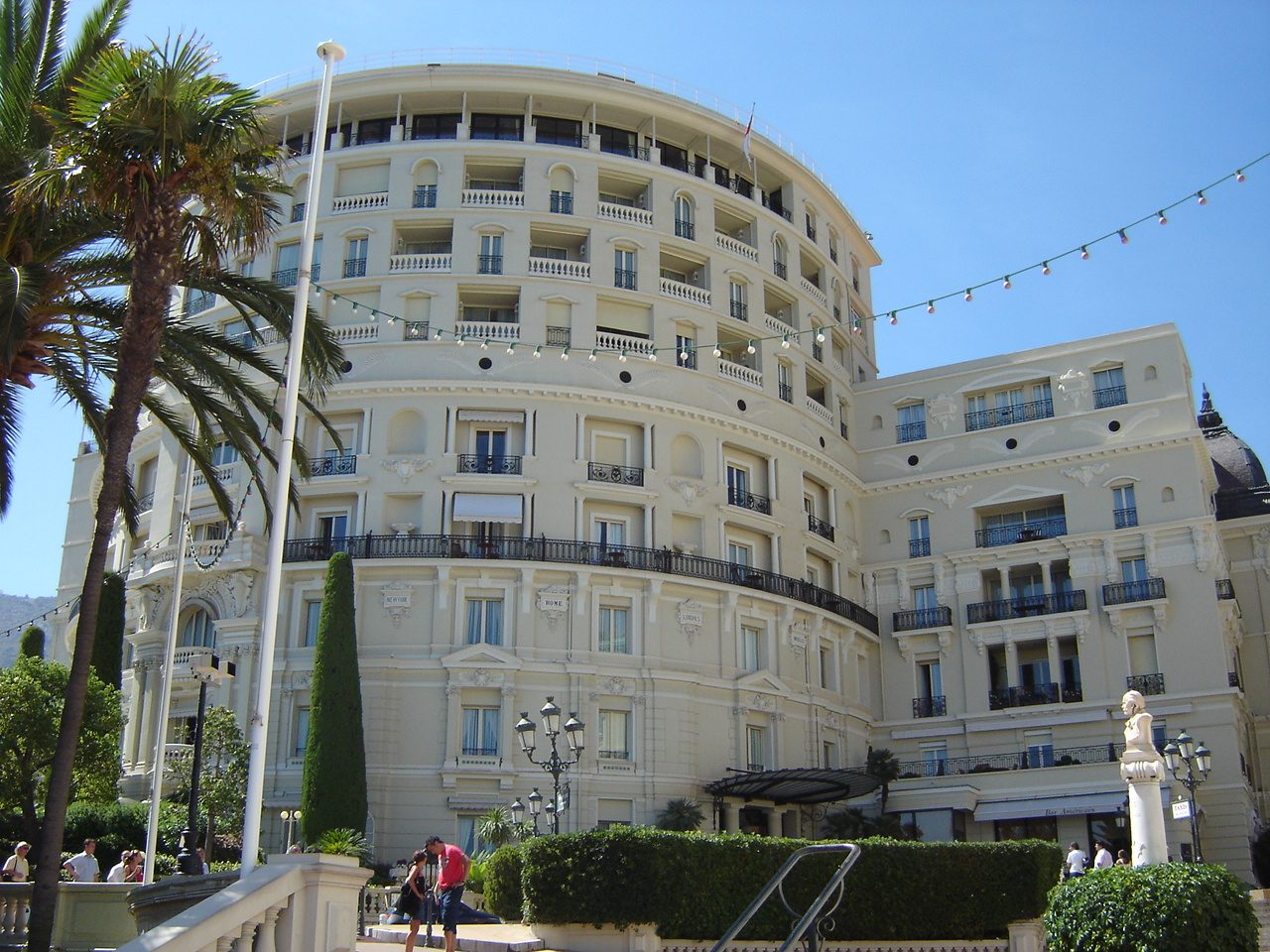
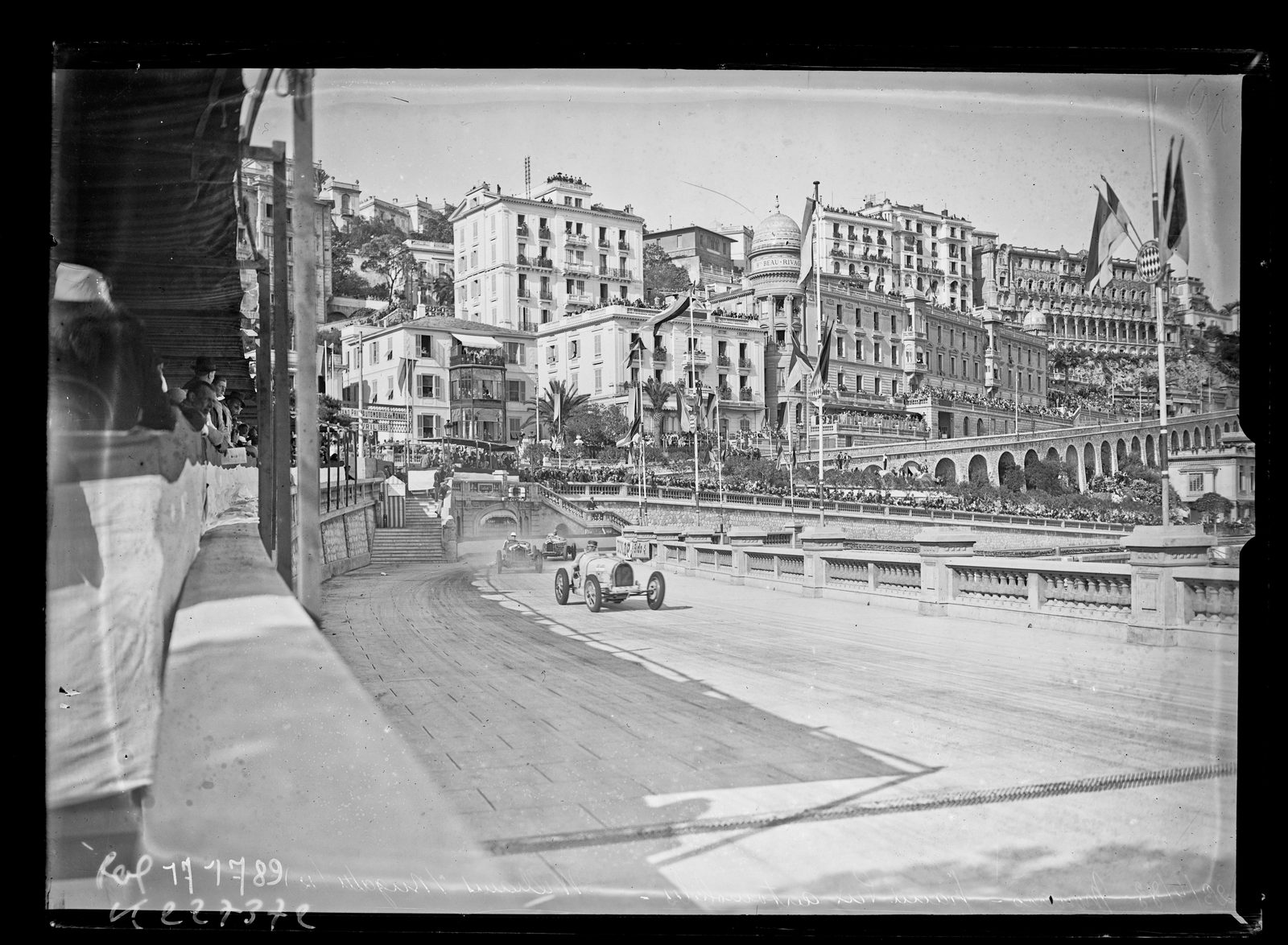
The arrangement is nearly a century old. The first Monaco Grand Prix was run in 1929, and the photographs from the 1930s show a circuit that is recognisably the same one used today: the climb to the Casino, the plunge to the harbour, the tunnel. That continuity is the commercial asset. Scarcity again: there is one Monaco, one street circuit through a casino square, and it cannot be replicated.
The 2026 race, run in June, added its chapter to that continuity. But the durable story is not who won. It is that the winning, whoever does it, takes place inside an economic structure that Monaco has spent a century perfecting: attention in, revenue out, with the principality taking its share at every step from the grandstand to the gaming table.
None to date. The Chronicle corrects errors promptly and transparently. Read our corrections policy.