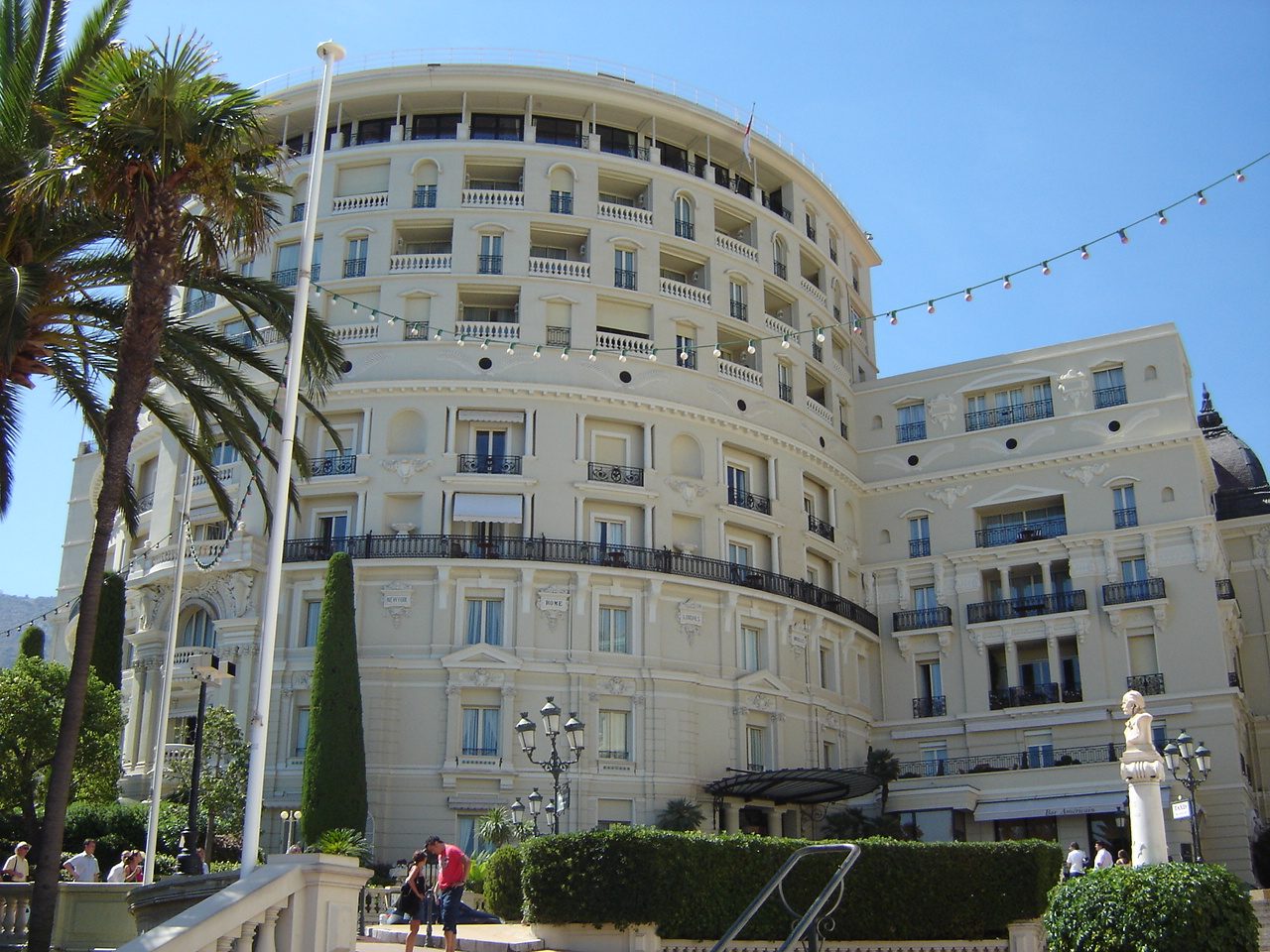
Six hectares and the price of new land
Inaugurated in December 2024, Mareterra added six reclaimed hectares, about 3% of Monaco's territory, to the principality. It is the most ambitious answer yet to the country's oldest question: where do we put the future?
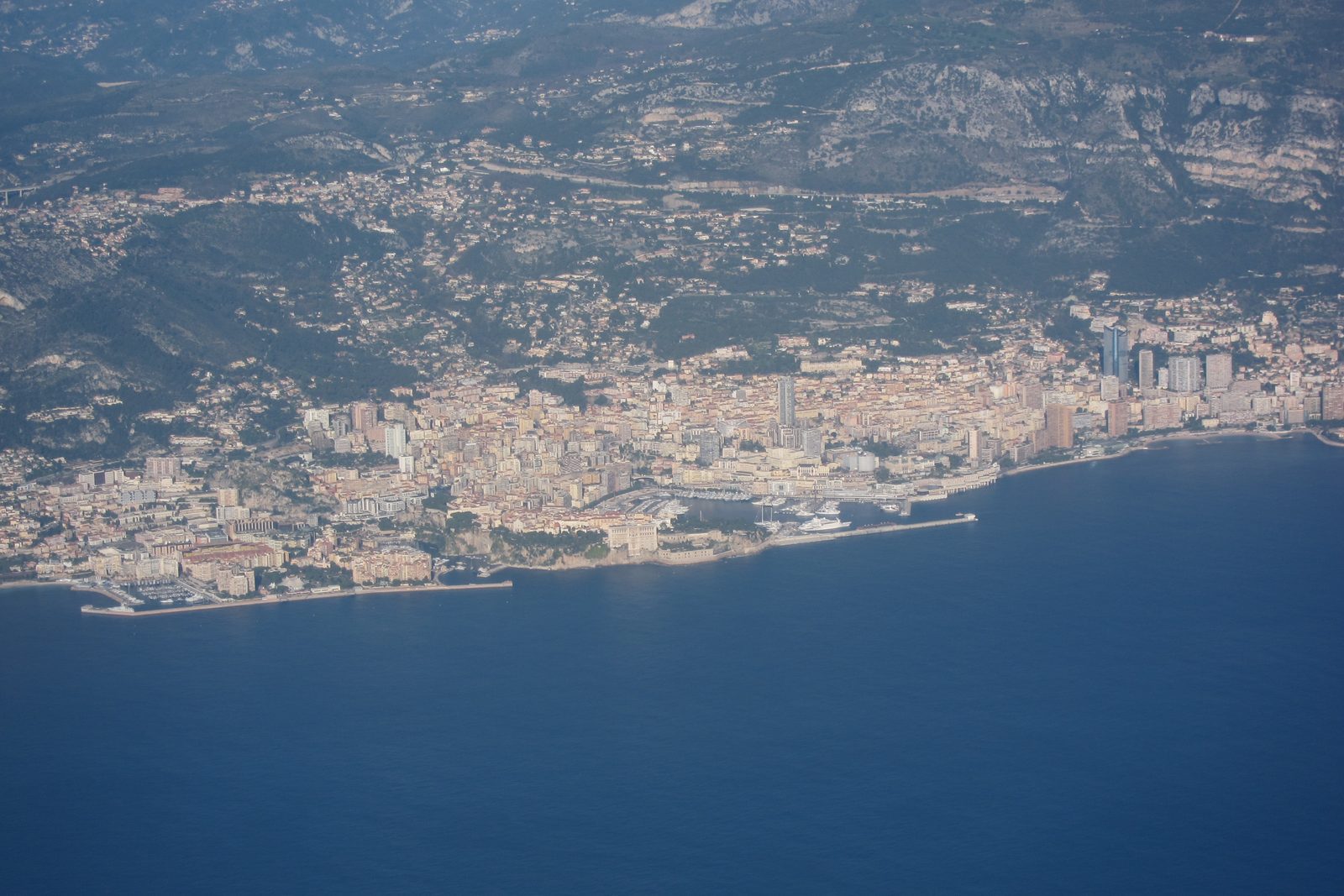
On December 4, 2024, Monaco inaugurated six new hectares. Mareterra, the eco-district built on land reclaimed from the Mediterranean, opened to the public the following day: a new neighbourhood of residences, parks, a marina, shops, and public waterfront, designed in part by Renzo Piano and Valode & Pistre. Six hectares is not large. In Monaco, it is about 3% of the country.
To grasp what that means, consider the arithmetic of the principality. Monaco's territory is so small that a single district can move the national total by percentage points. Land reclamation is the only way the country grows, and each reclamation is a national event: debated, engineered, and finally inaugurated like a small independence day. Mareterra is the latest in a line that stretches back more than a century, and the most architecturally ambitious of them all.
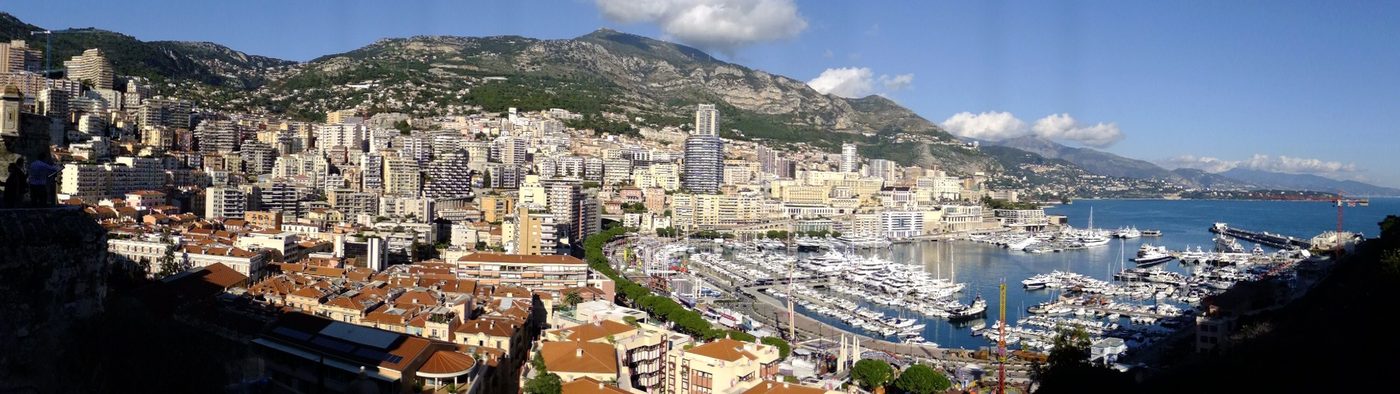
The district's design reflects what Monaco has learned about building on water. The emphasis, in the published plans, falls on public space: the waterfront promenade, the parks, the marina are not afterthoughts to the luxury residences but the framework around which the residences are arranged. This is both urbanism and politics. In a principality where every square metre is contested, a new district must justify itself to Monegasques as well as to buyers, and public waterfront is the justification.
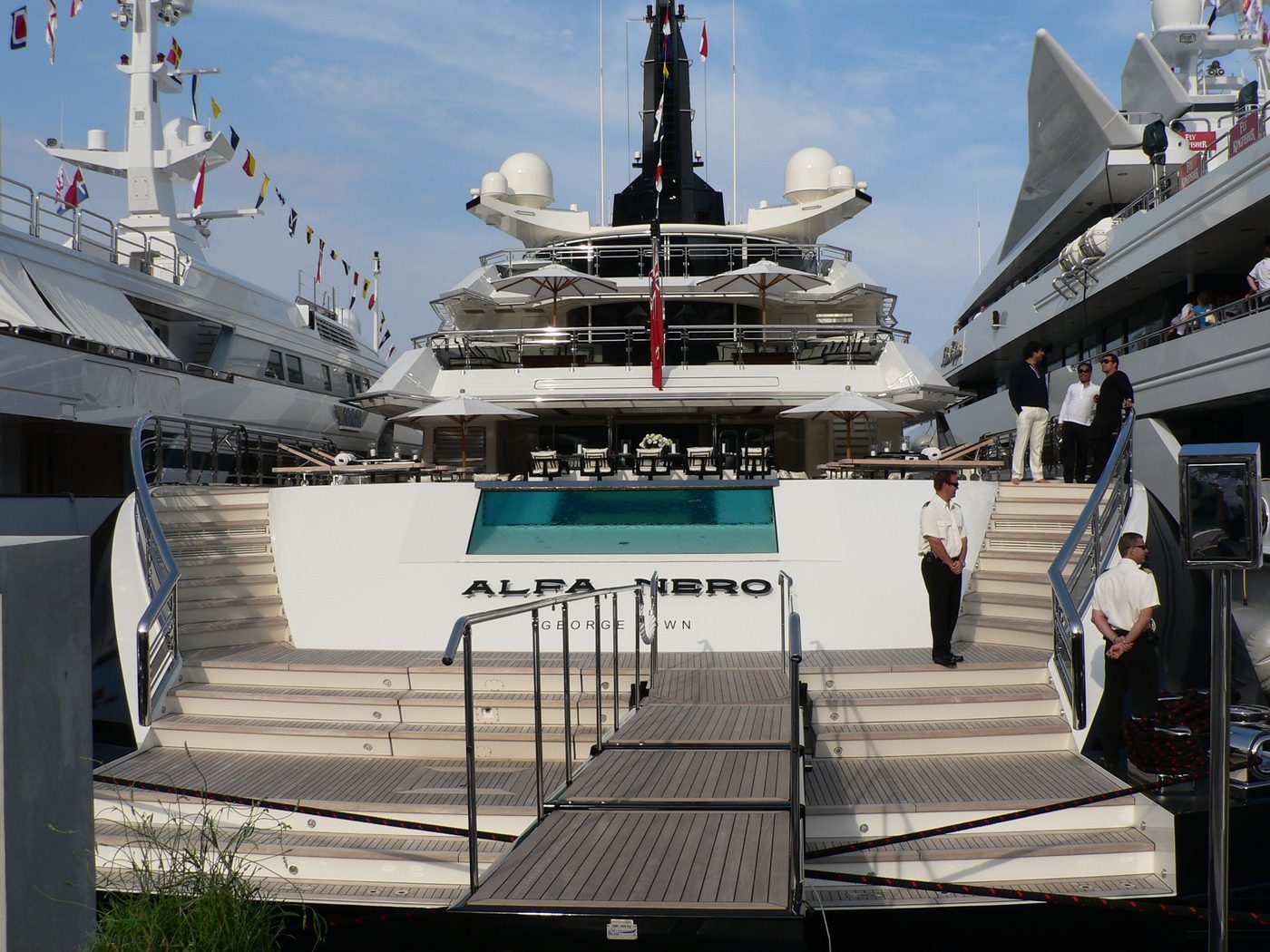
There is also the question the district cannot answer, only pose: what does new land cost? The engineering of reclamation, the environmental mitigation, the architecture, all of it represents an investment on a scale that only the ultra-prime market can repay. Mareterra's residences will sell, or have sold, at the prices Monaco commands. The public spaces are the dividend the principality extracts for granting the sea's replacement.
Two years after the inauguration, Mareterra reads as a statement of intent. Monaco will continue to grow, because it must; it will grow into the sea, because there is nowhere else; and it will insist, each time, that the new land belongs to everyone, even as the new addresses belong to the few. Six hectares, 3%, one more chapter in the country's long negotiation with its own borders.
None to date. The Chronicle corrects errors promptly and transparently. Read our corrections policy.